

Meer tools
Toepassingen



Black Friday. Stress, angst, opwinding. Het doet me een beetje aan theater denken.
Je werft je beste acteurs, stelt je cast samen, repeteert, perfectioneert de posities en bewegingen op het toneel en werkt de kostuums en make-up tot in de puntjes af. Al die voorbereiding voor een relatief korte periode die alles kan maken of breken.
Feit is: Black Friday, Cyber Monday, nagenoeg heel Q4: het is pure waanzin voor iedereen in de branche. En BFCM zal je absoluut voor verrassingen stellen waarop je voorbereid moet zijn.
Toch maken veel teams het zichzelf moeilijker dan nodig is. Je budget vliegt de deur uit aan lastminutesamenwerkingen. Je producten die je als geschenk verstuurt, verdwijnen in het niets en je hoort er nooit meer iets over. Je team werkt tot diep in de nacht om campagnes te beheren en prestatiegegevens van campagnes te verzamelen.
Wij noemen dit de Black Friday-chaosbelasting. Hoe chaotischer je campagnes tijdens BFCM zijn, hoe meer van deze belasting je uiteindelijk betaalt – op de een of andere manier.
Ik ondervroeg meer dan 50 influencemarketeers over hoe zij hun BFCM-campagnes beheerden, en ontdekte dat de Black Friday-chaosbelasting op zoveel manieren grote gevolgen heeft.
De Black Friday-chaosbelasting is de prijs die je betaalt wanneer de chaos je zicht vertroebelt. Het kan zich op verschillende manieren uiten, maar meestal sijpelt het weg uit je budget (of je vrije tijd).
Creators zijn voor BFCM al heel vroeg volgeboekt. Zelfs die bewezen creators met wie je een sterke relatie hebt, krijgen waarschijnlijk al maanden van tevoren aanbiedingen.
Door de enorme vraag naar influencers neemt hun beschikbaarheid af en stijgen hun prijzen. Dit betekent dat je, hoe later je hen boekt, niet alleen het risico loopt dat je best presterende influencers al volgeboekt zijn, maar mogelijk ook meer betaalt dan anders.
Sterker nog, bijna alle marketeers die we ondervroegen, zeiden dat ze de kans hadden gemist om de influencer die ze voor BFCM wilden boeken. De belangrijkste reden? Hun tarieven waren te hoog of vielen buiten hun budget.

Veel marketeers zeiden ook dat influencers vaak al exclusief aan een ander merk verbonden waren, of simpelweg geen ruimte meer hadden om dit seizoen nog een merk aan hun portfolio toe te voegen.
Hoe pak je dat aan? Leg je beste mensen zo snel mogelijk vast – en het helpt als je ze op retainerbasis kunt inhuren. Zo bespaar je budget tijdens BFCM en weet je zeker dat je creators voldoende worden betaald – een win-winsituatie.
Vorig jaar werkten influencermarketeers tijdens hun BFCM-campagnes gemiddeld 7,5 uur extra per week.
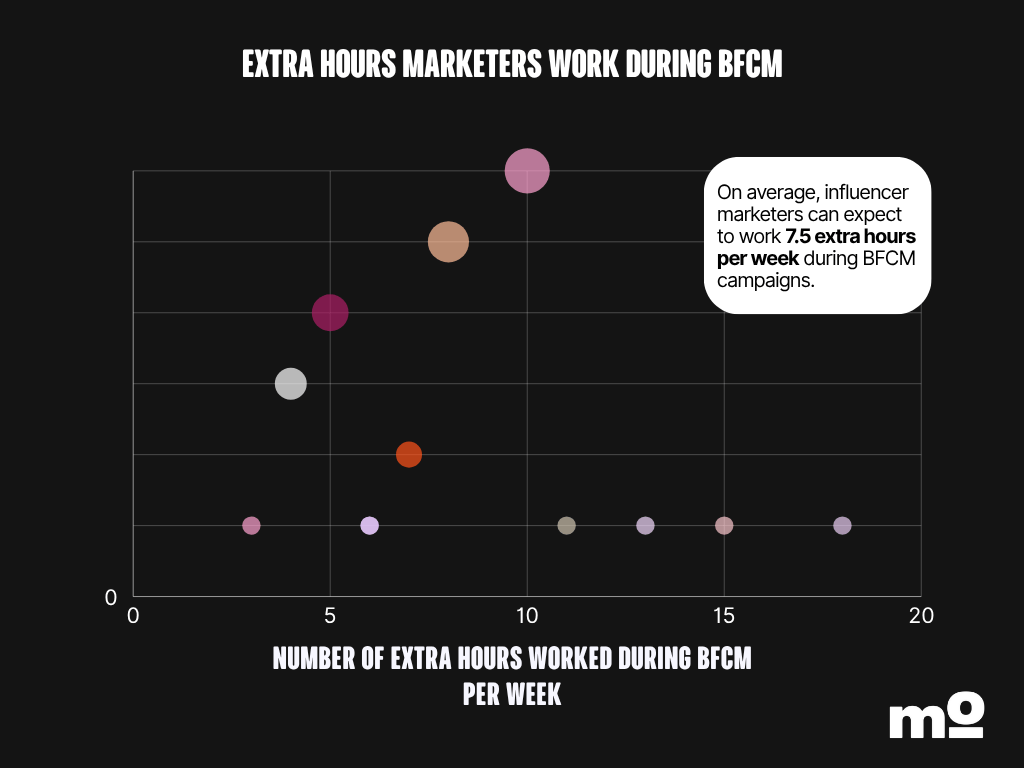
Die extra tijd ging vooral op aan het volgen van hun campagnes, het bijhouden van e-mails met influencers en het verzamelen van gegevens voor rapportages.
Voor sommigen betekende het op koers houden van campagnes dat ze elk uur de sociale media moesten controleren, voortdurend hun inbox moesten checken op updates en de onvermijdelijke brandjes moesten blussen.
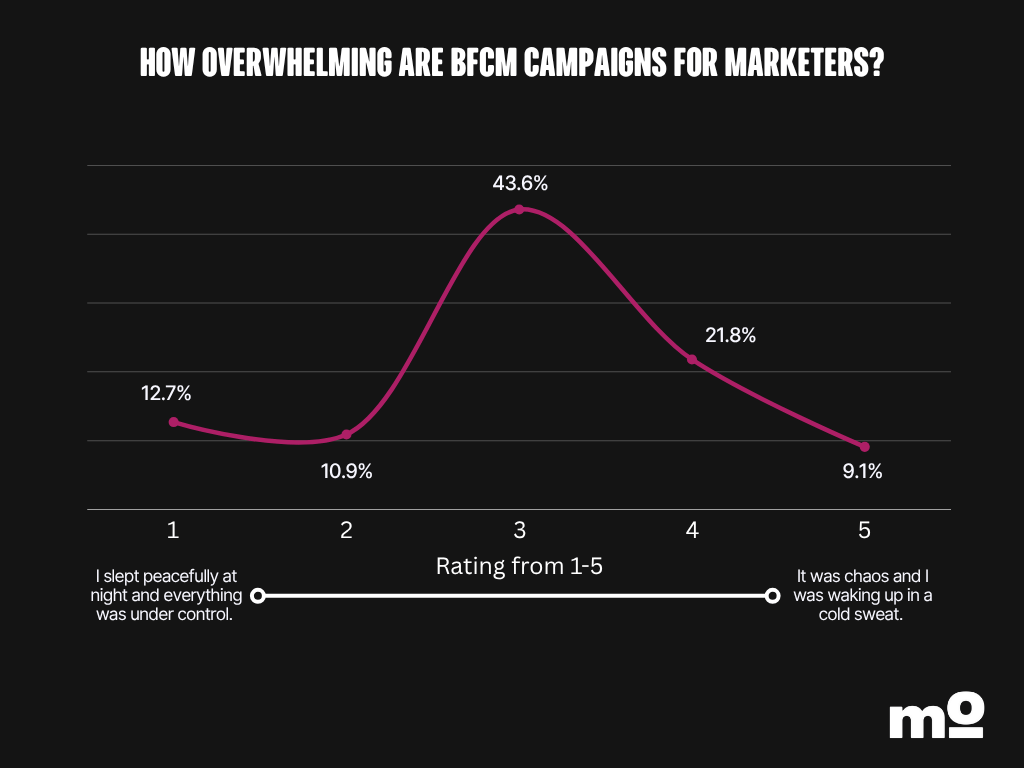
“Intens, hectisch, chaotisch, overweldigend en stressvol.” Zo beschreven de meeste marketeers hun BFCM-ervaring. De enorme druk om hun campagnes te laten slagen was de meest genoemde stressfactor tijdens BFCM: meer dan 71% van de marketeers noemde dit hun grootste bron van stress.
Ik vroeg marketeers zelfs om aan te geven hoe overweldigd ze zich voelden tijdens hun laatste BFCM-campagne, en slechts een kwart had het gevoel dat ze alles goed onder controle hadden.
Nog belangrijker: je onvoorbereid voelen of het gevoel hebben dat je voortdurend brandjes blust, brengt je in een reactieve in plaats van een strategische mindset. En als je alleen maar reageert, kun je je programma's gedurende de feestdagen niet bijsturen en je rendement niet maximaliseren.
Ik hoef niet uit te weiden over de gevolgen van stress. We kennen ze allemaal: we zien details over het hoofd, sturen het verkeerde product naar de verkeerde persoon en maken fouten.
Of je het nu merkt in je budget, je gezondheid of je privéleven (of het gebrek daaraan): de Black Friday-chaostaks heeft een reële impact op elk aspect van je team.
Dit is het probleem: je kunt deze taks niet volledig wegnemen.
Black Friday en chaos gaan hand in hand. Er zullen altijd ‘verrassingen’ zijn.
Dus wat doe je dan? Hoe kun je die chaos, en daarmee de belasting die ermee gepaard gaat, verminderen?
Als je een artikel opzoekt over hoe je je voorbereidt op Black Friday, vertellen ze je allemaal hetzelfde: begin vroeg.
Nou, ik ga iets revolutionairs doen. Want we zijn hier anders dan andere artikelen.
Klaar?
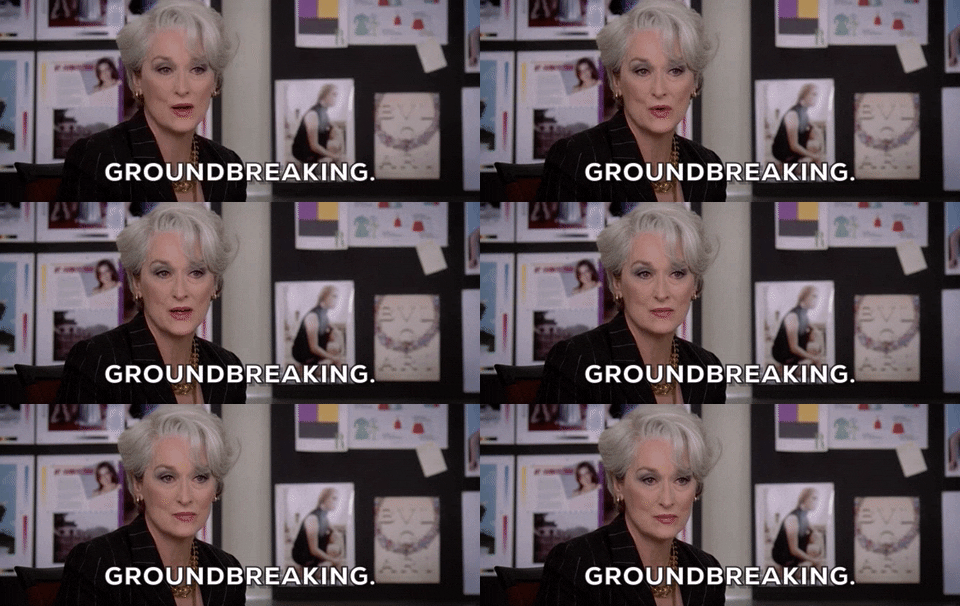
Je moet vroeg beginnen. Ik weet het. Baanbrekend.
Maar hoe vroeg je ook denkt dat ‘vroeg’ is, het is niet vroeg genoeg.
We vroegen onze marketeers om hun tijdlijnen met ons te delen. Gemiddeld kwam ik tot het volgende:
.png)
Het zit zo: hoe eerder je over BFCM begint na te denken, hoe minder je betaalt aan de Black Friday-chaostaks.
En daarmee is het tijd om een voorbereidingscampagne vóór BFCM te doen.
Je voert het hele jaar door campagnes uit. De zomer en vroege herfst zijn hét moment om zoveel mogelijk mensen kennis te laten maken met je producten.
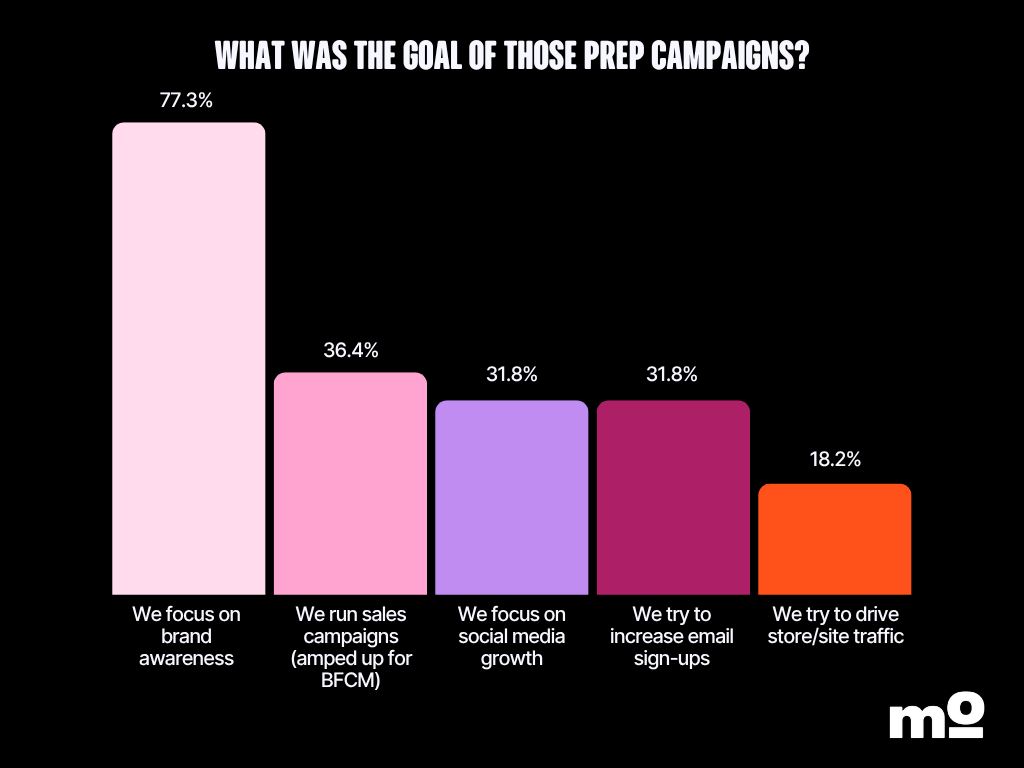
We vroegen marketeers of ze een voorbereidingscampagne doen in aanloop naar BFCM. Net geen 40% gaf aan deze in september te voeren, voornamelijk gericht op merkbekendheid.
Er zijn een paar dingen die we weten over hoe mensen winkelen voor BFCM:
Als we dus weten dat shoppers eerder beginnen en al een mentaal lijstje hebben van merken waarvan ze de kortingen in de gaten houden, is het echt belangrijk dat jouw merk op dat lijstje staat.
Een voorbereidende campagne vóór BFCM heeft tal van voordelen:
Maar als je dit gaat doen, moet je dit cruciale punt in gedachten houden:
Gebruik geen, en ik bedoel echt absoluut geen, feestdagen- of BFCM-taal, -beelden of zelfs maar de kleinste zweem van hulstblaadjes of dennenappels.
Shoppers worden razend wanneer ze vóór Halloween ook maar de naam Mariah Carey horen. Als je een campagne vóór BFCM gaat doen, noem die dan een campagne aan het einde van de zomer of een herfstcampagne. Anders loop je het risico dat je klanten al lang voordat ze kunnen shoppen, campagnemoe worden.
Volg het voorbeeld van Amazon: zij noemen het ‘Prime Day October’. De meeste andere retailers kiezen voor ‘Fall Sale’ of iets vergelijkbaars. Houd de feestdagenthema’s gewoon tot minstens november achter de hand.
Plan bewust flexibiliteit in je campagnes in. Er zullen dingen misgaan, posts zullen vreemd zijn en soms gaan ze helemaal niet live.
Maar met een degelijk plan kun je tijdens je campagne problemen gladstrijken en stress verminderen.
Zo vertelde een anonieme marketeer uit onze enquête dat je klaar moet zijn om met tegenslagen om te gaan. Blijkbaar plaatste een influencer tijdens de piekuren per ongeluk de korting van een ander merk bij de post van hun eigen merk. Dat zorgde niet alleen voor verwarring in de reacties, maar leidde bovendien tot enkele supporttickets.
Gelukkig merkte de marketeer het snel op, paste de influencer het bijschrift aan en konden ze een Story plaatsen om de zaak op te helderen. Een goed plan voorkomt niet alle chaos, maar je zult niet zo opgeslokt zijn door je eigen processen dat je de incidentele haperingen over het hoofd ziet.
Ik heb al eerder gezegd dat je bij influencer marketing moet denken als een investeerder.
Als je je volledige beperkte budget investeert in één soort content, één soort samenwerking, één soort influencer of, God verhoede, één influencer, is dat een enorm risico. Als het mislukt, heb je geen vangnet voor al je kwetsbare eieren in één mand.
Mijn advies?
Bedenk of productgifting zinvol is voor BFCM. Afhankelijk van je producten kan het een groot succes zijn, of het kan logischer zijn om in de maanden voorafgaand aan BFCM meer aan productgifting te doen dan tijdens de feestdagen zelf.
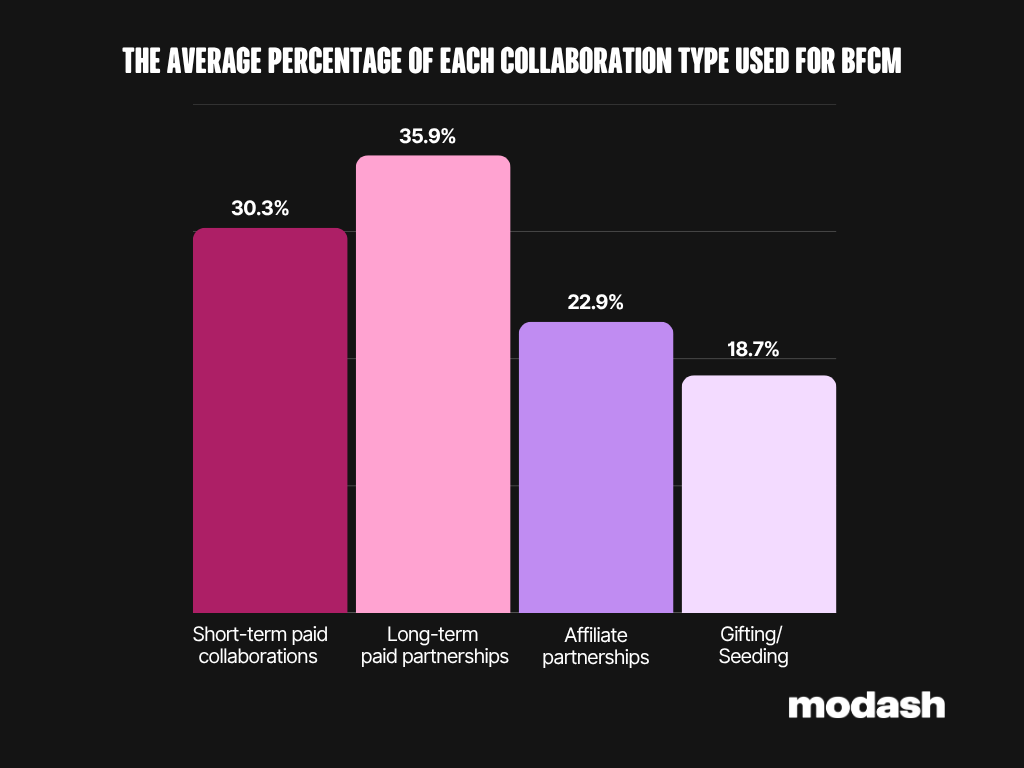
We vroegen marketeers welk percentage ze voor de feestperiode aan elk type samenwerking besteedden. Gemiddeld verdeelden ze het grootste deel van hun budgetten over kort- en langetermijnsamenwerkingen. Het volgende deel werd verdeeld over affiliate- en gifting-/seedingcampagnes.
Sterker nog, niemand gaf aan uitsluitend in één type samenwerking te investeren. Zelfs het absolute minimum werd verdeeld over minstens twee categorieën.
Nu we het toch over slim omgaan met je budget hebben: het is tijd om na te denken over wat je nodig hebt om BFCM dit jaar te managen.
Dat betekent dat je kritisch naar je team, je tools en je processen kijkt en probeert te visualiseren hoe je werklast eruit zal zien.
Stel jezelf eens een paar lastige vragen:
Die laatste is bijzonder belangrijk – want het allerlaatste wat je wilt doen op de maandag vóór BFCM, is nieuwe processen of nieuwe software implementeren.
Luister – spreadsheets zijn geweldig. Ik heb persoonlijk op elk willekeurig moment minstens 5 spreadsheets open.
Maar dat is niet schaalbaar. En de allerbeste manier om je BFCM-chaostaks te verlagen, is door te investeren in tools die veel handmatig, minutieus werk uit handen nemen. Je hebt belangrijkere dingen om je zorgen over te maken dan het bijwerken van spreadsheets.
Hier komt Modash om de hoek kijken – en je wist dat dit eraan zat te komen.
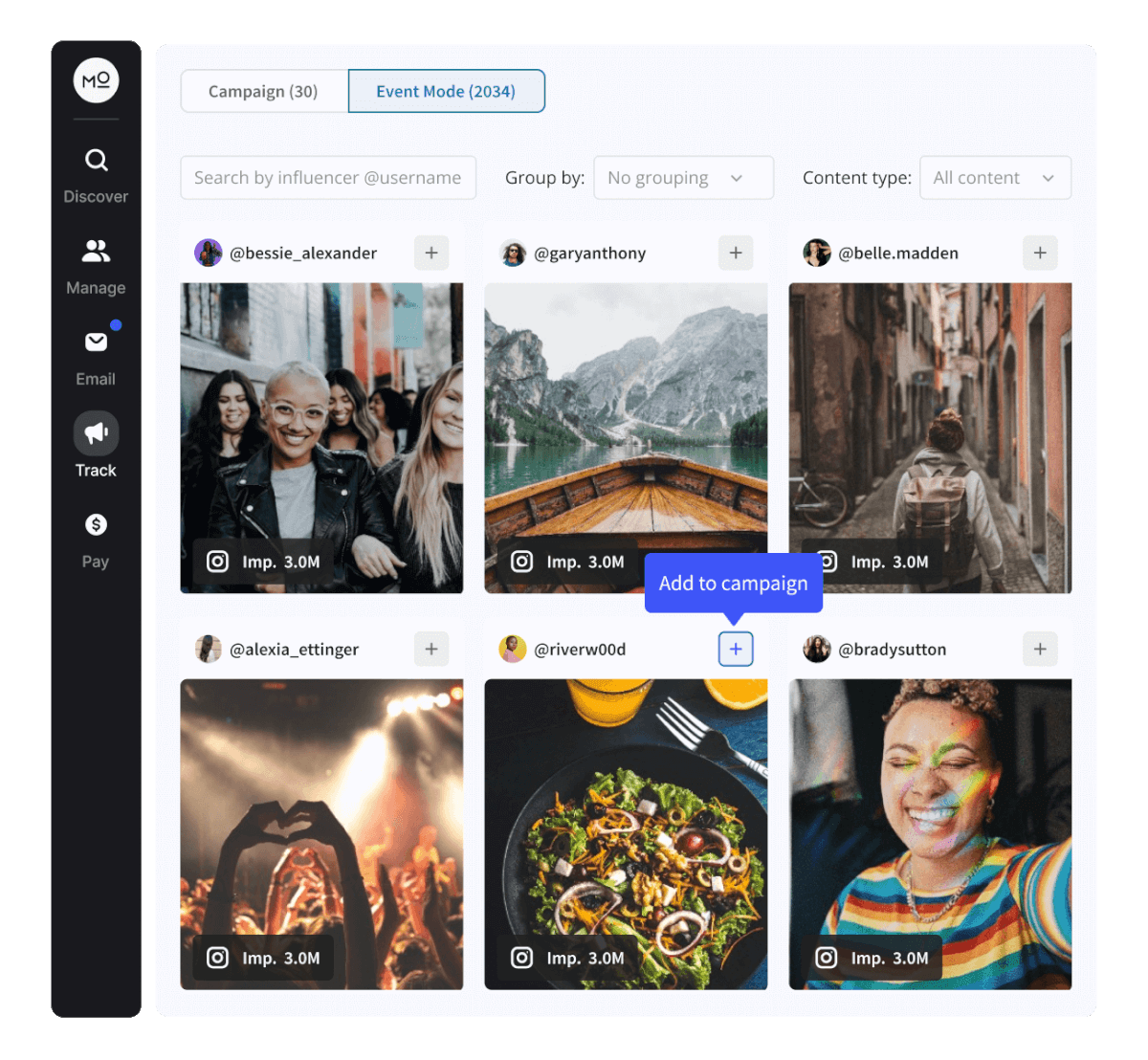
Feit is dat Modash je huidige team in staat stelt om:
Maar geloof me niet zomaar – en wacht niet. Probeer Modash vandaag nog uit en ontdek of het jouw superheld wordt die de chaostaks van Black Friday vermindert. Je kunt het zelfs 14 dagen gratis proberen!