Funktionen
Integrations






Anwendungsfälle
Funktionen
Integrations
Anwendungsfälle



You want to protect your affiliate program from fraudulent activity. But, at the same time, you don’t want to stifle all those legit creators who are doing a fantastic job promoting your brand and product.
Tricky one, huh?
Fortunately, I’ve got some good news: you don't need enterprise-grade fraud detection to protect a mid-size affiliate program. All you need is the right setup and visibility. I’ll explain exactly how to achieve that in this article, with more than a little help from two bona fide affiliate marketing experts:
This issue occurs when an affiliate’s unique discount code ends up on third-party coupon sites – either because the website scraped it using bots, or because someone leaked it to them.
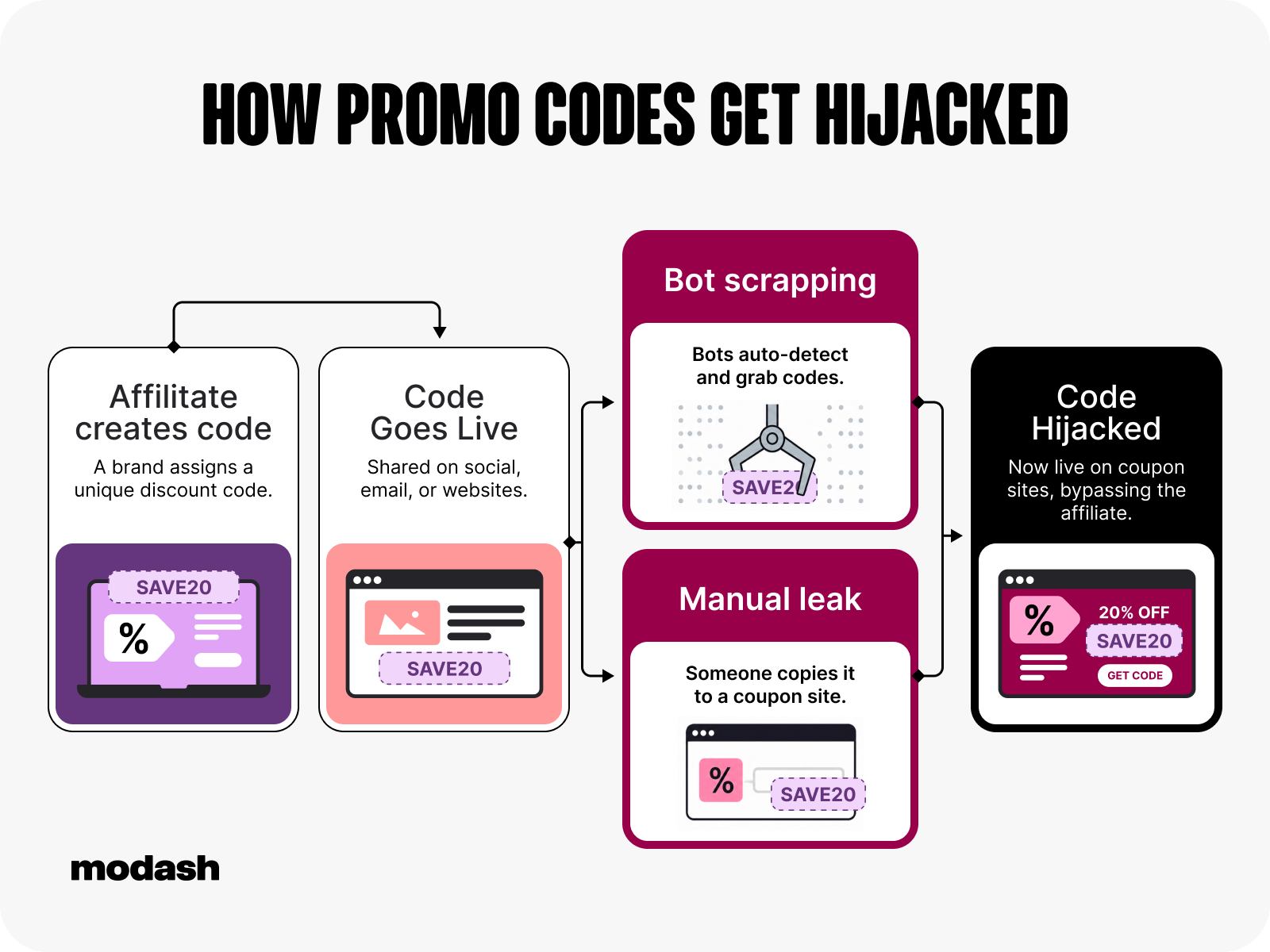
Sometimes, the person doing the leaking is the affiliate themselves.
Melissa says code hijacking is the “most common form of affiliate abuse”, especially during busy periods like Black Friday where creators might think they’re more likely to get away with it. Robert adds that the team at Deeper have seen “a few” examples of “very aggressive” hijacking.
The creator would go to every market-related forum/group/chat and start spamming his code or link every time he had a chance.

Fortunately, though, Melissa says this particular issue generally isn’t too difficult to identify.
Code hijacking can be pretty obvious when it’s happening as the sales don’t match with the quality of content pieces posted.

While Melissa says coupon and promo code hijacking is the most common type of affiliate abuse, Robert insists it’s actually click fraud and bot traffic – AKA when affiliate scammers use automated bots to inflate their performance and commissions by simulating “human” clicks and conversions.

Again, the good news is that while this spammy tactic crops up a lot, Robert says it’s usually easy to spot.
Bot traffic is often from very unrelated countries, such as the creator having an 85% German audience, while the traffic comes from Vietnam, Australia, Latvia, etc.
One important thing to note: Melissa points out that click fraud isn’t always deliberate.
The affiliate platform we use shows how many clicks are from bots, but this can happen because a piece of content went viral and received bot clicks rather than the creator intentionally being fraudulent.
In other words, you shouldn’t instantly kick a creator out of your program if they start sending bot traffic your way – but you’ll definitely want to investigate further to understand what’s going on.
Return abuse is when an affiliate drives a (seemingly) legit sale, only for the purchase to be canceled or returned after the commission has been paid. Boooooo.
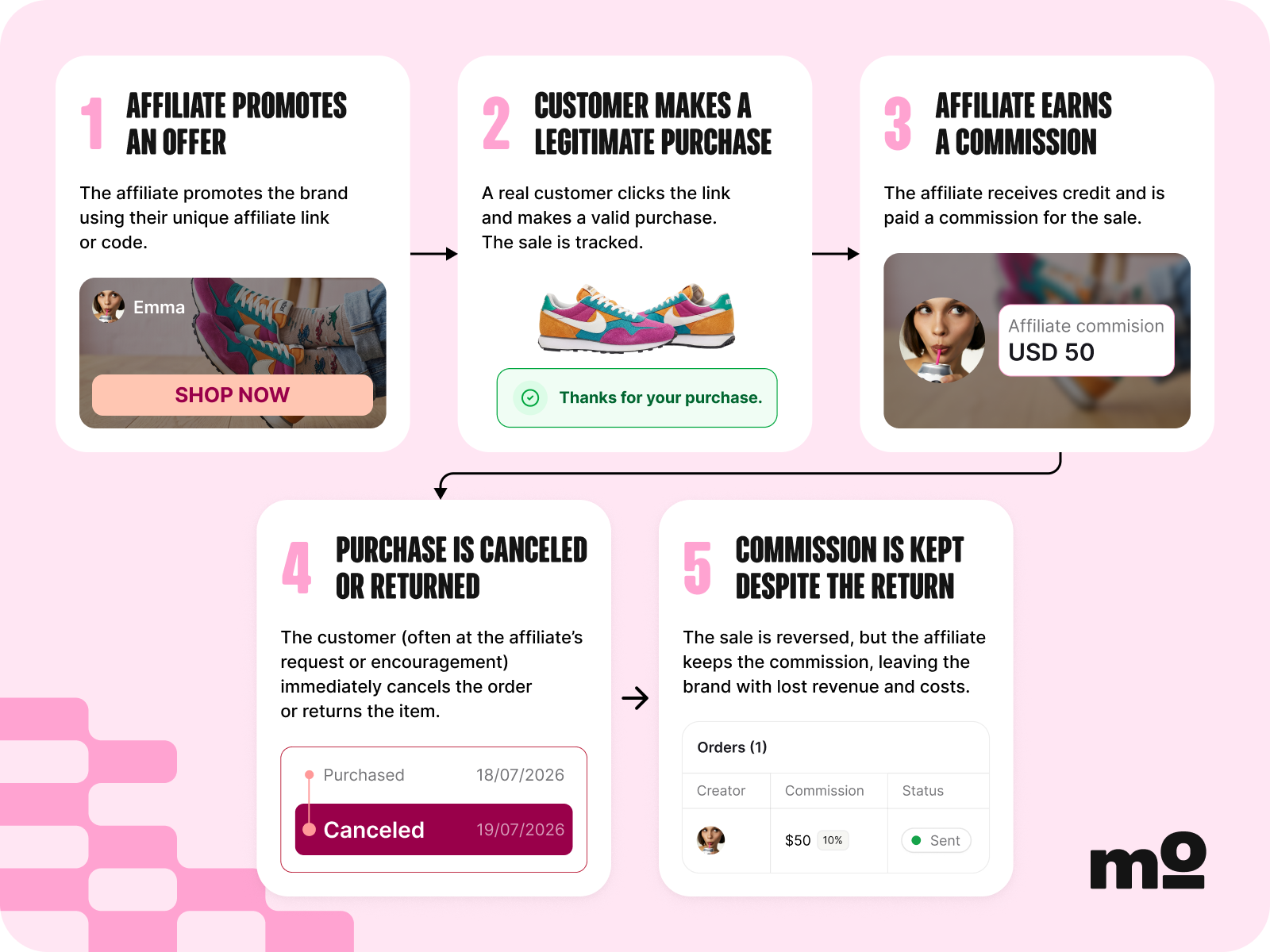
Robert says he’s seen some attempts at return abuse. But they’re usually quick and easy to solve because Deeper’s return policy and payout window mean the return happens before the commission payment gets sent. So it simply became “too much hassle” for would-be fraudsters to try and make the timings work.
With cookie stuffing, dastardly affiliates use methods like hidden iframes and “pop-unders” to plant their tracking cookie on a shopper’s browser unnoticed, allowing them to falsely take credit for sales they actually had nothing to do with.
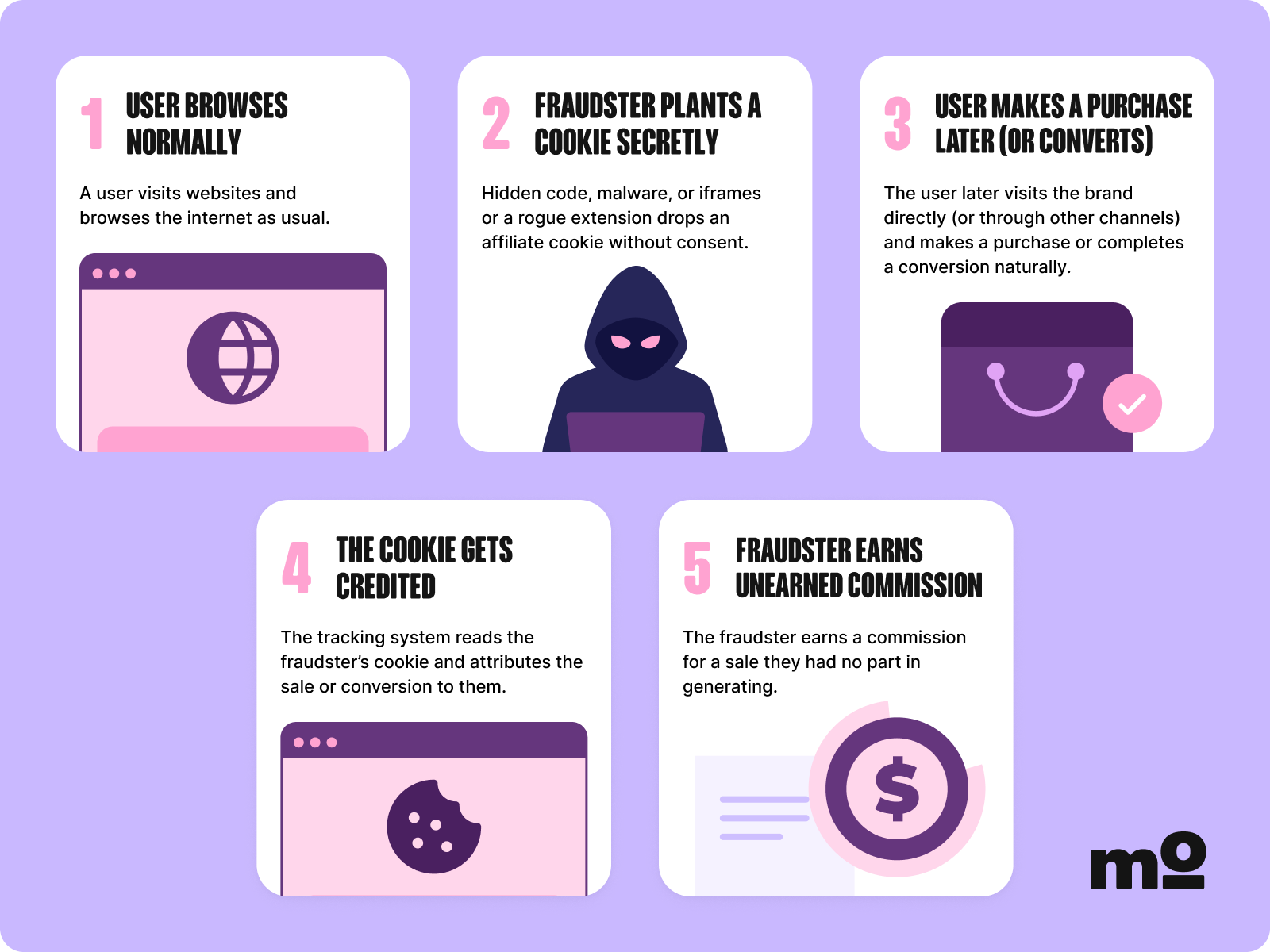
Melissa says she encountered a suspected example of this recently:
The affiliate appeared to be driving a lot of commission and traffic – but there was no content to match, and their social media profiles were very low-quality.
This gets to the heart of the matter: cookie stuffing, like any form of affiliate abuse, is annoying. But with a little investigation, you can spot it and stamp it out 🚫
The first step to preventing affiliate abuse is to give yourself the best possible chance of hiring affiliates who are 💯legit. How? By rigorously vetting their audience and content before inviting them to join your program.
First up, audience vetting. There’s no real way to do this manually (AKA without help from dedicated software), but there are plenty of free tools that will do some of the work for you.
For example, Modash’s free fake follower checker for Instagram gives you a creator’s fake follower percentage – bear in mind anything around 25% is totally healthy – as well as limited data on:
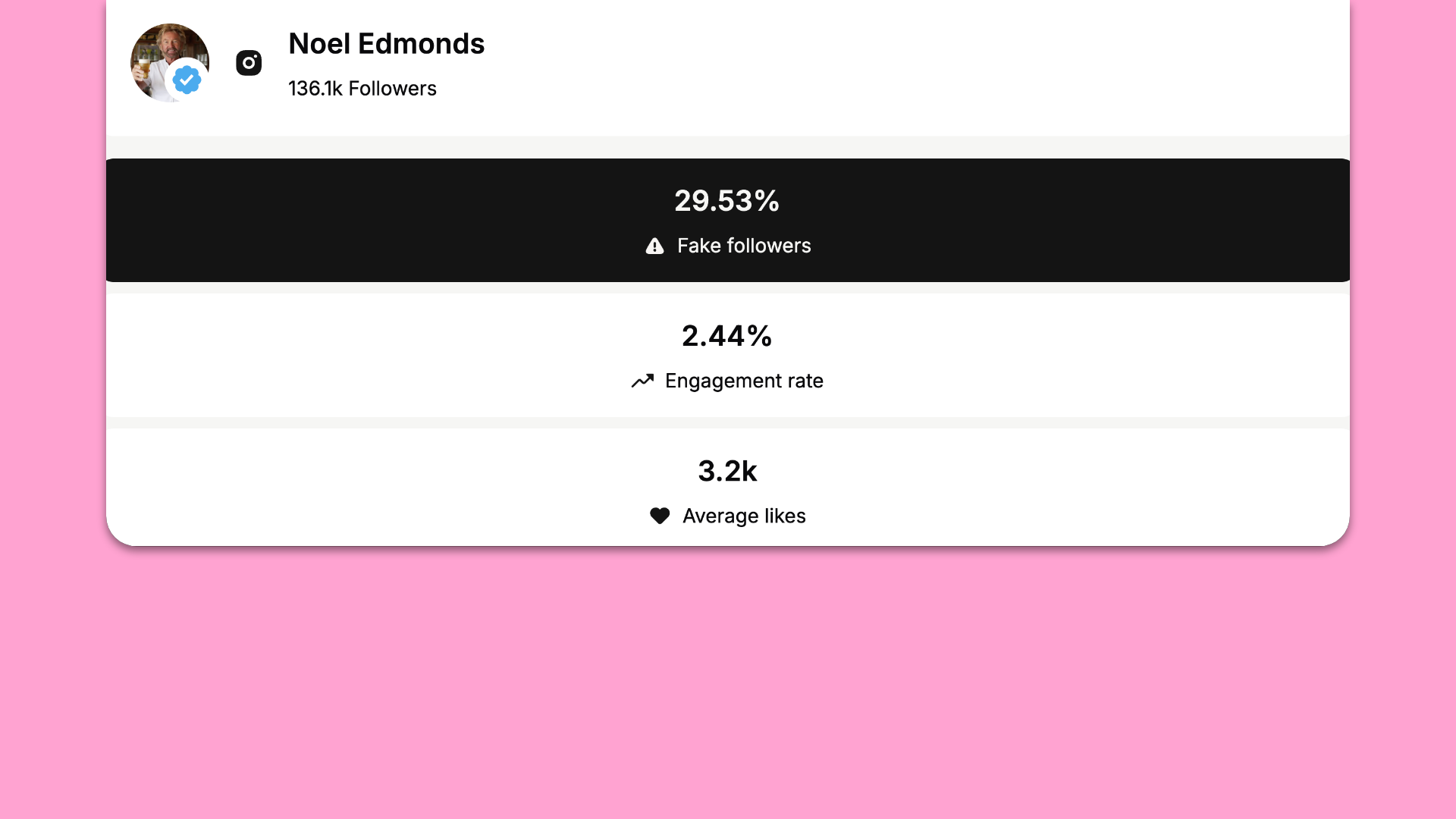
That’ll get you some of the way, but you’ll still want to spend some time checking out their social profiles to make sure their content is up to scratch. Is it super spammy? Is every other post sponsored? And does their style and tone align with your brand?
All of which takes a bunch of time. It’s fine if you’re only working with a handful of creators, but if you’re looking to scale your affiliate program, you need a more efficient solution.
That’s where dedicated creator marketing platforms like Modash come in.
With Modash, you can access detailed audience metrics for any account on Instagram, TikTok, or YouTube with 1,000+ followers.
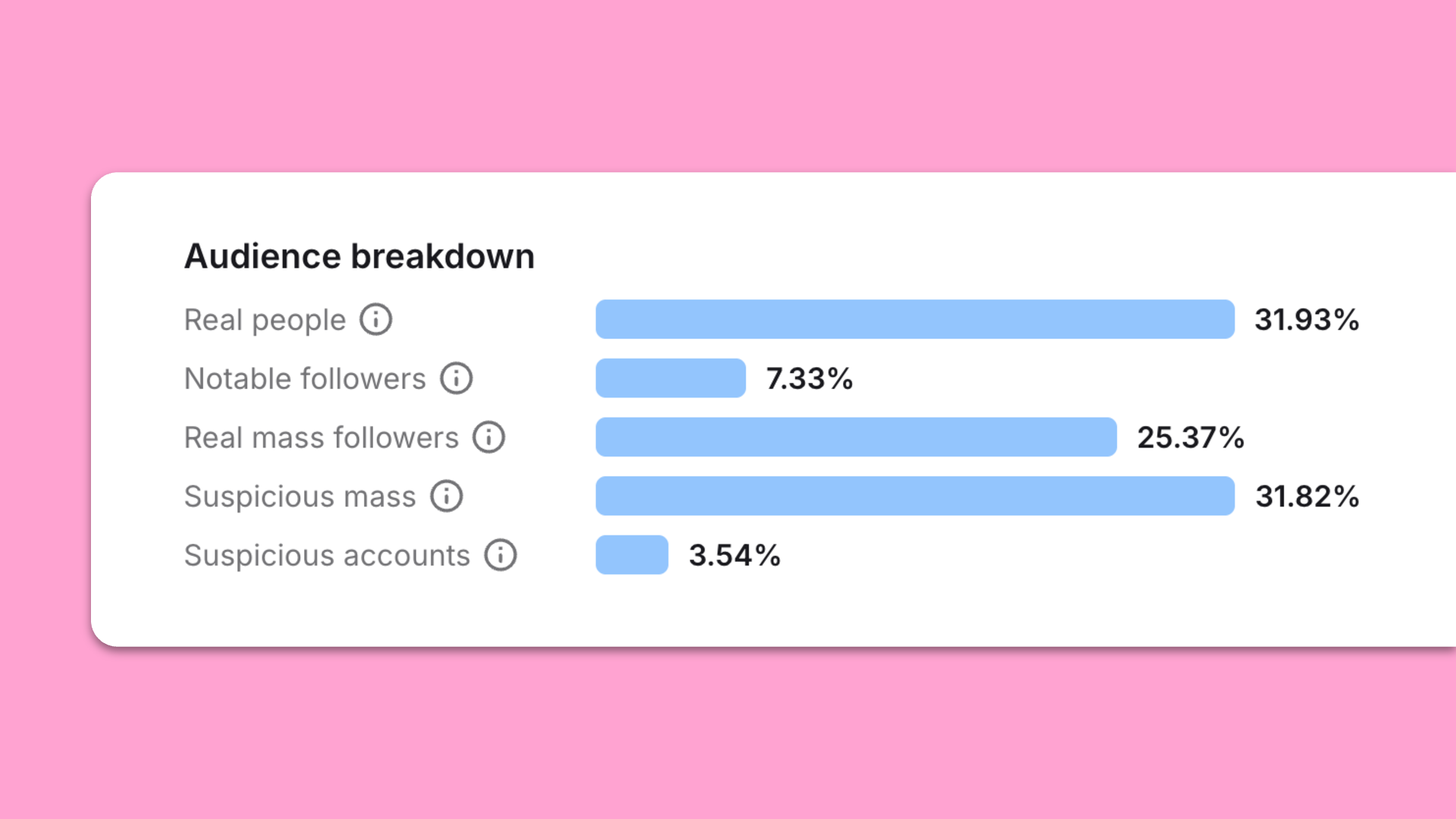
Open a creator’s profile to see a ton of data on their audience, including gender, age, location, language, and interests.
Plus you’ll find platform and content-specific engagement metrics. So for Insta, you’re not just working with their overall engagement rate, but also average Reel plays and estimated reach for Stories.
And Modash also shows you the creator’s most popular posts and latest collabs. Because dodgy affiliates don’t make good content – if they did, they wouldn’t need to rely on fraudulent activity to make money.
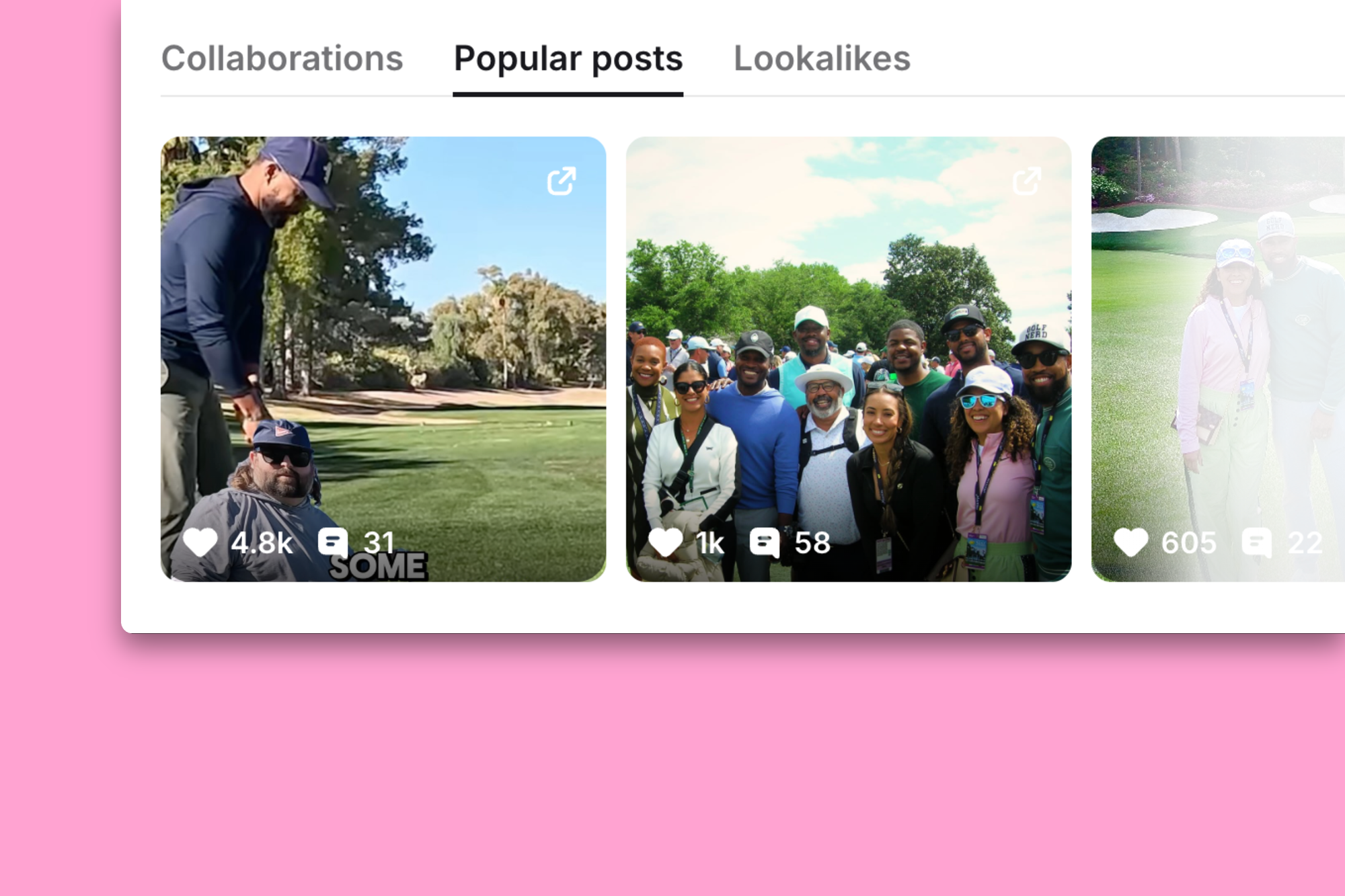
Sure, it’s technically “cheaper” to rely on a suite of free tools plus your own intuition to vet affiliates, but once you scale to 10+ creators, the opportunity cost of a paid platform will be a whole lot more affordable.
👉 Try our affiliate vetting tools yourself when you create your free Modash account!
One last point on this from Melissa: research which platforms the affiliate uses.
For example, you can easily drain commission when links are placed in coupon and deal groups, as a lot of people click with no intention to buy.
She says this is especially true in Instagram broadcast channels because you can’t really include images of the product, which “massively reduces” a link’s potential conversion rate.
Remember: not all “fraudulent activity” will be deliberate. Some of your affiliate partners simply might not know that they’re doing something against the rules, like sharing their promo code on public forums.
It’s up to you to make sure every creator in your program is totally clear on your terms for coupon usage and how you attribute sales. The obvious solution is to make it a key part of your affiliate onboarding process – that way, all new affiliates should know what’s expected.]
For example, Melissa recommends insisting that affiliates always clearly show the product when sharing links, as well as ideally mentioning the store and providing a brief product description.
Driving people to links with vague descriptions massively reduces the conversion rate and drains commission. Being upfront with what you’re linking to is a key guideline to combat this.
One of the most effective ways to protect your program against affiliate abuse is to build in a “hold period” whereby you retain a creator’s earned commissions for a set period – typically around 30 days – until your window for refunds has passed.
That way, you’ll never pay out for a sale, only to discover it got returned the day after the commission hit the affiliate’s bank account 🤦♀️
Robert says that using this approach has helped Deeper to largely stamp out return abuse.
Our return policy is 30 days from delivery. Considering it also takes around a month to receive commission payouts, it’s usually no longer feasible for affiliates to try and make fraudulent returns.
As an added bonus, hold periods also help your affiliates accrue larger balances, so you can pay them all in one go rather than making dozens of micro-transactions.
🤓 Further reading: Learn more about payout timings, hold periods, thresholds, and more in How to Pay Affiliates: Methods, Tools, and Best Practices.
Top-performing affiliates often have impressively high conversion rates – after all, their audience is a perfect match for your brand, their followers trust them, and they make great content that accurately and persuasively promotes your product.
That’s not a crime – that's the whole point of affiliate marketing.
However, if an affiliate is converting at a massively higher rate than your program average, it’s worth taking a look to see what’s going on.
Modash is your best friend here because we track link clicks vs discount code redemptions per creator.
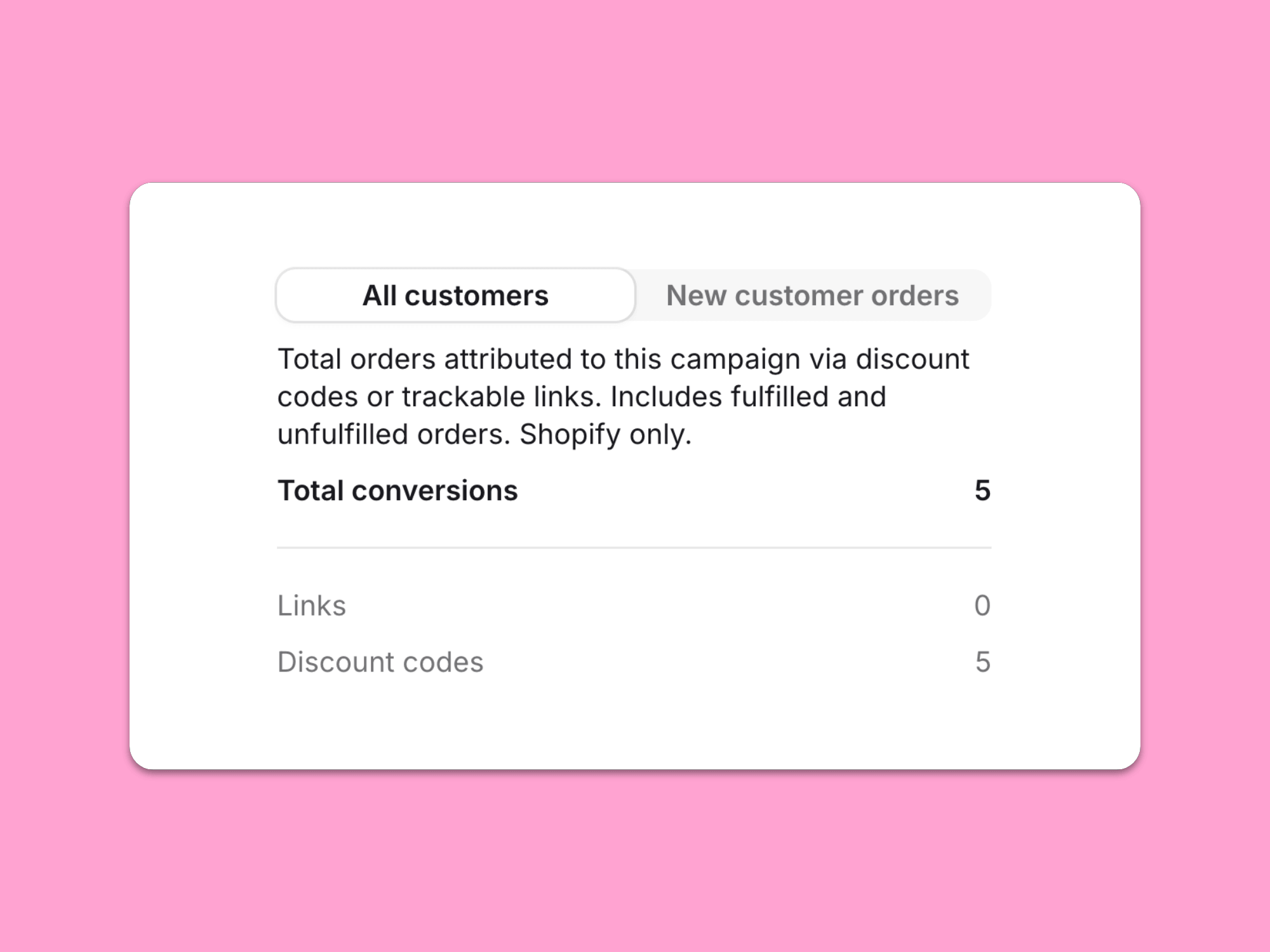
A suspicious conversion rate reads very differently once you split it by source; code-driven sales with almost no link clicks could be a sign of hijacking or cookie stuffing.
Similar to looking out for affiliates with insanely high conversion rates, you’ll want to look out for anomalies in traffic-to-click ratios.
On a simple level, if a creator is generating more sales than clicks, there’s obviously something going on. Maybe it’s a tracking issue. Or perhaps the affiliate in question is up to no good.
As such, Melissa says these anomalies are pretty simple to detect:
You can crosscheck the number of content pieces with the commission. If there’s no content to display, but a lot of order value generated, then you can assume there’s been some fraudulent activity.
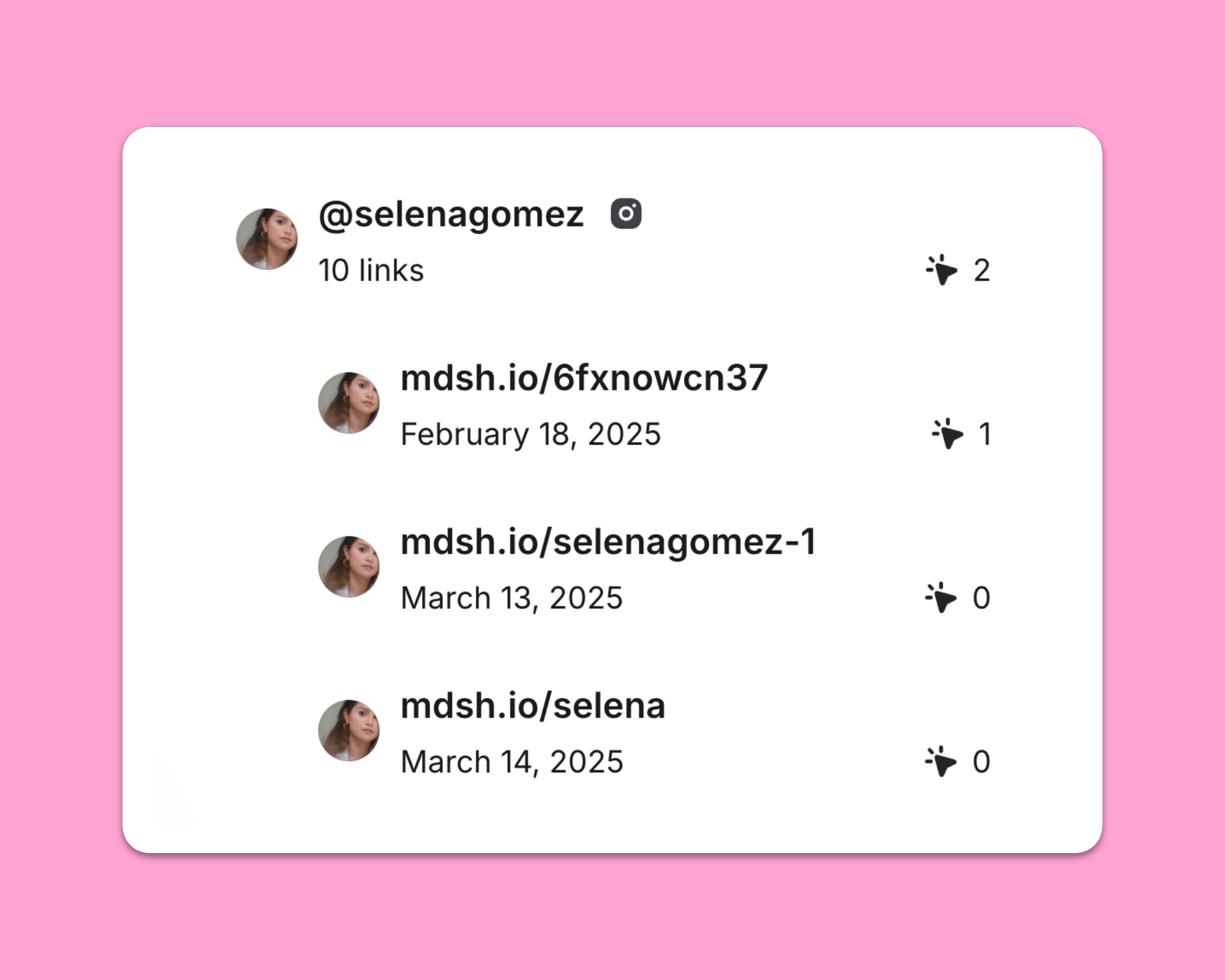
BTW, with Modash, you can see exactly how many clicks a creator has generated and when they happened, which makes it a whole lot easier to compare traffic volumes against sales.
If the same customer is using different discount codes across multiple transactions, it’s a safe bet that not all those purchases were motivated by affiliates. Unless they just happen to follow a bunch of creators who are all part of your affiliate program, which seems like a weird coincidence.
More likely, they found those codes somewhere else, which is an indication they were leaked beyond the intended audience – such as being published on coupon sites or deal forums. Or it could be a sign of affiliate collusion, whereby 2+ creators distribute each other’s codes.
Either way, if this is a recurring issue for your brand, you can mitigate it to some extent by regularly sharing new discount codes with your creator partners.
For a lot of brands, affiliate marketing is primarily a new customer acquisition channel. Indeed, some programs only pay commissions for sales to new customers, or offer lower commission rates on existing customer sales.
Let’s assume your program rewards creators for selling to both new and existing customers. In that case, if an affiliate is driving waaaay more returning customer sales, they may be targeting people who are already committed to buying.
Which, in turn, could suggest that their promo code has ended up on a coupon site.
🤓 Pro tip: Don’t fancy manually calculating each affiliate’s ratio of new to returning customers? I don’t blame you. Save yourself the time with Modash, which syncs with Shopify to automatically distinguish first sales vs repeat sales. In effect, this data tells you each affiliate’s new-vs-returning mix, so an affiliate skewed heavily toward returning buyers becomes visible instead of a hunch.
Another way to detect potential affiliate abuse is to look for discrepancies in what a creator was promoting vs what converted.
They posted about men’s socks but earned all their commissions on woodwind instruments? What gives? (And also, what kinda store are you running??)
Similarly, if you suspect an affiliate is doing something nefarious, it’s worth looking at their live content to see if it sucks. Lazy, low-effort, AI-sloppy posts don’t tend to drive sales – so if that’s all they’re sharing, there’s something kinda sus going on.
Modash can help here. Our tracking tool automatically collects every piece of campaign content your affiliates post, so you don’t have to go find it yourself.
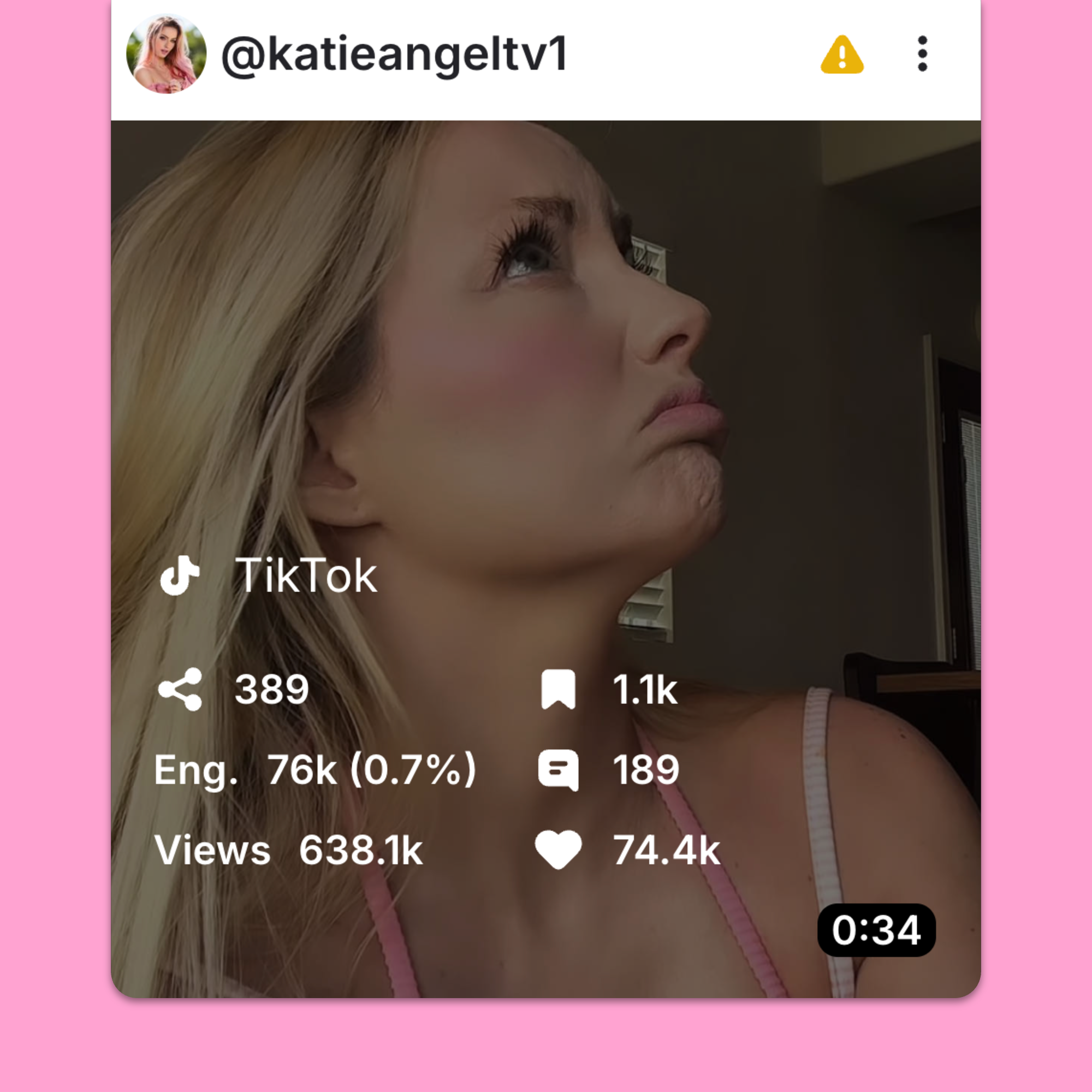
You can also mouse-over each content piece to get a quick view of performance, which helps you identify affiliates who are seeing low reach and engagement but are somehow still generating lots of sales 🤷♀️
Affiliate abuse can happen at any time. But the threat is particularly high in the run-up to payout dates as fraudsters look to fly under the radar with a bunch of last-minute sales.
To be clear, as with all the possible signs of abuse in this list, a spike in activity around payment periods isn’t conclusive proof of abuse. There are lots of other potential explanations – maybe you were running a sale or launched a new product at the time? Or perhaps your payout period is at a point in the month when lots of other people have money to burn?
The key here isn’t just to look for high activity around payout periods; it’s to be wary of affiliates generating a significantly above-average volume of sales during these times.
🤓 Pro tip: Your best defence against this type of affiliate abuse is to delay paying commissions – say, for 30 days – so you can be sure all those commissionable orders are legit.
Returns and chargebacks are an unavoidable part of ecommerce. But there’s no reason why your affiliate program – or specific affiliates – should be seeing higher rates than the rest of your store. If a creator is seeing significantly higher-than-average numbers for chargebacks or returns, it could be because they’re trying to earn commissions through fraudulent sales.
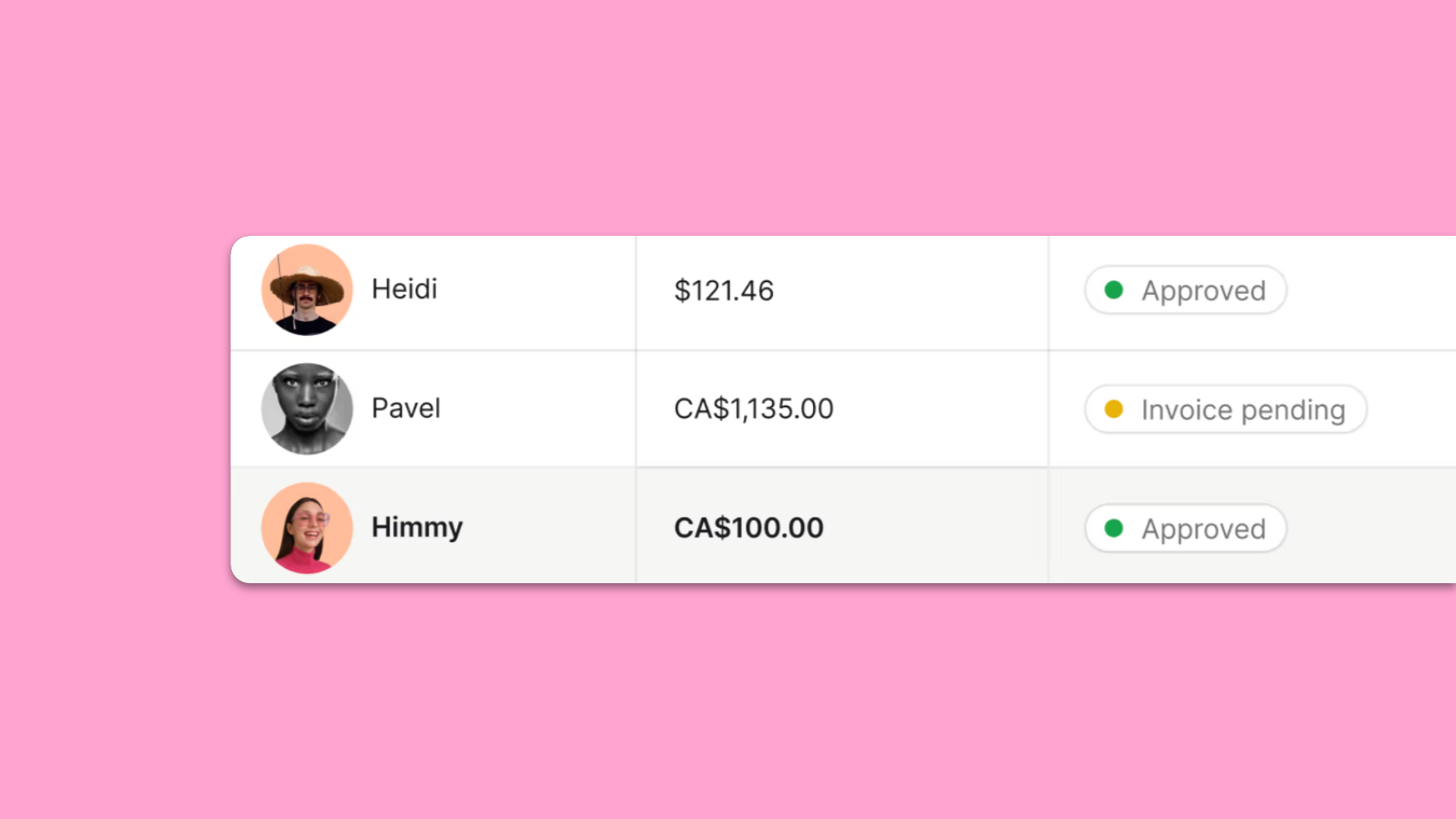
Your affiliate software can help protect you against this type of affiliate abuse. For example, with Modash Pay, affiliate earnings remain “pending” while your return window is open – then if an order is refunded during that period, the commission is automatically cancelled or reduced.
Look back over your affiliate sales. If you’re seeing multiple commissions linked to the same…
…then it could suggest that an affiliate is creating fraudulent accounts to earn commissions from self-referrals. Or maybe lots of people just live in the same apartment and they all love your products?
To be clear, self-referrals aren’t necessarily a problem. Some brands are happy for affiliates to earn commissions on personal orders; others aren’t. Variety is the spice of life, eh? So your best bet here is to decide your own stance and communicate it to your affiliates – if you’re fine with self-referrals, there’s no need for any underhand tactics.
Given the growing focus on consumer privacy, it’s getting harder for brands to track traffic sources accurately. Still, if an affiliate is sending large volumes of “direct” or unknown traffic your way, it could be because they’re trying to mask forbidden promo methods. Naughty, naughty.
This issue rarely requires immediate action. More likely, you’ll want to monitor over time to see whether an affiliate keeps sending you undefined traffic month after month. If so, the simplest solution is to just ask them what’s going on. If they can’t explain and it keeps happening, it might be time to show them the door 👋
It’s not unusual for different types of creators to have substantially different average order values. You’d expect an affiliate offering money-saving advice to cash-strapped parents to see lower AOVs than a tech reviewer promoting a new set of headphones – even though both could be working with the same brand.
That said, if you’ve got an affiliate who consistently registers average order values that are much higher or lower than your store average, they’re worth investigating further.
They could be buying lots of high-value items themselves with an eye on returning them once they’ve got hold of the commission. Or perhaps they’re placing a ton of small orders to maximize commissions (a particular threat for brands paying a fixed cash amount per conversion).
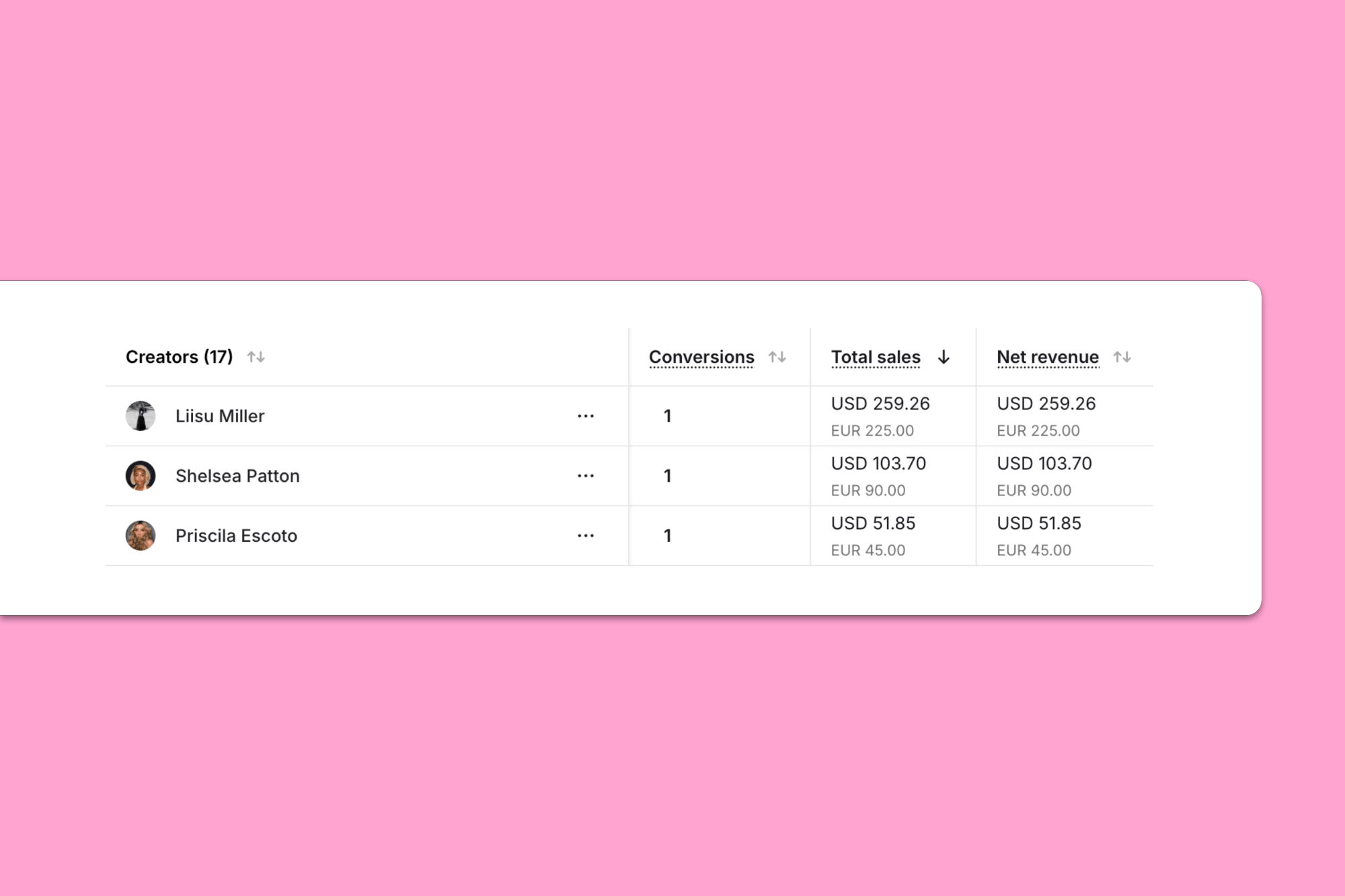
🤓 Pro tip: If your store is on Shopify, Modash helps with this by tracking net revenue and order volume per creator. Because our revenue figure is net of returns, an affiliate inflating orders and then returning them shows up as a gap between gross activity and net revenue.
Sometimes, good months just happen. But if an affiliate’s sales are strangely high compared to the amount/quality of content they’ve shared for 2-3+ months in a row, this looks more like a trend than a coincidence. As such, Robert recommends trying to track down the original piece of content that caused a spike in sales.
If you see that within the same week a piece of content was released by the creator – or even better, if you see it performed really well – then chances are they’re not being sketchy, they just got lucky.
Both Melissa and Robert say there shouldn’t be a blanket rule for kicking out affiliates after suspected abuse. It all depends on what, exactly, you’ve seen.
For Robert, cases of click fraud and code hijacking are often at least somewhat innocent and can be stamped out by simply speaking to the creator in question. Whereas if it’s a sales-related fraud, he’d likely remove them immediately.
On the flip side, Melissa says she wouldn’t instantly block an affiliate, but she would keep a “really close eye” on their activity – what content pieces they’re sharing, where the clicks and commission are coming from – and act fast if she saw clear evidence of fraud.
While most affiliate marketers don’t enjoy situations like this, Robert says it gets a lot easier to handle if you’ve collected the data to back up your suspicions.
Consistent refunds within 14 days of purchase is a trend; appearance of codes everywhere is a trend. So it’s mostly a question of how well the manager is prepared for the discussion.
Melissa adds that if you’re “fairly certain” about affiliate abuse, you can suspend the creator’s account to give them chance to stop.
Communication-wise, you should be firm and reiterate any guidelines without being accusatory.
In a word, yes: coupon abuse can still happen with unique codes if the code lands on a website or in a social community used by masses of people. In this instance, Melissa says it’s important to look for anomalies by crosschecking the content output with the orders driven.
Unsere Expertenautoren