












The easiest way to solve most BFCM challenges is to start earlier. But many times – especially if you’re a small team – that’s just not possible. You’re strapped for time, have to seek approval for resources, and have a million tasks outside of Black Friday running simultaneously.
September is here and you’re beginning to form your BFCM strategy. Yes, it’s late. But you can still succeed by steering clear of the most common challenges. Here are the seven most common hurdles you’re likely to encounter (according to our latest survey) and how to prepare for them.
Influencers have their plates and calendars full during BFCM.
Michael Todner agrees:
Influencers seem to be booked further and further in advance, usually on a retainer style basis with deliverables for Black Friday. That or the rates are just too inflated.

The numbers back it up, too: in our survey, 92.6% of marketers said they couldn’t book an influencer during BFCM despite really wanting to. Almost all marketers cited the reasons we discussed above.
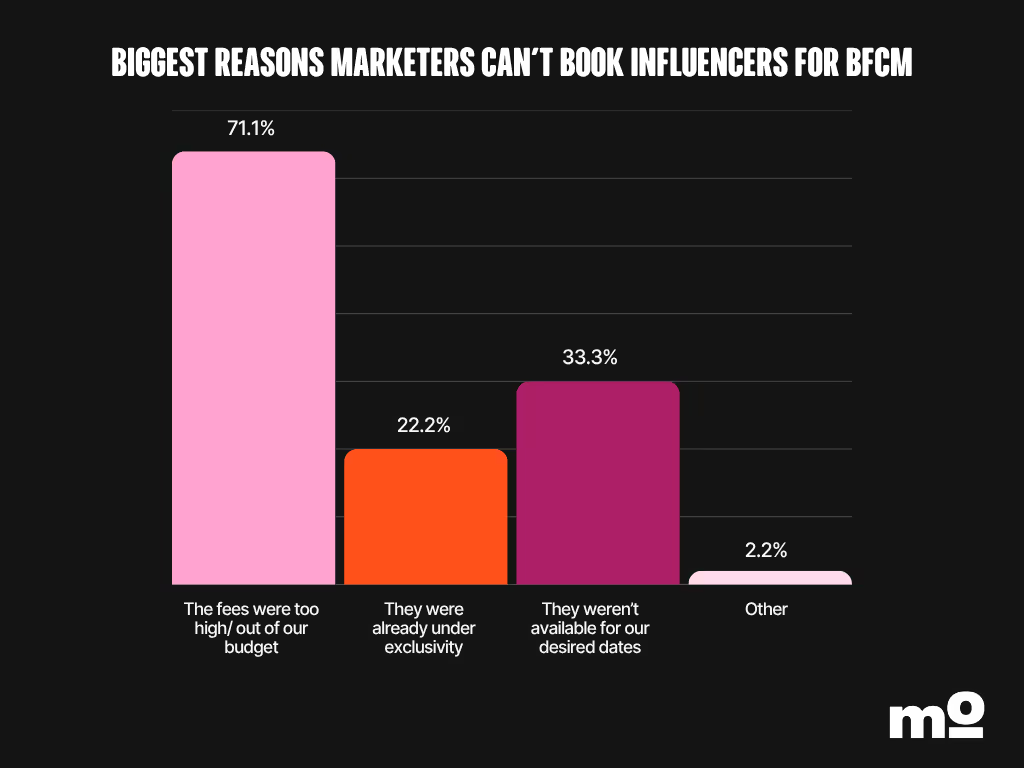
You can approach this challenge in three ways:

Feeling pressure for BFCM campaigns to do well is the top stressor marketers face, according to our survey.
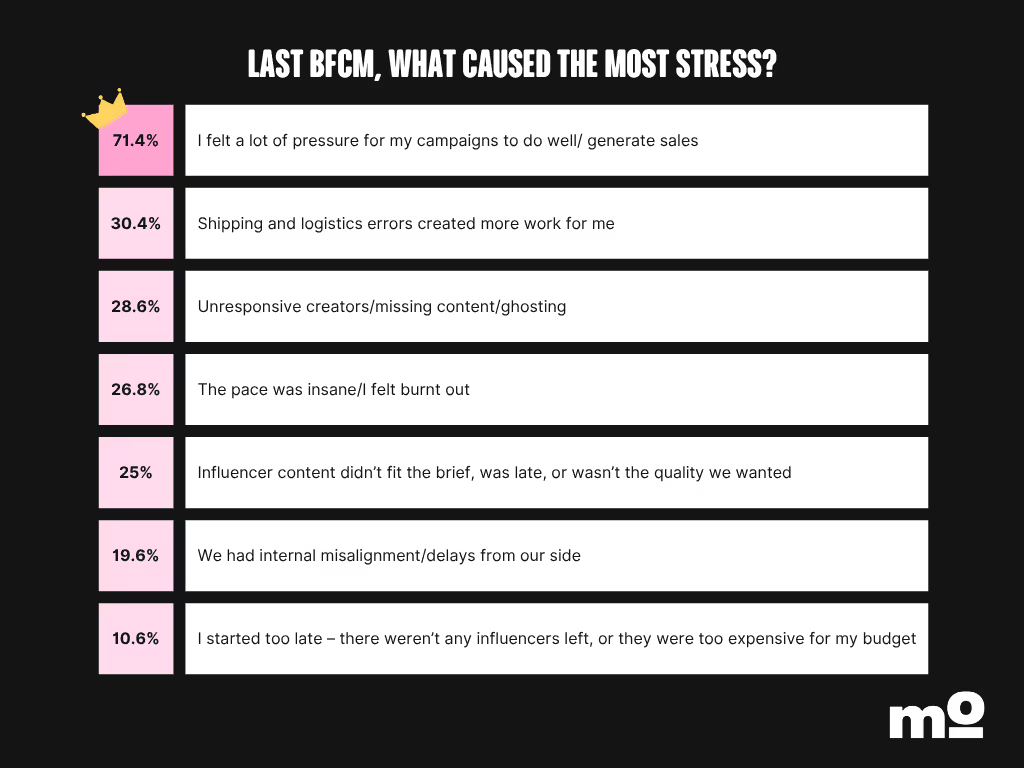
And it’s understandable: most brands dedicate a lot of time, money, and resources to Black Friday campaigns, and stakeholders expect positive results.
Fiorella Picado says the pressure’s there even when everything’s going as planned:
Even when influencer campaigns go smoothly, the period is always madness for companies. There are a lot of expectations and pressure.

Then it’s no wonder why marketers work 7.5 extra hours every week during BFCM campaigns – they want to ensure nothing slips through the cracks and everything performs well.
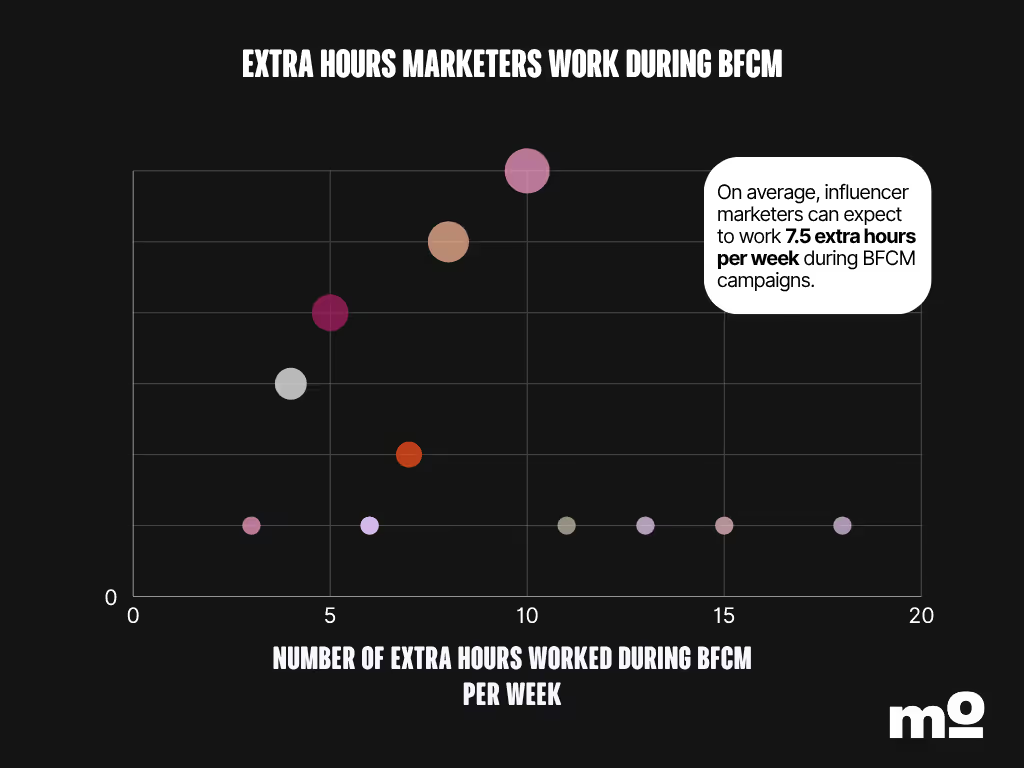
The extra hours are also because the scale of the influencer campaigns is much larger compared to the rest of the year. You’re partnering with more creators, running more collaborations, and managing more tasks simultaneously. As Abudullah Khan says:
BFCM is exciting and full of opportunity, but it’s also a non-stop sprint of planning, managing, and adapting.

If you’re starting your BFCM prep late, there’s even more pressure because you know some brands have had a head start in getting everything in order.
The solution is to take a deep breath and think of what you need right now. BFCM seems like this tremendous, scary, overwhelming job when you look at *everything* you have to do. So pause and take it one step at a time.
And if you’re a tightly-knit team struggling with a never-ending to-do list, consider outsourcing some aspects of your workflow, too. It’s not that common, but it’s definitely a good option to consider if you’re strapped for time. In our survey, nearly 13% of marketers said they outsourced some of the processes in their Black Friday campaigns.
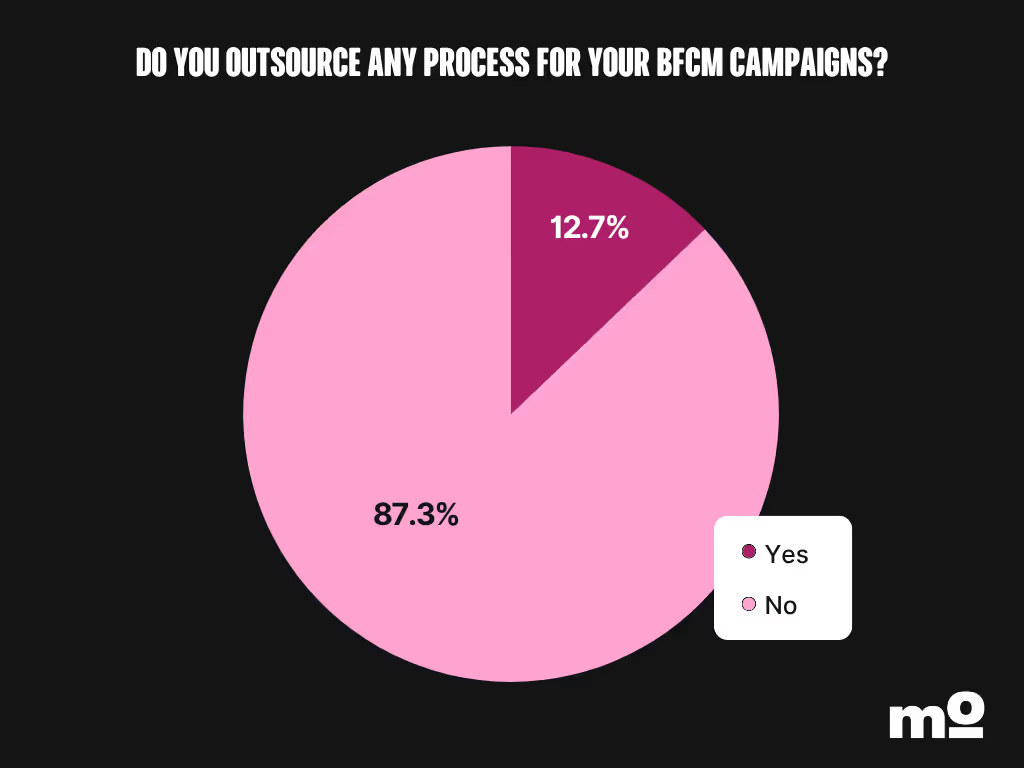
Paulina Cieslik, for example, outsources the initial steps of discovery up to contract signing:
“[We outsource] sourcing creators and handling formalities, such as negotiating and signing contracts.”
If you aren’t outsourcing, make sure to divide the workload during BFCM as equally as possible within your internal team so one person alone isn’t shouldering more than the rest. It isn’t just a nice-to-do thing (although that’s reason enough); one person handling a majority of the tasks alone also leaves more room for mistakes. Distributing an even workload within the team is the number one change Alice Arruda is making this year:
“This year, my team is bigger – so the #1 change is making sure the workload is better distributed. Last year, one person handled too much, and we definitely want to avoid that.”
Pro tip: One of the easiest things you can do to make the influencer content you source work harder for you is to repurpose it. 73.2% of marketers in our survey said they repurposed influencer content during BFCM. And here’s the best part: 63.2% of participants said repurposed influencer content consistently outperformed other types of content during Black Friday.
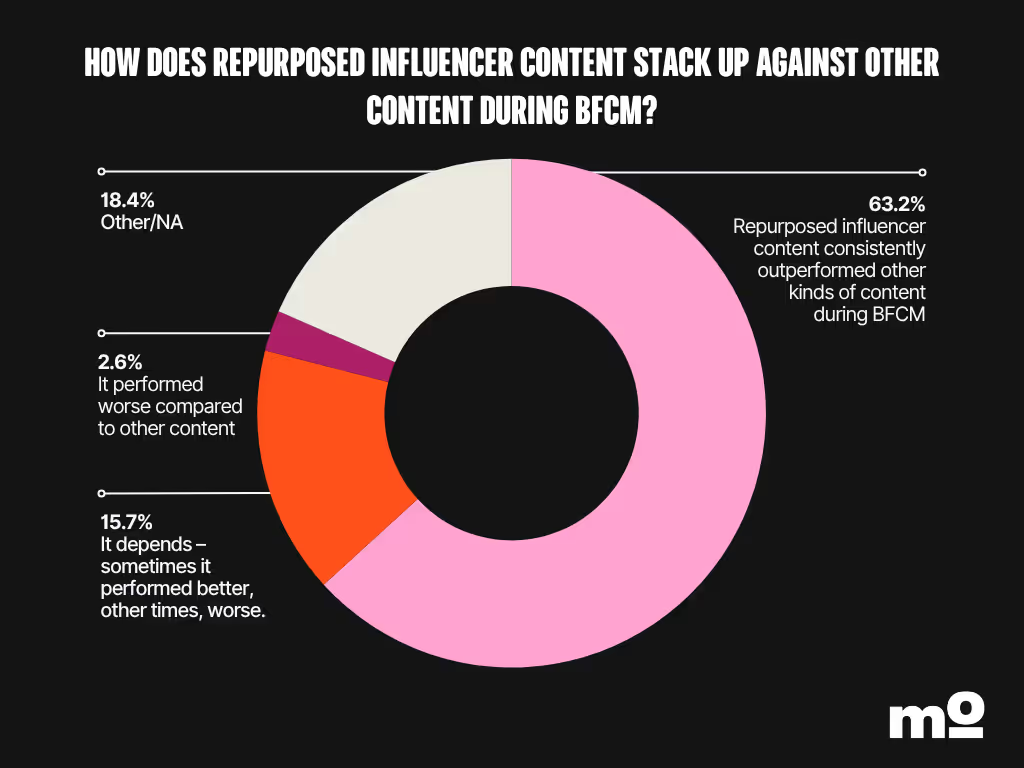
Abdullah has an excellent theory on why creator content performs better during the holiday season:
“People trust real voices, and during BFCM when everyone is bombarded with offers, that authenticity really stands out.”
When you’re planning your BFCM strategy, bake repurposing into your workflows – ensure approvals are fast and align your adjacent marketing teams on how you can repurpose creator content into ads, email assets, website content, etc. (Don’t forget to get usage rights from creators before doing this!).
The thing with BFCM is…you can’t predict what will go wrong. The most common issue is that product packages shipped to creators get lost or delayed. Nacho Selma shared:
“Logistics issues are always the hardest part for me. Packages that don’t arrive, neighbors taking them without saying anything, or couriers leaving them at the door and then they disappear – all of that delays the campaigns.”
Sometimes, your internal team might forget to ship products on time, too, as happened with an anonymous marketer in our survey:
“I forgot to send a big name some product beforehand, but luckily she had some of the old products.”
Other times, there might be a delay in content approvals or last minute offer changes. Regina Regos explained:
“The discounts changed at the last minute, so we had to contact all creators a few hours before they went live to make sure they had the right info.”
And you might make errors, too, especially when you’re overworked and are juggling a gazillion things at once. Lee Drysdale shares a mistake he made:
“I once scheduled quite a bit of content to go live the week before Black Friday instead of the week following – luckily all my creators were super responsive and we were able to actually push it as a warm up!”
You can’t predict what will go wrong internally, but you can stay prepared for it. Pad your timelines with shipping delays in mind, for instance. Fiorealla suggests this, too:
“Factoring time for potential delays is a game-changer.”
What about last minute promotional changes? Mark Dandy’s tip is to make discount codes evergreen. So, for example, instead of your discount code being KATHY20, let it just be KATHY[YOUR BRAND NAME].
“If that discount has changed to 10% but says 20% in the name, people will not get the discount they were originally promised and will switch off.”
Andreea Ceausu also offers a practical tip: avoid creating influencer BFCM content too far in advance – especially the content directly referring to/explaining the discounts.
“I will be sending briefs later to make sure no details change before the influencers create the content.”
But sometimes, there’s no other way around asking creators to reshoot content – for example, if you’re changing the product catalog that’s on discount. Yes, it’d be a bummer to ask creators to redo some work, but if you’ve built a foundation of strong influencer relationships (especially over the long-term), your partners will come through for you. Mark agrees:
“If a brand changes their discount and says, ‘Look, I'm sorry. I know you've created a video and said that there’s a 30% discount. We need you to refilm it. It's supposed to go live tomorrow, can you do it now, please?’ A new influencer will probably refuse. An influencer with whom you’ve built a great relationship might say, ‘That's frustrating, but we love you guys.’”
Like everything else, communication is fast-paced during BFCM. This leaves space for emails to be misunderstood or lost. An anonymous marketer in our survey shared:
“I remembered when a major influencer collaboration fell through at the last minute due to a miscommunication about the content requirements. We had to scramble to find a last-minute replacement, but fortunately, our backup plan worked out, and the campaign still performed well. It was a stressful moment for us.”
It doesn’t have to be a big misunderstanding, too. Sometimes, a creator you thought would provide excellent ROI creates content that just falls flat. Victor Wiśniowski experienced it:
“We had some influencers that had great organic post performance, but the paid posts just dropped right off.”
In both cases, you have to scramble to recover – especially if you’re partnering with high-ticket influencers.
Like with the previous pointer, the best solution here is to stay prepared with a plan B. If you’re betting on an unconventional or big-name creator, balance it out by booking a creator who usually performs well for you, too.
Diversify the kinds of influencers you’re partnering with and don’t put all your eggs in one basket. Sometimes, smaller creators may even surprise you, as Leslie Belen demonstrates:
“Some of the smaller creators outperformed expectations. A few micro-influencers delivered really strong engagement and drove noticeable traffic, even without huge follower counts. It was a good reminder that fit and authenticity often matter more than size.”
You’ve set up the best collaboration, the creator has also signed the contract & received the brief, and the product has even reached them on time. Life is beautiful. But then, suddenly, dark clouds take over: your creator ghosts you. ☠️
An anonymous marketer shared his frustration in our survey:
“Influencers being unresponsive is one of the top things that went wrong during last year’s BFCM campaigns. Maybe they're distracted by other brand partnerships or shopping themselves, but they disappeared when timing was crucial.”
Lucy Sergeeva also told us about the time when an influencer stopped responding to her team after receiving the product. Creator ghosting is in the top third stressors marketers face during BFCM. But as much as it stings, you don’t have the time to wait it out (or mope).
The solution: set up a majority of your BFCM creator collaborations with long-term influencer partners. Nearly half the marketers in our survey have 25% or fewer collabs with new influencers.

If you’ve worked to build a deep relationship with creators, it’s unlikely they’ll go absent at the last minute. Only new creators might pull that move. By placing your bets on long-term creator partners, you minimize your risk and diversify your creator portfolio.
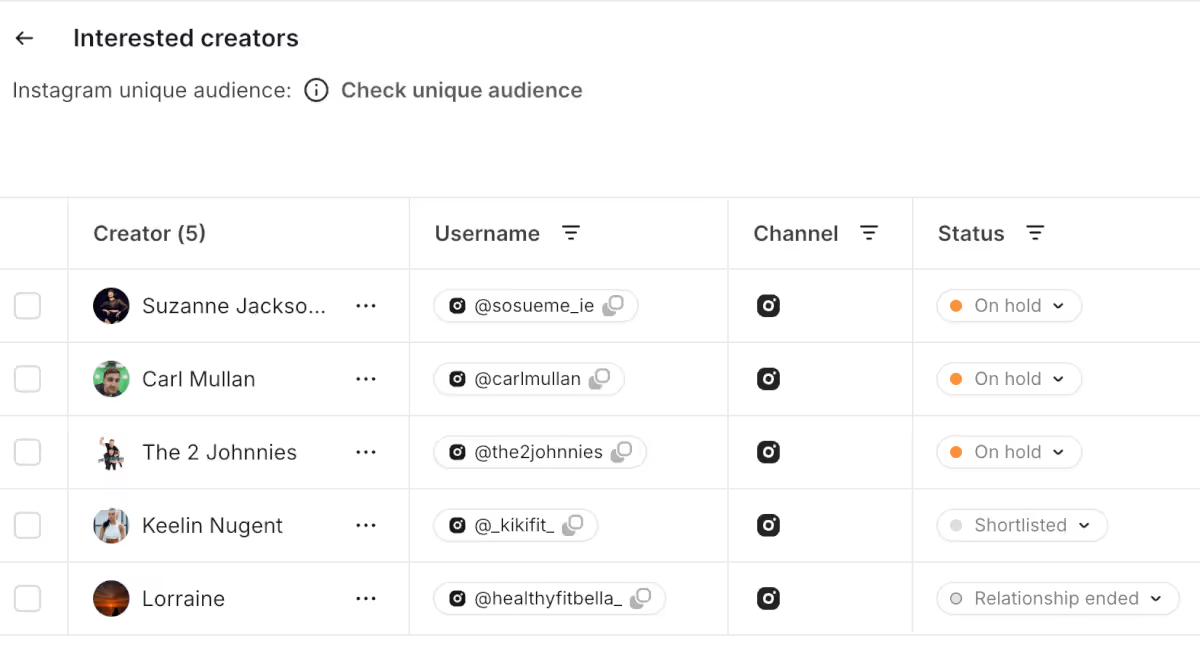
Another thing you can do is keep a running list of backup creators – these can be influencers who have shown interest in partnering with you, have had one-off collabs with you, or already follow you. You can reach out to them if a planned influencer partnership doesn’t work out.
How do you find creators who follow you and interact with your posts? Find your own brand account on Modash and scroll down to “Social connections.” Here, you can find notable influencers who follow you in the “Followers” tab and interact with you in the “Likers” tab.
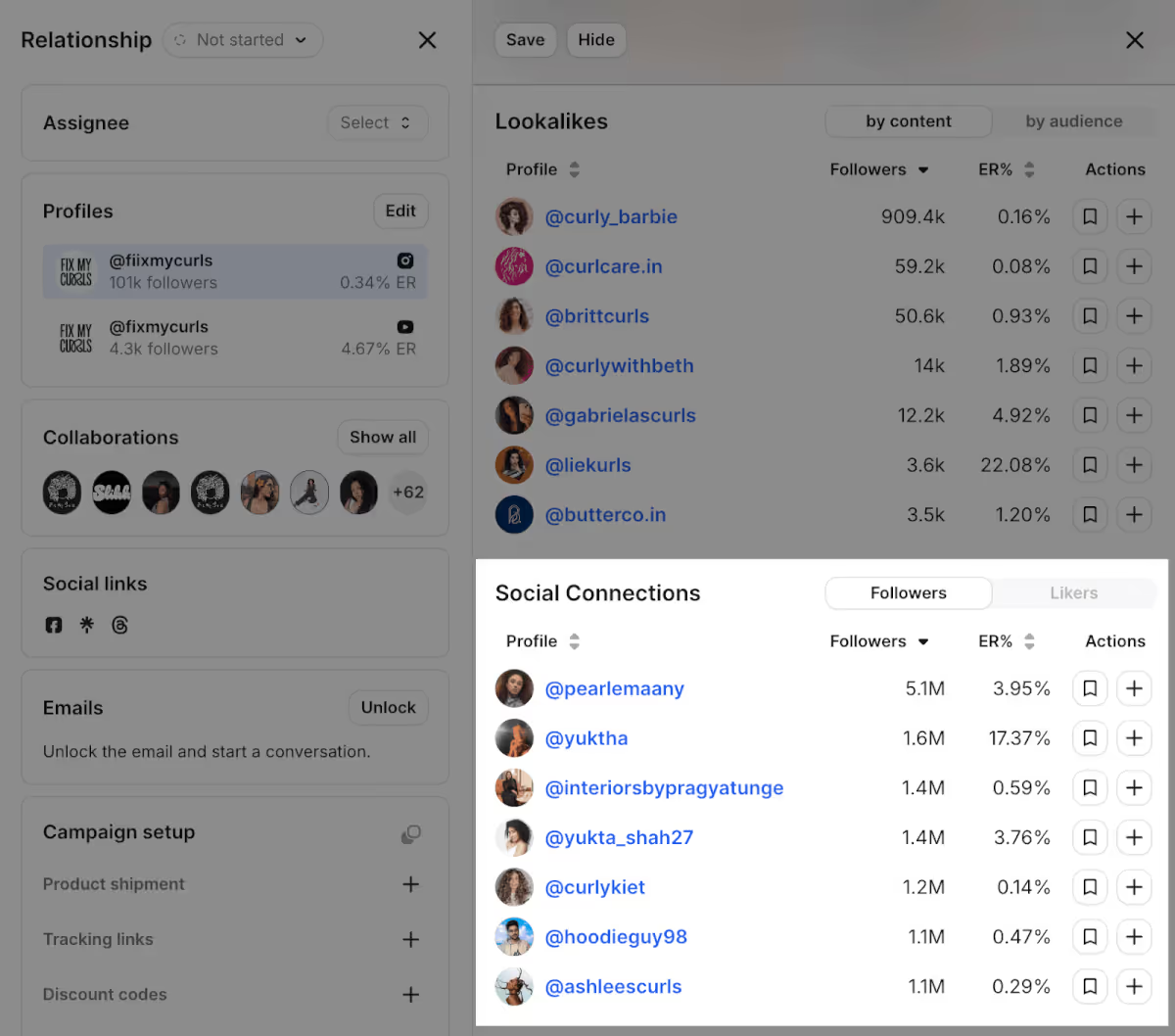
Pssst…the “Lookalikes” tab can also help you discover creators with similar audience demographics.
On Modash, you can keep these lists easily by tagging creators with status/labels or even creating custom lists for your backup creators.
Sometimes, creators might post the wrong content, the wrong link, forget to disclose the partnership properly, or even post at the wrong time. It happened to Abdullah:
“One of our top influencers went live with their BFCM post a full week early with the discount code, sale pricing, everything. It triggered a mini stampede on the site before we were even ready. Inventory wasn’t synced yet, the promo banners weren’t live, and customer support had no idea what was happening. We had to pause sales, pull the post down, and rush to launch things ahead of schedule.”
The concern isn’t influencers making mistakes (that’s expected), but you missing them.
Imagine a creator’s post with the wrong code/link going live, and you notice it three days later. In short-form video platforms like TikTok and Instagram, most content doesn’t have a long shelf life for you to correct the error and still retain the engagement and sales.
You can’t afford to have such things slip through the cracks. An anonymous marketer in our survey recommended creating a detailed live tracker so you can check influencer posts when they go live without missing a beat.
“We also created a live tracker for deliverables and performance metrics, which helped us stay agile and quickly address any delays or underperforming content. Proactive communication and daily alignment across the team made a huge difference in keeping everything running smoothly during such a high-pressure period.”
But even with the tracker, this process is too…manual.
Instead, automate influencer content tracking using Event Mode in Modash. You can track every piece of content your creator partners post – regardless of brand mentions, tags, and whatnot – and then manually select which posts you want to add to your BFCM campaign for performance analysis.
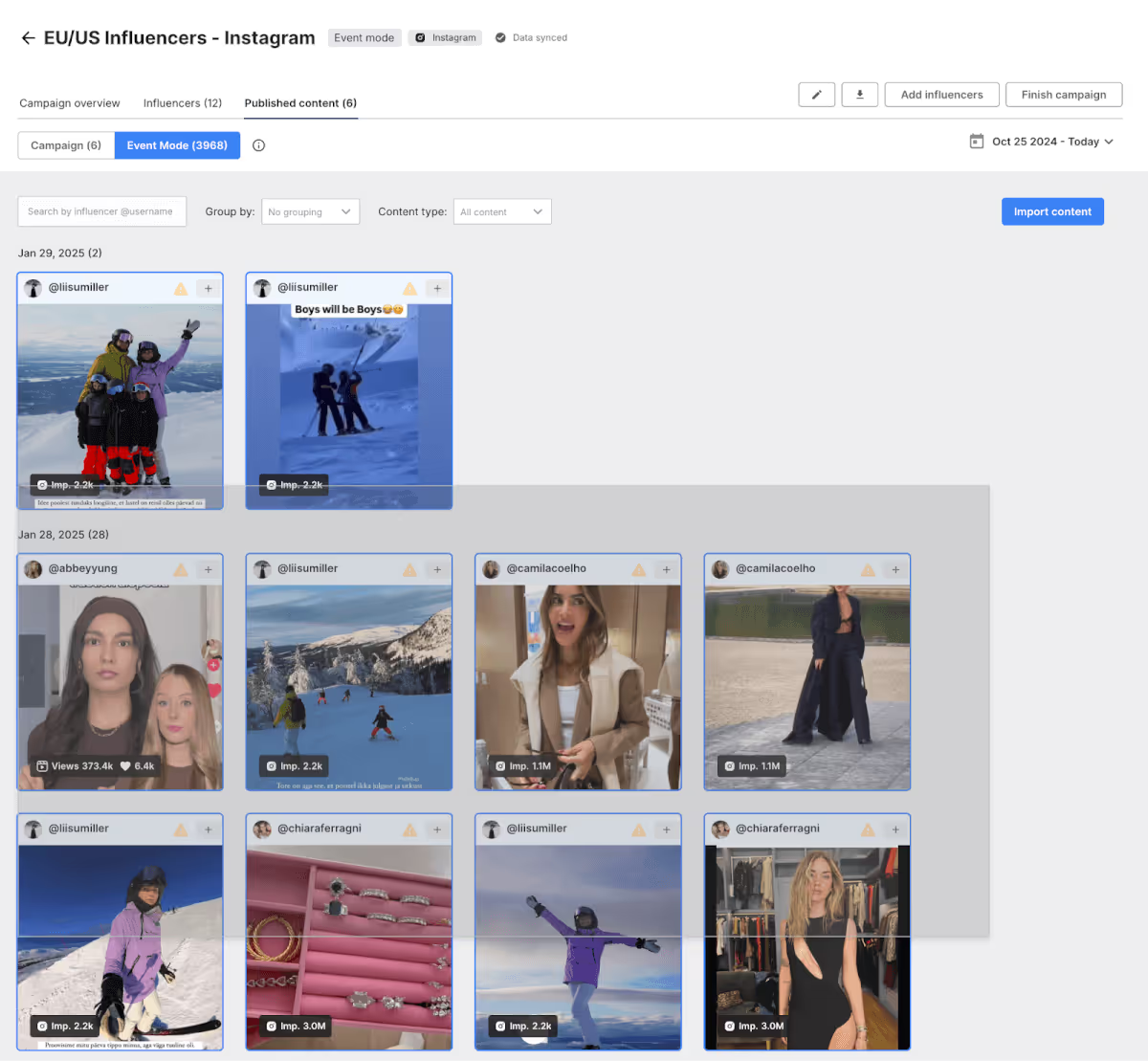
Using Event Mode, you can check influencer content whenever you have the time, ensure everything looks good, and add it to your campaign for performance tracking. You also don’t have to worry about collecting Instagram Stories at odd hours in the day if you’re working with creators outside your country – Modash captures them, too!
Plus, Modash can be the centralized hub your team needs to find influencers, vet their profiles, reach out to them, track the content they create, and analyze their performance – all in one place. With the Shopify integration, you can even create discount codes, UTM links, and ship products without ever leaving the Modash tab – more on that in the next section.
BFCM is when your campaigns are in sales mode. Your stakeholders want tangible return on investment (ROI) and if you can prove that influencer marketing increased the bottom line, you can also ask for more budget – especially for experimental creators. But the challenge here is two-fold:
For the first half of the challenge, as we’ve discussed in the previous pointer, use features like Event Mode in Modash to automatically track everything creators post and easily verify if all of it is prim and proper.
For the second half of the battle, use a software like Modash to automate tracking creator performance. You can integrate your Shopify store to Modash and do the following:
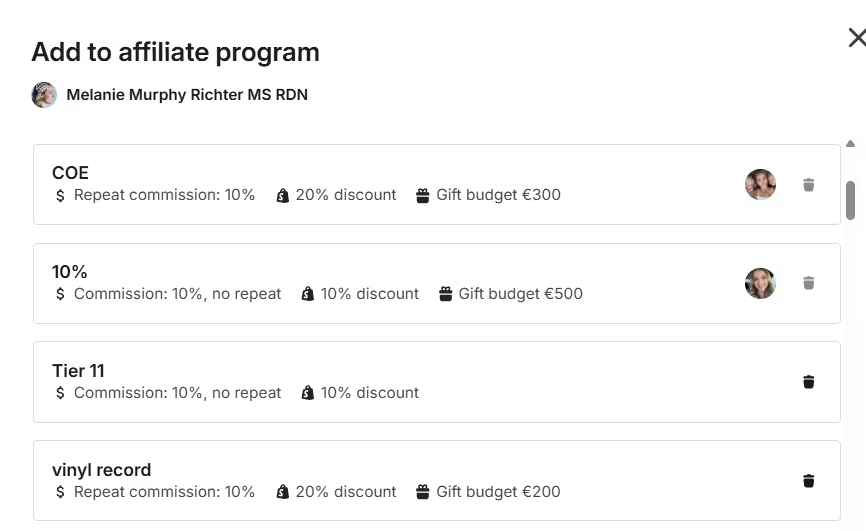
Look at that – the results of all your hard work in one place.
Can you manually track how many sales each creator is bringing in and then calculate their collective impact? Of course. But in a high-pressure, fast-paced time like BFCM, there’s just lots of better use of your time than switching tabs, filling in spreadsheets, and running Excel formulas – especially when Modash can do all of that for you much more quickly without you having to lift a finger.
Pro tip: Mark suggests having discount codes and UTM links for each creator during Black Friday (if you’re running affiliate partnerships) instead of having one or the other. This way, if a consumer wants to go to a creator’s link instead of opening a separate tab and entering their discount code, they can do so.
BFCM is a chaotic time by design…it’ll appear more so if you’re beginning to prep for it in September. And yes, while starting early is a competitive advantage during Black Friday, it isn’t everything. A late start isn’t a lost cause.
Because newsflash: no matter when you start, the challenges remain the same (they just change shape and intensity). Packages still get lost, influencers still ghost, and the pressure to perform is still there.
The fix is to stay adaptable, think on your feet, and prepare as much as you can. Modash gives you the perfect system to ace your Black Friday campaigns – whether you need to find creators at the last minute, vet them quickly, or track your ROI accurately.
Use Modash to get ahead. Try it for free at no cost for 14 days.