



Mehr Tools
Use Cases
Rechtliches



Die meisten Marken bauen ihr Affiliate-Programm von hinten auf. Sie melden sich bei einer Affiliate-App an, gewinnen vielleicht ein paar Creatorinnen und Creator und klären dann irgendwann ihre Provisionsstruktur, Auszahlungsregeln und Strategie zur Gewinnung neuer Creator.
So entsteht ein inaktives Programm voller Affiliates, die sich angemeldet, nie etwas gepostet haben und irgendwann vergessen, dass es euch gibt.
Die Reihenfolge ist wichtiger, als die meisten denken. Eure Provisionsstruktur sollte feststehen, bevor ihr jemanden rekrutiert. Eure Recruiting-Strategie sollte durchdacht sein, bevor ihr versucht zu skalieren. Und eure Tools sollten dazu passen, wohin sich euer Programm entwickelt – nicht nur zu dem, was sich heute am einfachsten einrichten lässt.
In diesem Leitfaden führen wir euch Schritt für Schritt durch den gesamten Prozess: von der Entscheidung, welche Art von Programm ihr aufbauen möchtet, und der Festlegung eurer Provisionsstruktur bis hin zur Gewinnung eurer ersten Affiliates, ihrem Onboarding, der Erfolgsmessung und kontinuierlichen Optimierung beim Skalieren.
Bevor ihr euch mit Provisionssätzen oder Recruiting beschäftigt, müsst ihr entscheiden, wie euer Programm funktionieren soll. Es gibt drei Hauptansätze – und welcher der richtige ist, hängt von eurem Budget, den Kapazitäten eures Teams und davon ab, wie viel Kontrolle ihr über eure Beziehungen zu Creator:innen haben möchtet.
Hier ist ein kurzer Entscheidungsbaum, der euch bei der Wahl des richtigen Wegs hilft:
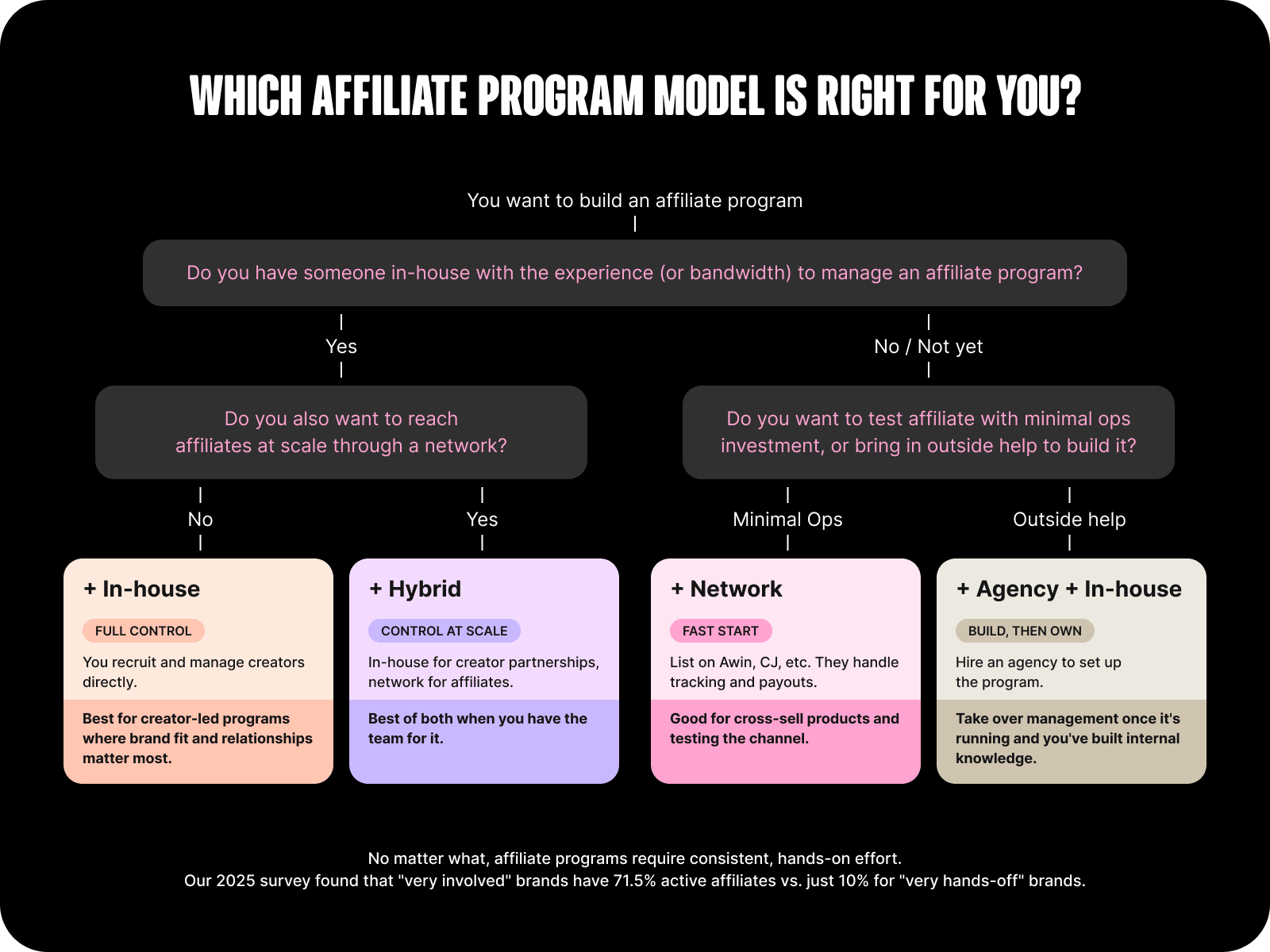
Bei einem Inhouse-Programm findet, gewinnt und betreut ihr Affiliates selbst (oder gemeinsam mit eurem Team) – ohne ein vermittelndes Netzwerk. Ihr habt die Beziehungen selbst in der Hand, legt die Konditionen fest und kontrolliert, wie eure Marke wahrgenommen wird.
Ein Affiliate-Programm zu betreiben kann zwar viel Arbeit bedeuten (und erfordert mindestens eine eigens dafür zuständige Fachkraft, um gut skalieren zu können), aber dieser Ansatz gibt euch langfristig auch die meiste Kontrolle und den höchsten Ertrag. Ana Polino erläutert:
Ein Inhouse-Team ist stärker auf die langfristige Vision des Unternehmens ausgerichtet, was in der Regel zu besserer Kommunikation, schnelleren Entscheidungen und stärkeren Beziehungen zu Affiliates und Partnern führt. Interne Teams können schneller auf Marktveränderungen reagieren, Aktionen zügiger starten und die volle Kontrolle über Markenbotschaften und Qualitätsstandards behalten.

Inhouse habt ihr außerdem eine Flexibilität, mit der Netzwerke nicht mithalten können. Ihr könnt gestaffelte Provisionsstrukturen aufbauen, leistungsstarke Affiliates im Laufe der Zeit in bezahlte Partnerschaften überführen, Creator:innen in Produktlaunches einbinden und Affiliate-Content wiederverwenden – über andere Kanäle hinweg. Fiorella Picado merkt an:
Wenn ihr euer Programm intern betreibt, habt ihr zudem mehr Flexibilität, Affiliates in den breiteren Marketing-Mix einzubinden, das Programm als stabile Content-Quelle für andere Kanäle zu nutzen und Initiativen spontaner umzusetzen. Wenn ihr alles intern abwickelt, können Creatorinnen und Creator außerdem eine viel engere Beziehung zu eurer Marke aufbauen und tiefere Einblicke gewinnen – etwas, das externe Partner oder Netzwerke in dieser Form nicht bieten können.

Ein Inhouse-Ansatz funktioniert am besten, wenn:
Affiliate-Netzwerke – Plattformen wie Awin oder CJ Affiliate – verschaffen dir Zugang zu einem großen Pool an Affiliates und übernehmen einen Großteil der Infrastruktur: Tracking, Zahlungen und Reporting. Du listest dein Programm, Affiliates bewerben sich oder finden dich, und das Netzwerk übernimmt die technische Abwicklung.
Der größte Vorteil von Netzwerken ist, dass sie dir viel Arbeit abnehmen. Du musst keine Tracking-Infrastruktur von Grund auf aufbauen, die Zahlungsabwicklung verwalten oder Steuerformularen hinterherlaufen.
Für Marken, die keinen festen Affiliate-Manager haben – oder nicht über die interne Erfahrung verfügen, ein Programm von Grund auf aufzubauen – beseitigen Netzwerke viele operative Hürden und ermöglichen einen schnelleren Start.
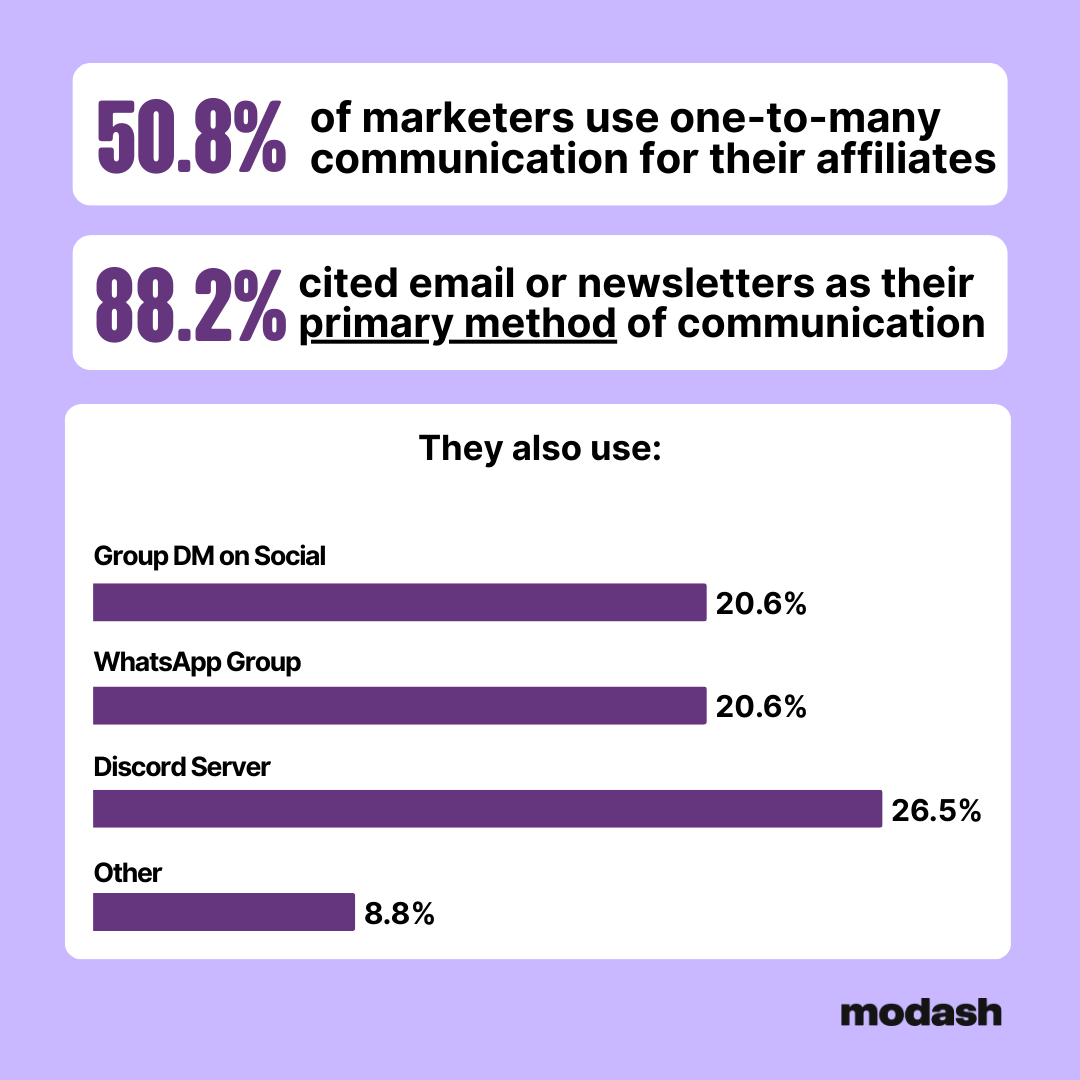
In unserer Umfrage haben wir außerdem festgestellt, dass fast die Hälfte der Marketer ständig nach neuen Affiliates sucht.
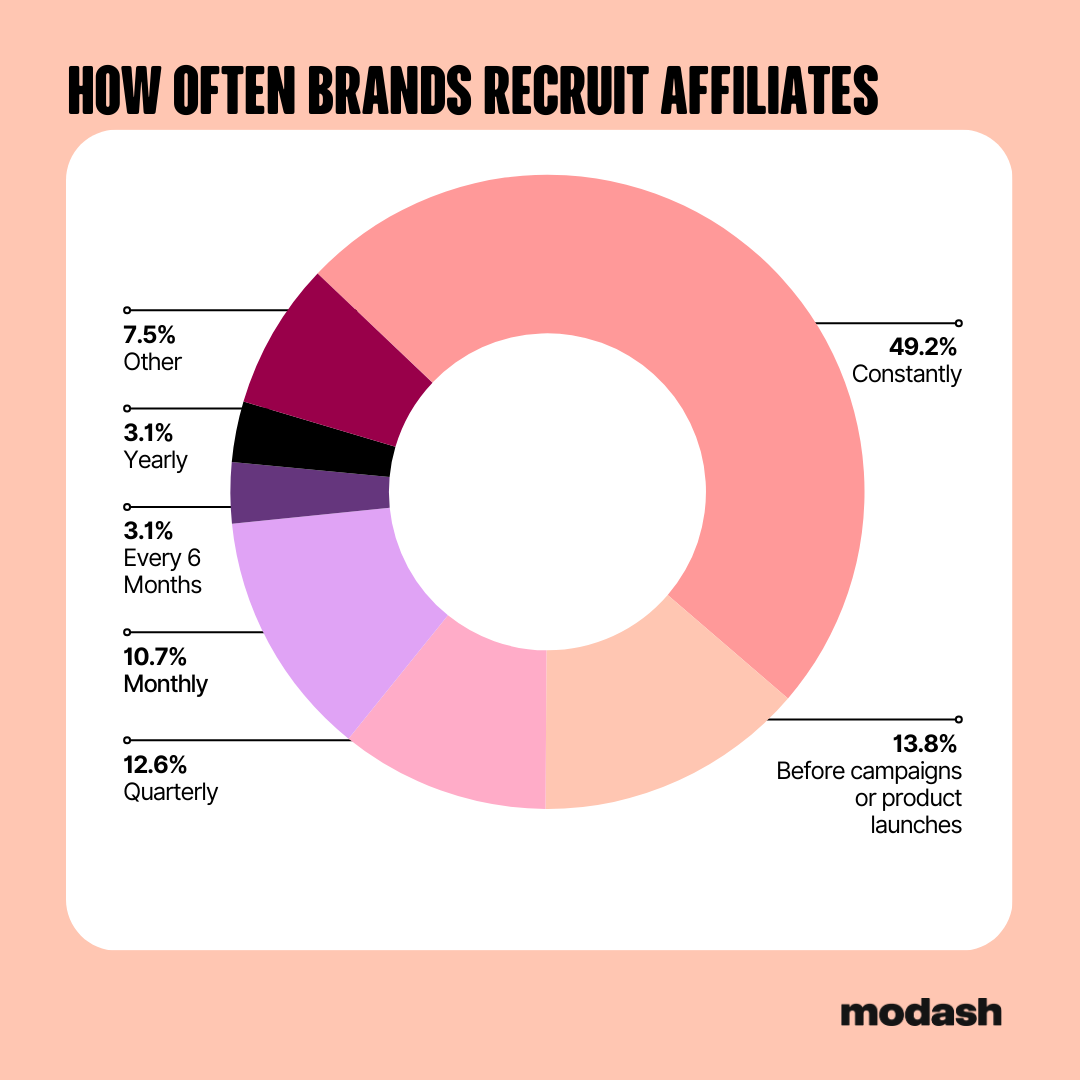
Affiliate-Netzwerke können dabei sehr helfen, insbesondere wenn dein Produkt eine breite Zielgruppe anspricht. Denk an Marken aus den Bereichen Mode, Beauty, Wellness, FMCG usw., die größere Märkte bedienen – Netzwerke können eine relevante Reichweite bieten, insbesondere um klassische Affiliate-Partner wie Blogger, Bewertungsseiten und Online-Magazine zu erreichen. Fiorella stimmt zu:
Affiliate-Netzwerke eignen sich besser für Marken, die schneller skalieren möchten, Zugang zu einem breiteren Pool an Affiliates benötigen oder Unterstützung bei Tracking, Zahlungen und Infrastruktur brauchen.
Der Kompromiss ist weniger Kontrolle. Netzwerke ziehen neben Creators häufig auch Gutscheinseiten, Cashback-Plattformen und Publisher an – und nicht alle davon werden deine Marke so repräsentieren, wie du es möchtest.
Netzwerke funktionieren am besten, wenn:
Ein hybrider Ansatz kombiniert die interne Betreuung deiner wichtigsten Beziehungen zu Creators mit einem Netzwerk für eine größere Reichweite über klassische Affiliate-Partner.
Dies ist die beste Option, wenn du etwas Kontrolle über die Gewinnung von Affiliates und die Beziehungen behalten, dein Programm aber gleichzeitig mithilfe der Reichweite eines Netzwerks skalieren möchtest.
Ein weiterer Ansatz für ein Hybridmodell besteht darin, mit einer Agentur zusammenzuarbeiten, um Ihr Affiliate-System zunächst aufzubauen und einzurichten, und das interne Team übernehmen zu lassen, sobald das Programm läuft. Das kann für Marken funktionieren, die jemanden haben, der das Programm langfristig betreuen kann, denen aber das Know-how fehlt, es von Grund auf zu konzipieren.
Ein Hybridmodell funktioniert am besten, wenn:
Unabhängig davon, für welchen Weg Sie sich entscheiden: Der nächste Schritt besteht darin, die Struktur Ihres Affiliate-Programms festzulegen – was Sie Affiliates zahlen, welche Provision Sie anbieten und wie Sie Affiliates aktiv halten möchten.
Die meisten Marken melden sich direkt für ein Tool an oder beginnen, Creator zu rekrutieren. Doch Programme, die tatsächlich funktionieren, folgen meist einer bestimmten Reihenfolge: Zuerst die Struktur festlegen, dann rekrutieren, dann skalieren. Hier sind die 11 Schritte dorthin.
Unsere Umfrage zum Affiliate-Marketing hat eines deutlich gemacht: Viele Marken erwarten, dass Affiliate-Marketing den Umsatz steigert, behandeln es aber wie ein passives Programm. Das funktioniert nicht. Wenn Ihr Affiliate-Programm erfolgreich sein soll, müssen Sie Zeit, Geld und Ressourcen investieren.
Der erste Schritt besteht darin, konkrete, spezifische Ziele dafür festzulegen, wie Erfolg für Ihr Affiliate-Programm aussieht. Denken Sie nicht zu weit voraus – entscheiden Sie einfach, was Sie in den ersten 90 Tagen erreichen möchten. Das könnte beispielsweise sein:
Die meisten Programme werden einige dieser Ziele kombinieren, aber wählen Sie eines als Ihren Leitstern. Wenn Sie versuchen, alles gleichzeitig zu optimieren, optimieren Sie am Ende gar nichts. Nach den ersten 90 Tagen sollten Sie reflektieren, was gut gelaufen ist, was verbessert werden könnte, und Ihre Ziele entsprechend anpassen.
Wichtig ist, dass Sie KPIs festlegen, die für ein neues Programm tatsächlich realistisch sind. Wenn dies Ihr erstes Affiliate-Programm ist, sollten Sie sich nicht an Marken orientieren, die ihres bereits seit zwei Jahren betreiben. So sehen realistische Ziele für die ersten 90 Tage aus:
Auch wenn Sie nicht neu sind, lohnt es sich, Ihre begrenzten Ressourcen zu berücksichtigen. Wenn ein Ein-Personen-Team Ihr gesamtes Affiliate-Programm betreut, ist es realistischer, in den ersten 90 Tagen mit der Betreuung von 10 Affiliates zu rechnen, statt 50 onboarden zu wollen und den Großteil davon zu vernachlässigen.
Geben Sie dem Programm mindestens sechs Monate Zeit, bevor Sie entscheiden, ob es funktioniert. Legen Sie jedoch Kontrollpunkte nach 90 Tagen fest, damit Sie Probleme frühzeitig erkennen und gegensteuern können.
Ihre Provisionsstruktur ist eines der ersten Dinge, die ein Affiliate bewertet, wenn er entscheidet, ob Ihr Programm seine Zeit wert ist. Wenn Sie es falsch machen, wird es Ihnen schwerfallen, gute Creator zu rekrutieren – oder Sie rekrutieren sie, nur um dann zuzusehen, wie sie inaktiv werden, weil die Vergütung nicht motivierend genug ist.
Es gibt drei Hauptmodelle zur Auswahl:
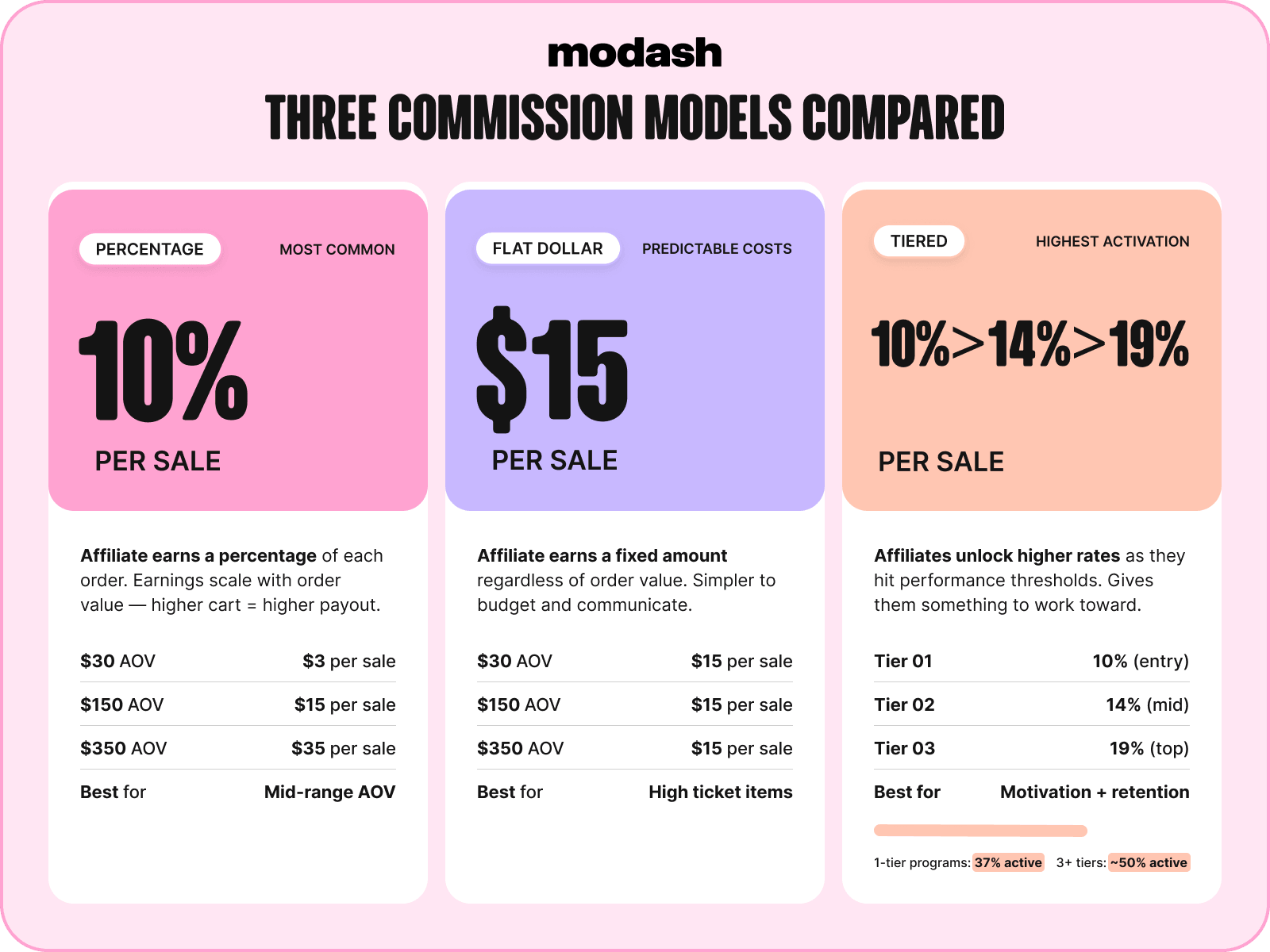
Wie finden Sie heraus, wie viel Sie tatsächlich zahlen können? Fiorella empfiehlt, bei der Betrachtung von Modellen, die Affiliates motivieren, auch die Unit Economics zu berücksichtigen:
Bevor ich eine Provisionsstruktur festlege, modelliere ich normalerweise verschiedene Szenarien auf Grundlage des erwarteten AOV, des Deckungsbeitrags und des Kundenverhaltens – mit einem Ziel vor Augen: eine Struktur zu finden, die attraktiv genug ist, um Affiliates zu gewinnen und sie zum regelmäßigen Posten zu motivieren, während die Marke dennoch profitabel skalieren und die Kontrolle über die Akquisekosten behalten kann.
Beginnen Sie mit einer einfachen Übung:
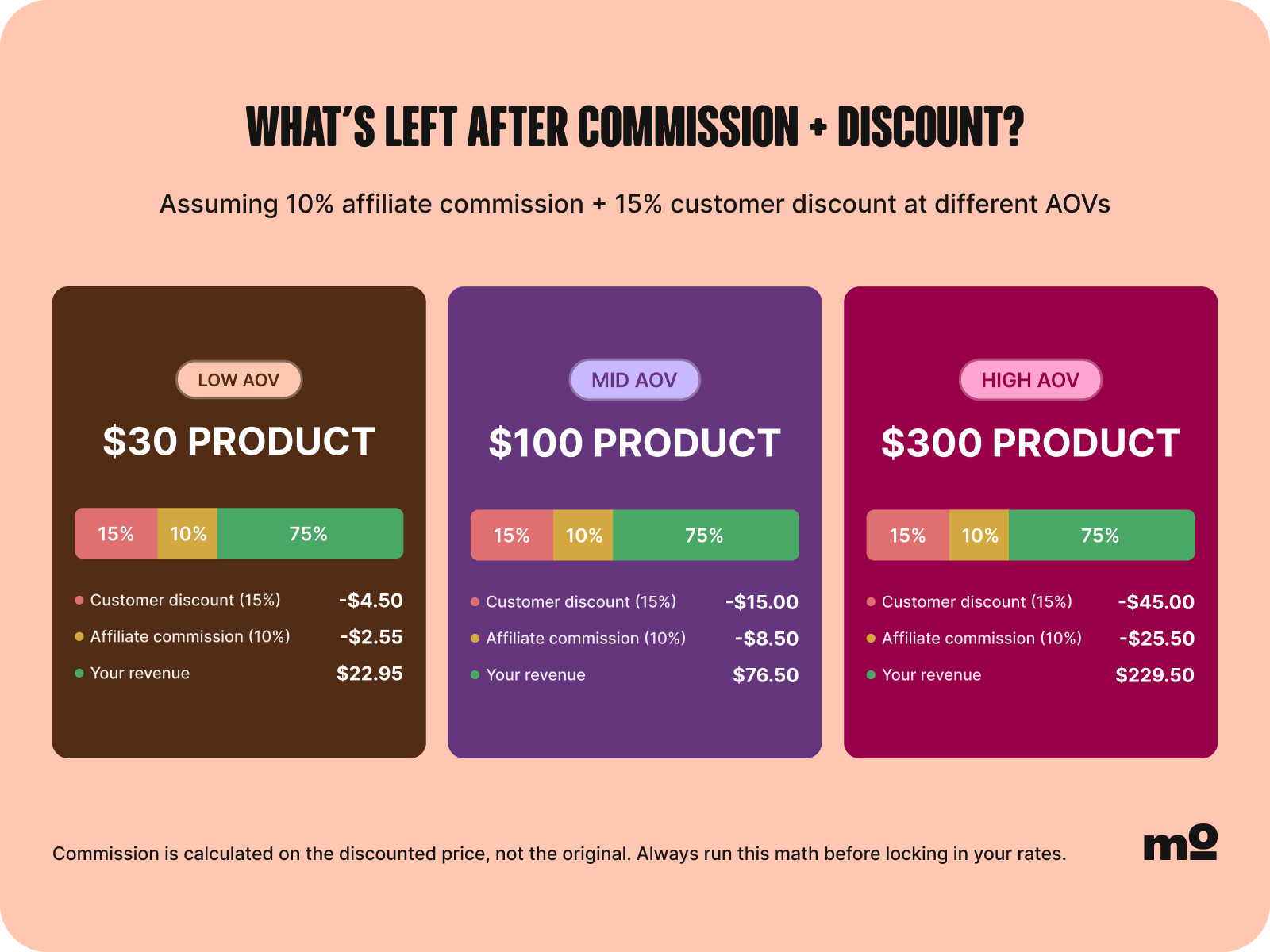
In den meisten Fällen profitieren Marken mit größeren Produktportfolios und geringeren Warenkosten – etwa in den Bereichen Mode, Beauty oder FMCG – eher von prozentbasierten Provisionen. Die Auszahlungen richten sich nach dem Umsatz, und Affiliates werden dazu angeregt, höhere Warenkorbwerte zu erzielen.
Marken, die Influencer-Marketing für hochpreisige Produkte betreiben, sollten jedoch feste Provisionen in Betracht ziehen. Ein prozentbasiertes Modell für Produkte mit hohem AOV kann zu Auszahlungen führen, die den CAC volatil machen und eine profitable Skalierung des Programms erschweren.
Es ist außerdem wichtig zu beachten, dass beide Modelle bei Affiliates unterschiedliche Verhaltensweisen fördern. Wählen Sie das Modell, das den in Schritt eins festgelegten Zielen am nächsten kommt. Fiorella erklärt:
Prozentuale Provisionen motivieren Affiliates in der Regel dazu, den Bestellwert zu maximieren, während feste Vergütungen eher das Conversion-Volumen priorisieren. Die richtige Struktur hängt davon ab, ob Ihr Ziel darin besteht, den AOV zu erhöhen, effizient neue Kundinnen und Kunden zu gewinnen oder das Volumen kontrolliert zu skalieren.
Wenn Sie unsicher sind, ob Sie eine prozentuale oder eine feste Staffelvergütung wählen sollen, beginnen Sie mit einer prozentualen Vergütung. Sie lässt sich später leichter anpassen und entspricht den Erwartungen der meisten Affiliates.
Entscheidend ist jedoch, von Anfang an auf ein Stufenmodell zu setzen – sonst haben Ihre Affiliate-Partner kein Ziel, auf das sie hinarbeiten können. Das klingt offensichtlich, aber die Hälfte der Marketer in unserer Umfrage arbeitet noch immer mit einer einstufigen Provisionsstruktur.
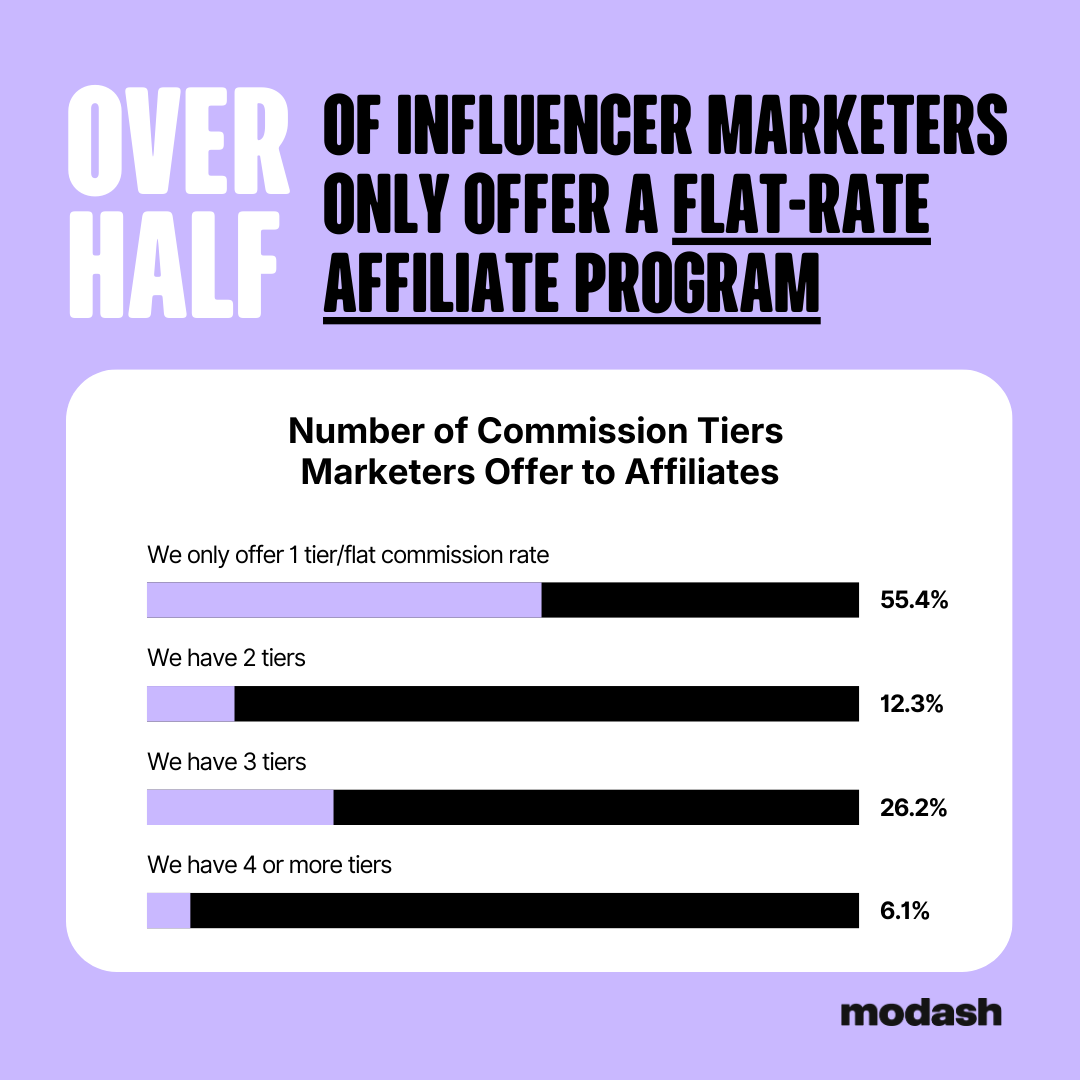
Eine gestaffelte Struktur muss nicht kompliziert sein – drei Stufen sind ideal. Laut unseren Umfragedaten liegen die durchschnittlichen Provisionssätze über drei Stufen bei etwa 10 %, 14 % und 19 %, aber Sie müssen sie an Ihre Margen und Ihren AOV anpassen. Hier ist ein einfaches Beispiel dafür, wie Sie eine dreistufige Provisionsstruktur einrichten können:
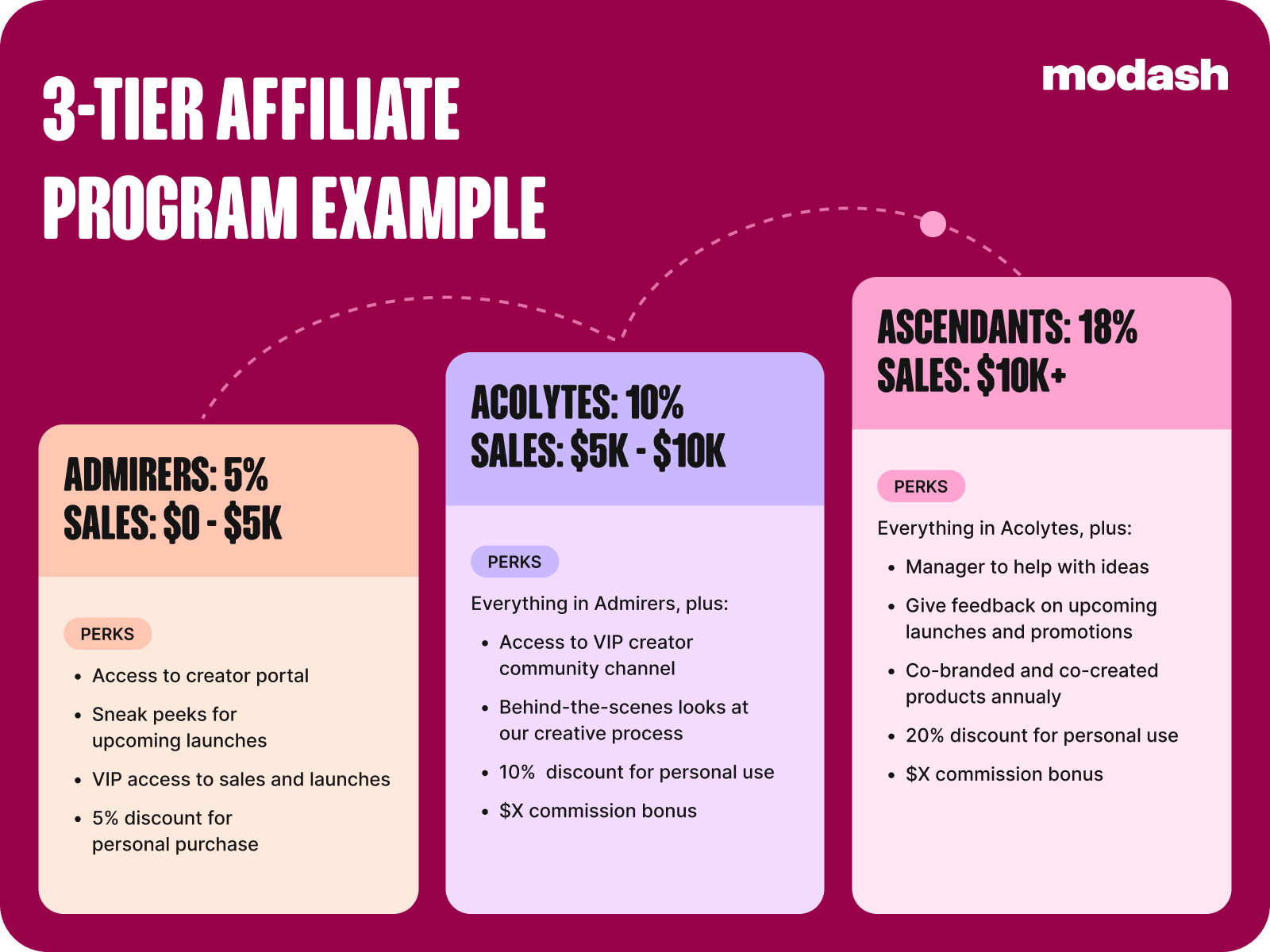
Entscheidend ist, dass jede Stufe attraktiv und erreichbar ist. Wenn Ihre niedrigste Stufe nicht attraktiv ist, werden Affiliates zögern, sich für Ihr Programm anzumelden. Eine äußerst attraktive oberste Stufe bringt jedoch nichts, wenn sie nahezu unerreichbar ist – Ihre Affiliates werden demotiviert und hören auf, es zu versuchen. Legen Sie Schwellenwerte fest, die Ihre Affiliates mit kontinuierlichem Einsatz realistisch erreichen können.
Für einen detaillierteren Einblick in die Berechnung von Provisionen, Branchen-Benchmarks und die Strukturierung Ihrer Stufen lesen Sie unseren umfassenden Leitfaden zum Aufbau eines Affiliate-Programms.
Die Auszahlungsstruktur ist genauso wichtig (wenn nicht sogar wichtiger) wie Ihre Provisionsstruktur. Wenn Affiliates nicht wissen, wann sie bezahlt werden, wie viel sie verdienen müssen, bevor eine Auszahlung ausgelöst wird, oder in welcher Währung sie ausgezahlt werden, verlieren Sie schnell ihr Vertrauen – und Vertrauen ist die Grundlage jeder Affiliate-Beziehung.
Hier sind einige Entscheidungen zu treffen:
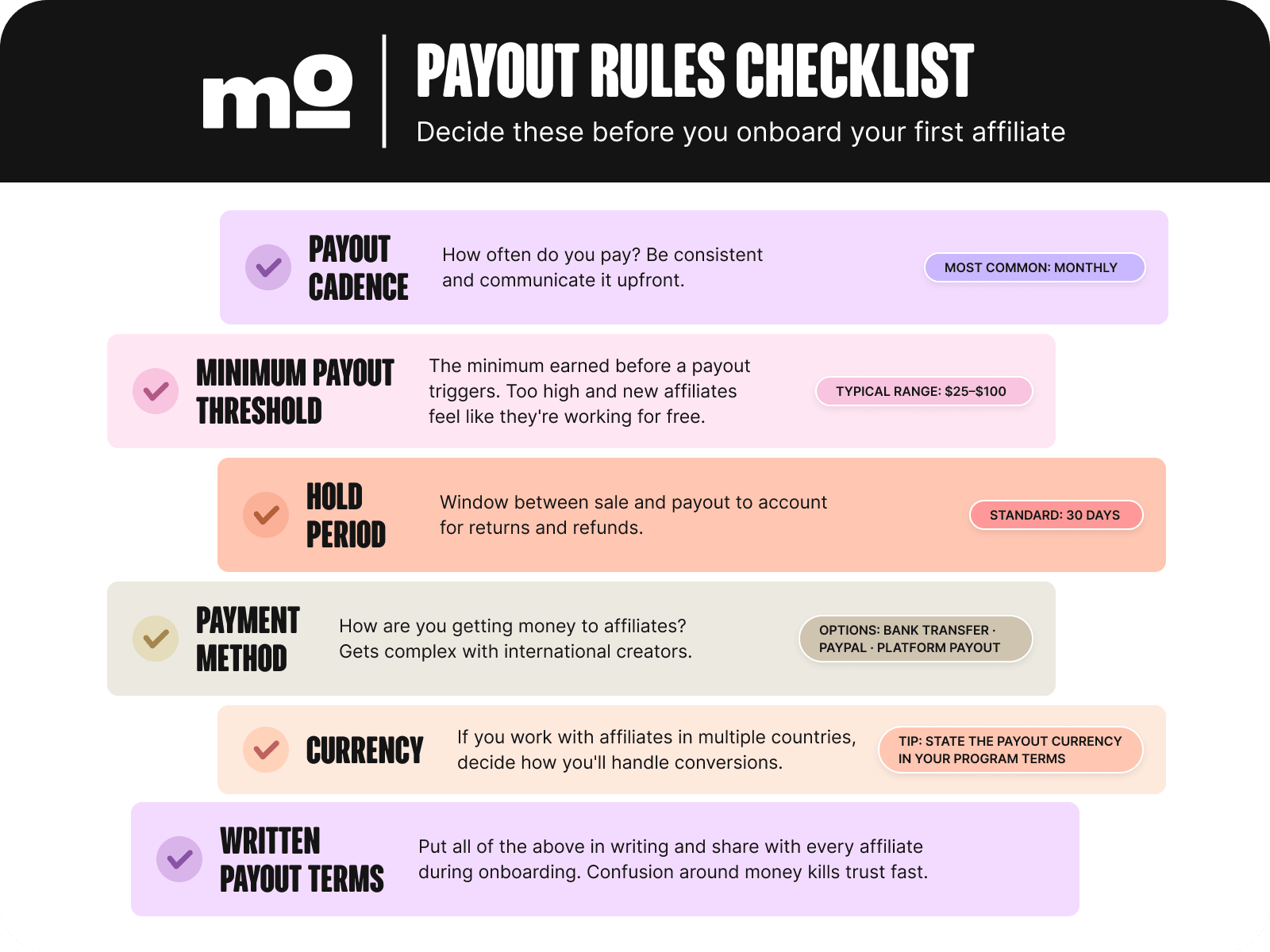
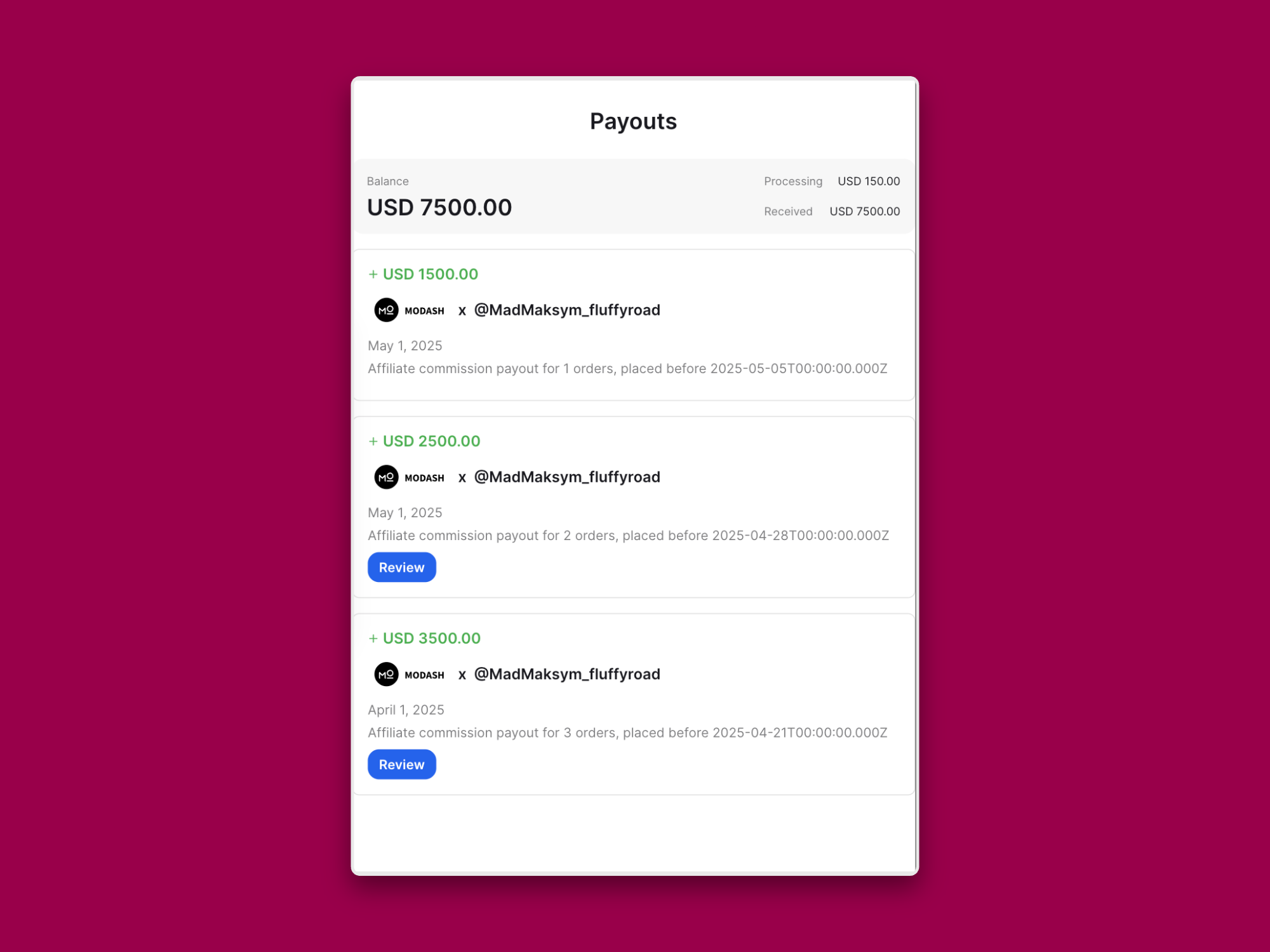
Die Auszahlungslogistik – insbesondere international – kann für viele Influencer-Marketer (und ihre Buchhaltungsteams) die größte Frustration sein. Auszahlungen für ein wachsendes Netzwerk manuell abzuwickeln – nachzuverfolgen, wer wie viel erhält, Rechnungen zu bearbeiten, Währungen umzurechnen und Steuerformulare zu verwalten – wird zu einem operativen Albtraum, sobald Sie 15 aktive Affiliates haben.
Das richtige Tool kann hier einen enormen Unterschied machen. Modash:
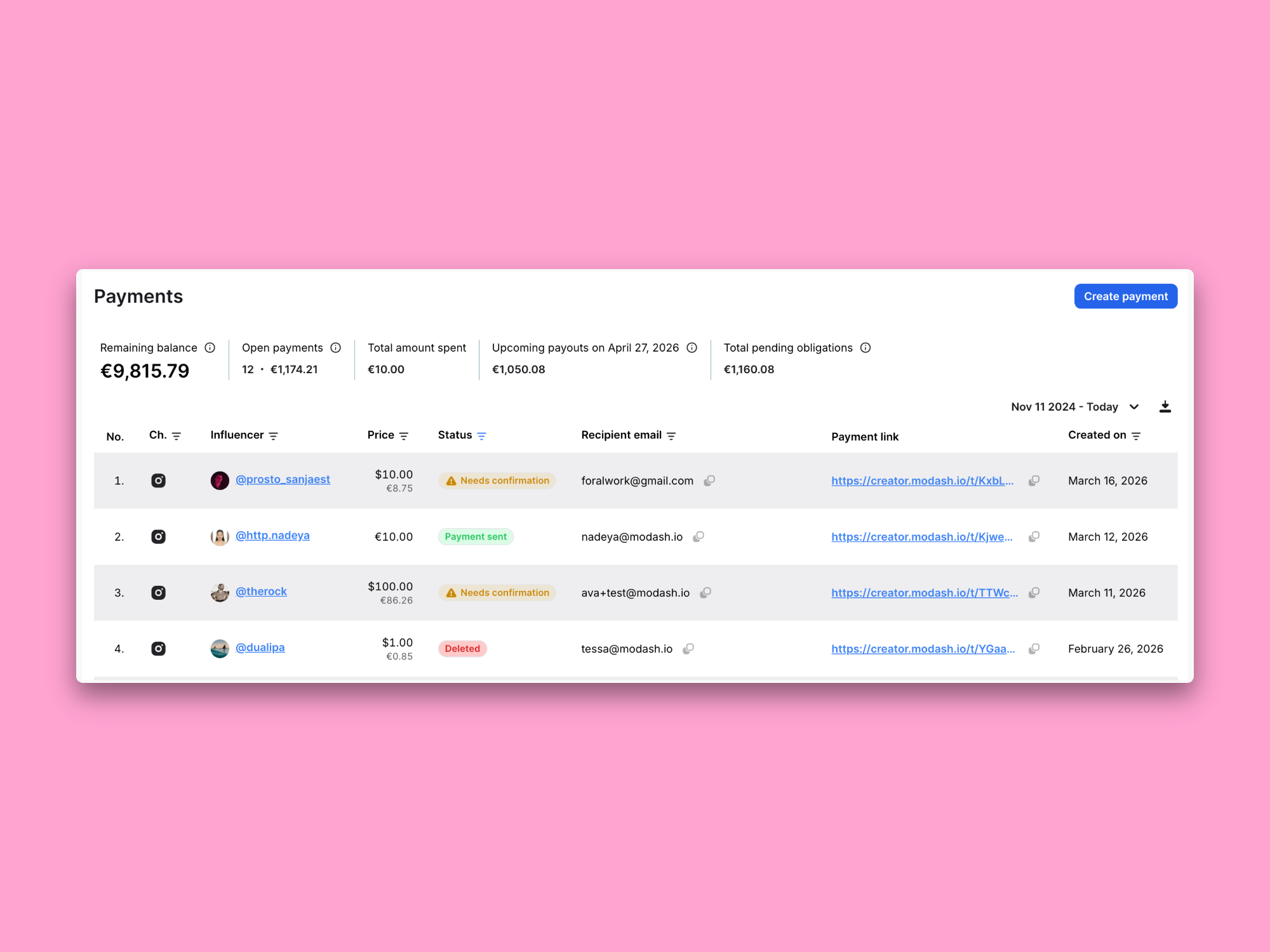
Sie müssen nur Ihren Shopify-Shop verbinden, die oben besprochenen Regeln festlegen, und jeden Monat die einzige Modash-Rechnung bezahlen. Das ist wirklich alles. Ihr operativer Aufwand wird nie ausufern, egal wie schnell Ihr Programm wächst.
Hinweis: Halten Sie alle Auszahlungsregeln, die Sie festlegen, schriftlich fest und teilen Sie sie während des Onboardings mit jedem Affiliate. Unklarheiten beim Thema Geld sind der schnellste Weg, die Beziehung zu einem Creator zu beeinträchtigen. Kommunizieren Sie transparent, wann sie bezahlt werden, wie viel sie zunächst verdienen müssen und was bei Rückgaben passiert.
Ganz gleich, ob Sie den Inhouse- oder Hybridansatz wählen – Sie benötigen ein Tool, um alles zu verwalten. Der Versuch, ein Affiliate-Programm über Tabellenkalkulationen und manuelles Tracking zu verwalten, funktioniert vielleicht für Ihre ersten drei oder vier Affiliates, aber sobald Sie skalieren, bricht dieses System schnell zusammen. Fiorella bestätigt das:
Wenn Sie sich entscheiden, das Programm intern zu betreiben, muss dies dennoch über ein Affiliate-Tool erfolgen (es sei denn, Sie planen, die Anzahl der Affiliates sehr niedrig zu halten). Ohne ein Tool können die Abläufe unübersichtlich und unnötig kompliziert werden, und Affiliates verlieren den Überblick über ihre Performance.
Tabellenkalkulationen und manuelles Tracking funktionieren vielleicht für Ihre ersten drei oder vier Affiliates, aber sobald Sie skalieren, brechen sie schnell zusammen. Die Frage ist nicht, ob Sie Software benötigen – sondern wie viel Ihres Workflows Sie an einem Ort bündeln möchten, statt verschiedene Tools zusammenzustückeln.
Das ist der effizienteste Weg, wenn Sie es mit dem Aufbau eines skalierbaren Programms ernst meinen. Statt ein Tool für die Recherche, ein anderes fürs Tracking, eine Tabelle für Auszahlungen und Ihr E-Mail-Programm für die Ansprache zusammenzustückeln, verwalten Sie alles über eine einzige Plattform, auf der der Kontext bei jedem Creator erhalten bleibt.
So deckt Modash den gesamten Affiliate-Lebenszyklus ab:
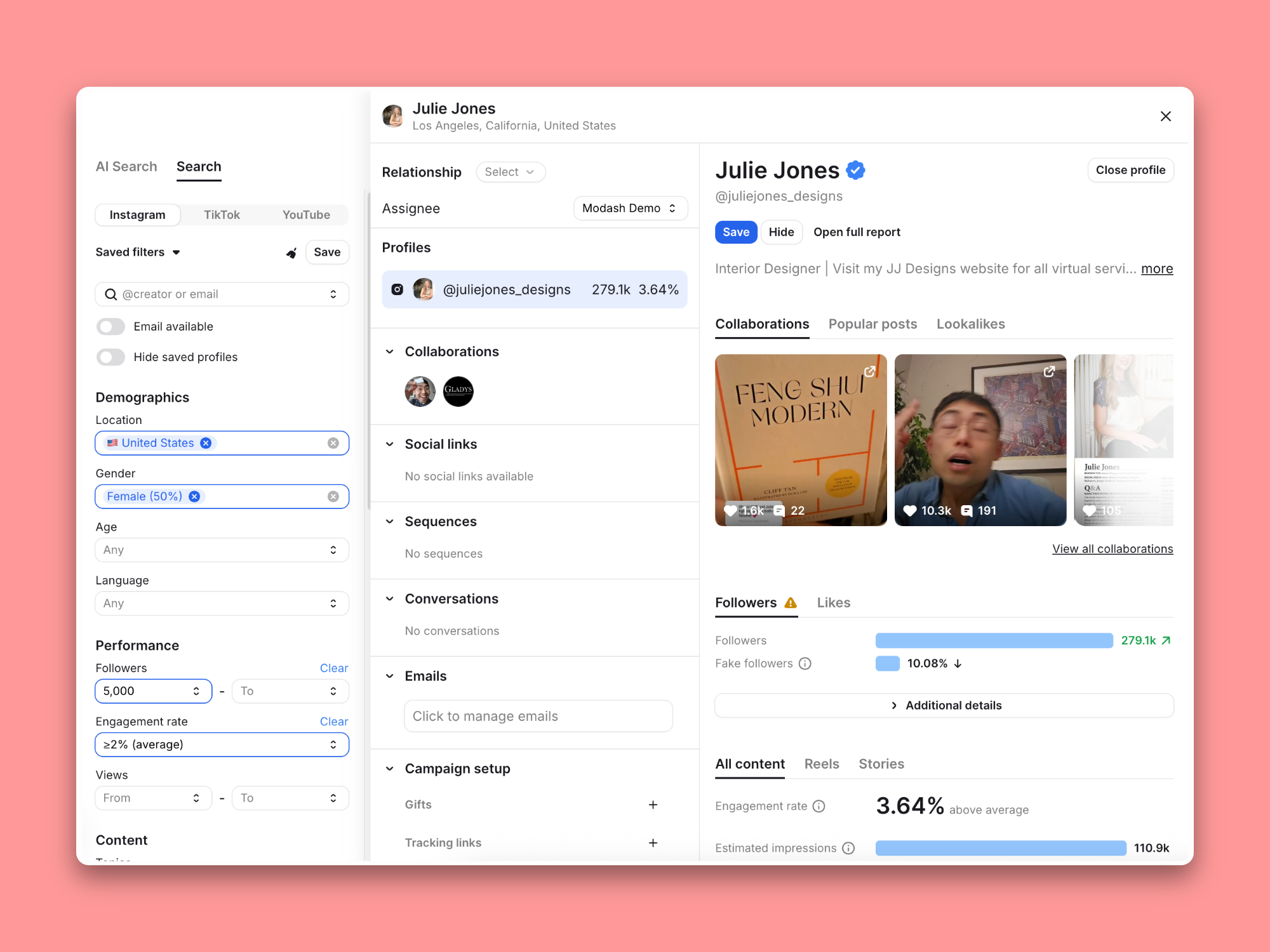
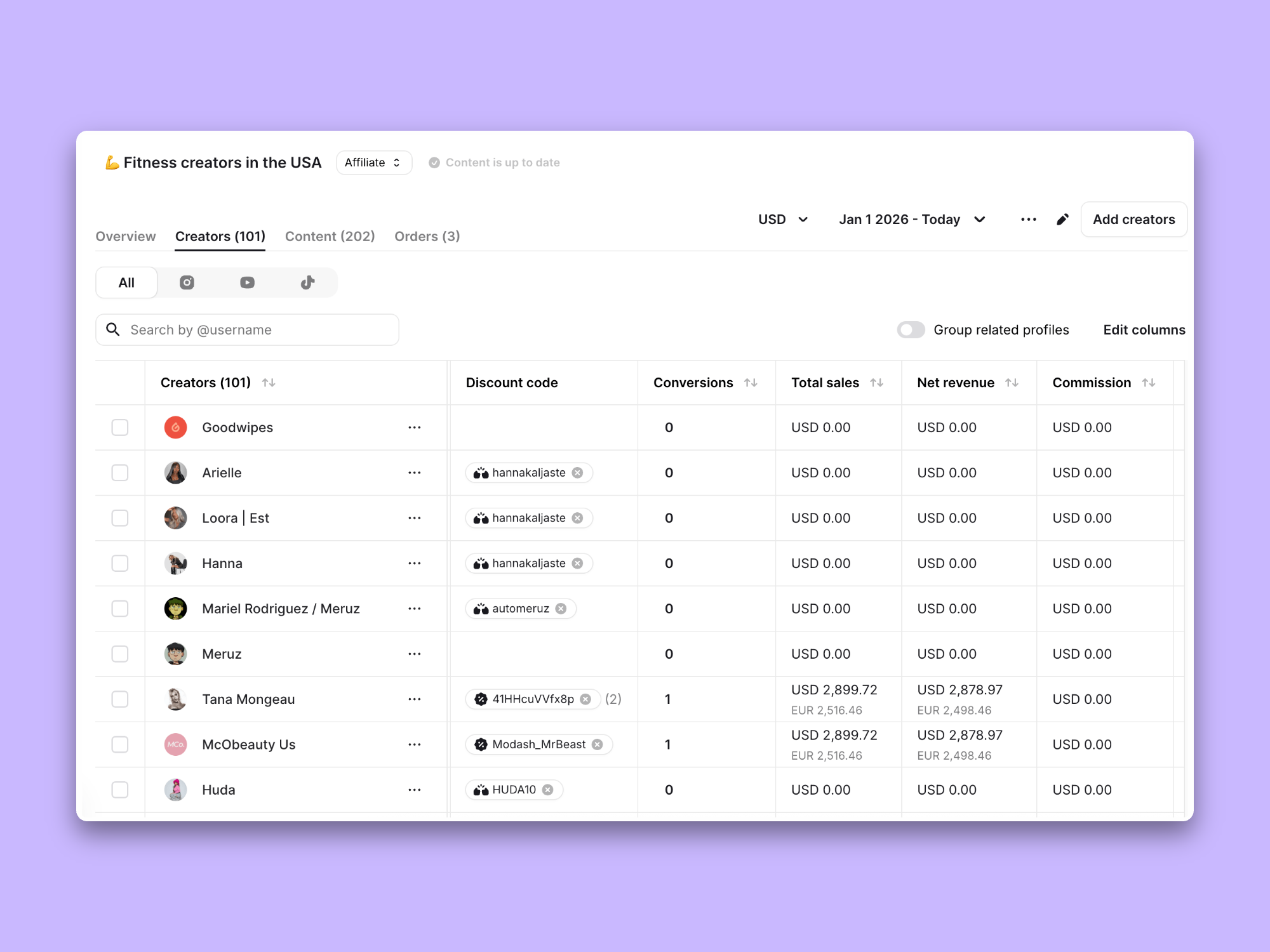
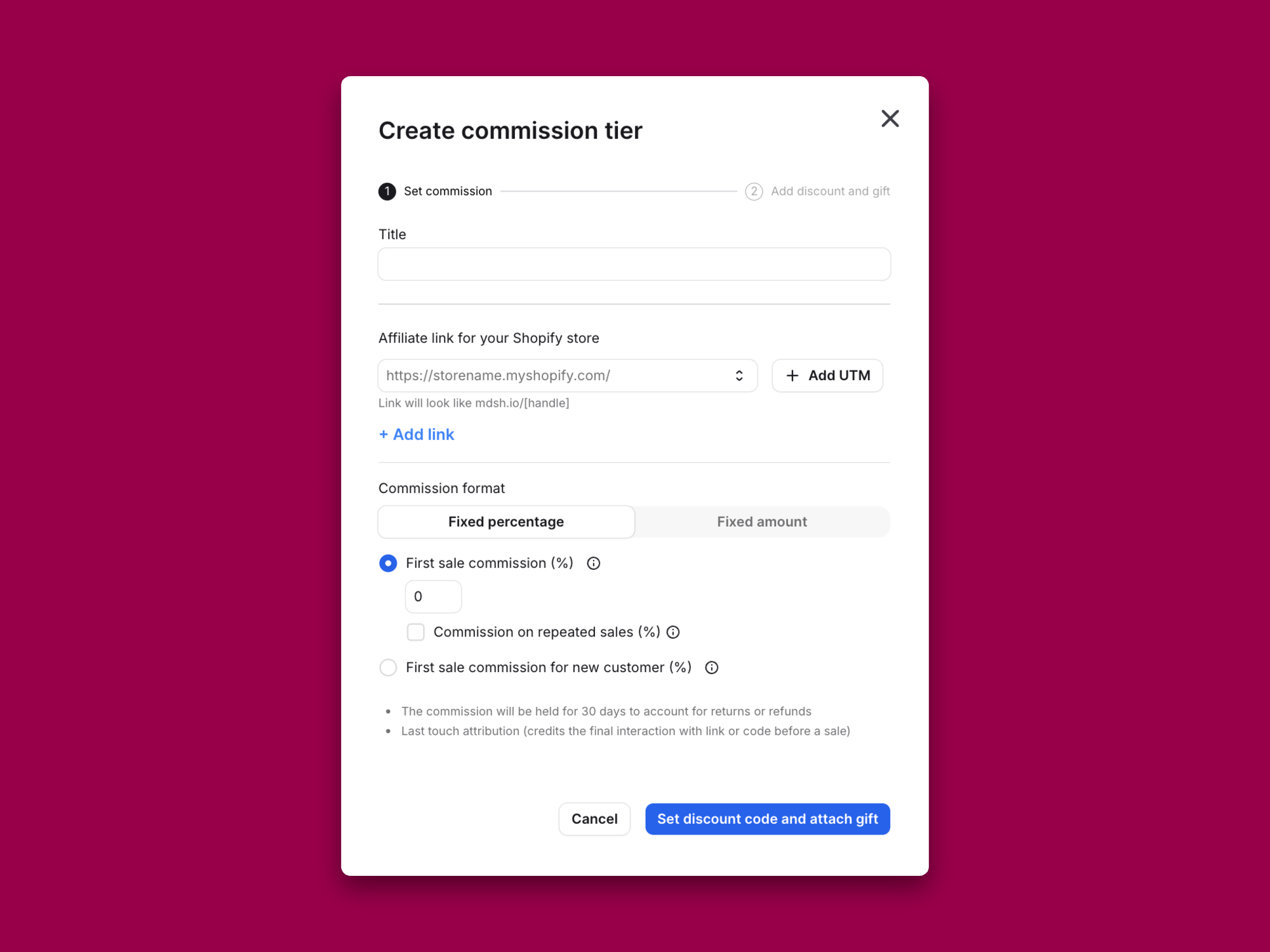
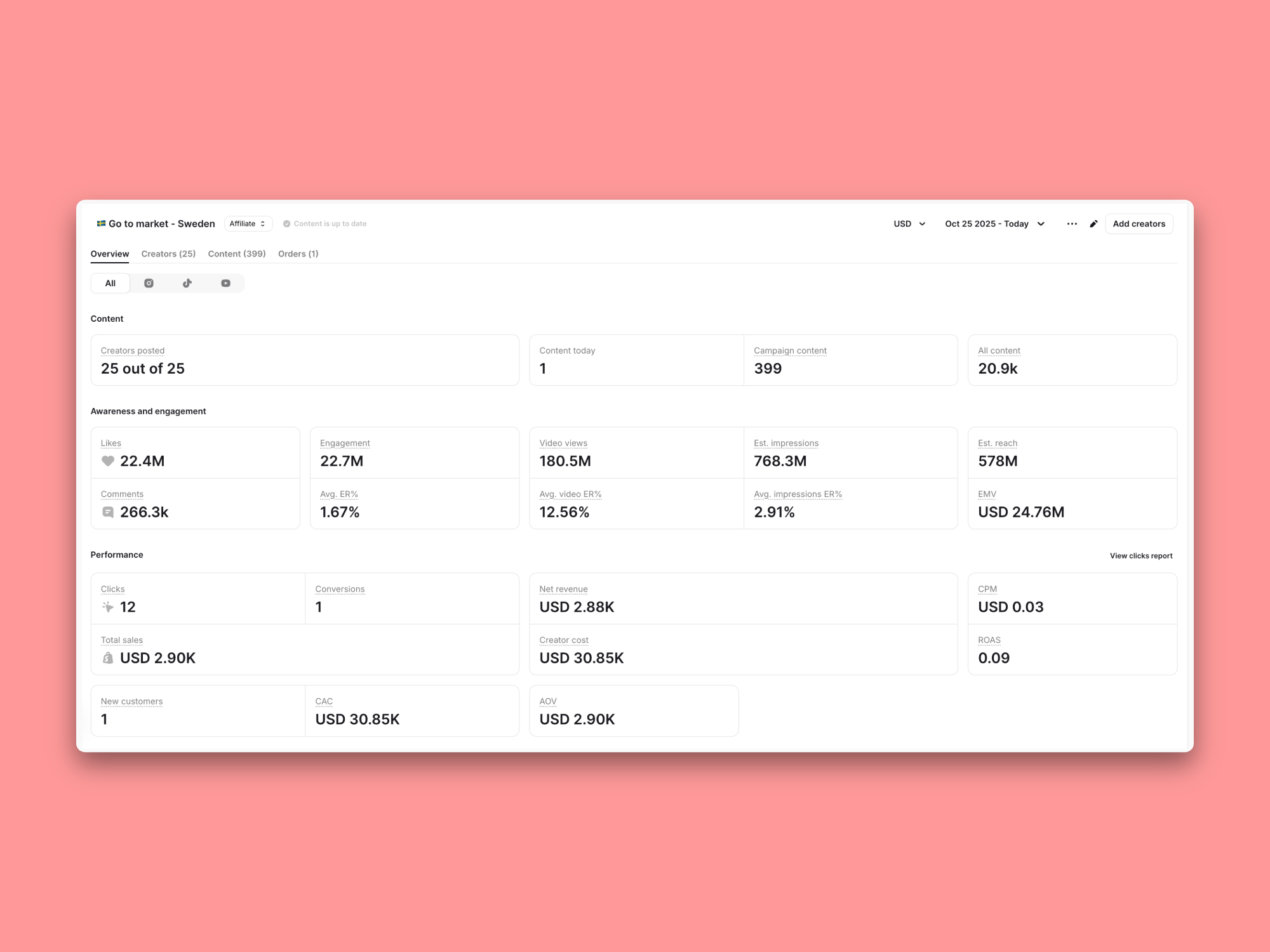
Der Vorteil, wenn all das miteinander verbunden ist: Sie müssen nie eine Tabelle abgleichen, um herauszufinden, wer welches Produkt erhalten hat, in welcher Provisionsstufe er oder sie sich befindet und wann zuletzt etwas gepostet wurde. Alles ist an einem Ort.
Sie müssen nicht gleich am ersten Tag in den kompletten Stack investieren. Wenn Sie ein kleineres Programm betreiben – also mit weniger als 10 Affiliates – oder noch testen, ob Affiliate-Marketing der richtige Kanal für Sie ist, beginnen Sie damit, die Aufgaben zu automatisieren, die operativ den größten Aufwand verursachen.
Für die meisten Marken sind Auszahlungen die frustrierendste, aber notwendige Verwaltungsaufgabe. In den meisten Programmen sind sie die mit Abstand mühsamste Verwaltungsaufgabe – und diejenige, die das Vertrauen von Creators am schnellsten beschädigt, wenn etwas schiefläuft. Den Überblick darüber zu behalten, wer welchen Betrag erhält, Rechnungen zu bearbeiten, Währungen umzurechnen und Steuerformularen hinterherzulaufen – all das ist unabhängig von der Größenordnung ein Chaos (und noch viel mehr, wenn internationale Creators beteiligt sind).
Modash bietet Zahlungen auch als eigenständiges Tool an, sodass Sie Auszahlungen in über 180 Ländern automatisieren können, selbst wenn Sie den Rest der Plattform noch nicht nutzen.

Nach den Auszahlungen sollten Sie Tracking und Attribution automatisieren. Bestellungen manuell Creators zuzuordnen, ihre Provisionen zu berechnen und herauszufinden, wie viel jeder Affiliate erhalten soll, ist ein enormer Aufwand. Suchen Sie nach einem Tool, das sich mit Ihrem Shopify-Shop verbindet, automatisch Rabattcodes erstellt und die richtige Zuordnung zum jeweiligen Creator übernimmt. Dadurch wird auch das Reporting deutlich einfacher.
In der Anfangsphase ist es in Ordnung, die Creator-Suche und -Ansprache manuell zu erledigen, wenn Sie sich das noch nicht leisten können. Wenn Sie jeweils nur eine Handvoll Affiliates gewinnen, können Sie dies über Ihr eigenes Netzwerk, das Durchsuchen sozialer Netzwerke und persönliche E-Mails erledigen. Es ist langsamer, funktioniert aber im kleinen Maßstab. Automatisieren Sie diesen Prozess, sobald Sie mehr Affiliates gewinnen müssen, als Sie manuell betreuen können – meist ab etwa 20 Affiliates.
Manche Marken setzen ein Tool zur Creator-Suche, eine separate Plattform für Affiliate-Tracking, eine Shopify-App für Codes, ihr E-Mail-Programm für die Ansprache und eine Tabelle ein, um alles zusammenzuführen. Das kann zu erheblichem Tool-Überdruss und einem riesigen Chaos führen, wenn Sie wachsen und alles konsolidieren möchten.
Am besten automatisieren Sie zu Beginn Auszahlungen und Tracking und wechseln später zu einem All-in-One-Tool, das alles für Sie erledigen kann.
Für einen genaueren Einblick in die Automatisierungsmöglichkeiten in jeder Phase lesen Sie unseren Leitfaden zur Automatisierung des Affiliate-Marketings.
Ihr Tracking-Setup verbindet die Inhalte eines Affiliates mit tatsächlichen Verkäufen. Wenn Sie es falsch einrichten, ordnen Sie Umsätze entweder falsch zu, bezahlen Creators zu wenig oder wissen nicht, ob Ihr Affiliate-Programm tatsächlich funktioniert.
Es gibt zwei zentrale Tracking-Mechanismen:
Wenn du beides nutzt, hast du ein Sicherheitsnetz. Der Code erfasst den Kunden, der den Beitrag gesehen, aber nicht auf den Link geklickt hat. Der Link erfasst den Kunden, der auf den Link geklickt, aber vergessen hat, den Code beim Checkout einzugeben.
Ein paar Dinge beim Tracking, die du von Anfang an richtig machen solltest:
Die Realität beim Affiliate-Tracking ist, dass es nie vollkommen sauber ist. Kunden wechseln Geräte, deaktivieren Cookies, vergessen, Codes zu verwenden, oder finden deine Website über einen völlig anderen Kanal, nachdem sie den Beitrag eines Creators gesehen haben.
Hier verlieren viele Programme das Vertrauen ihrer Affiliates – denn Creator sehen das Engagement bei ihren Beiträgen, aber die Verkäufe erscheinen nicht in ihrem Dashboard.
Die häufigsten Probleme:
Dies ist einer der Bereiche, in denen Modash besonders viel Zeit spart. Da Modash nativ in Shopify integriert ist, können Sie Rabattcodes und Tracking-Links direkt über das Profil eines Creators erstellen und verwalten – ohne zwischen Plattformen wechseln oder Codes manuell eingeben zu müssen. Den gesamten Verlauf der Zusammenarbeit mit einem Affiliate sehen Sie im Handumdrehen.
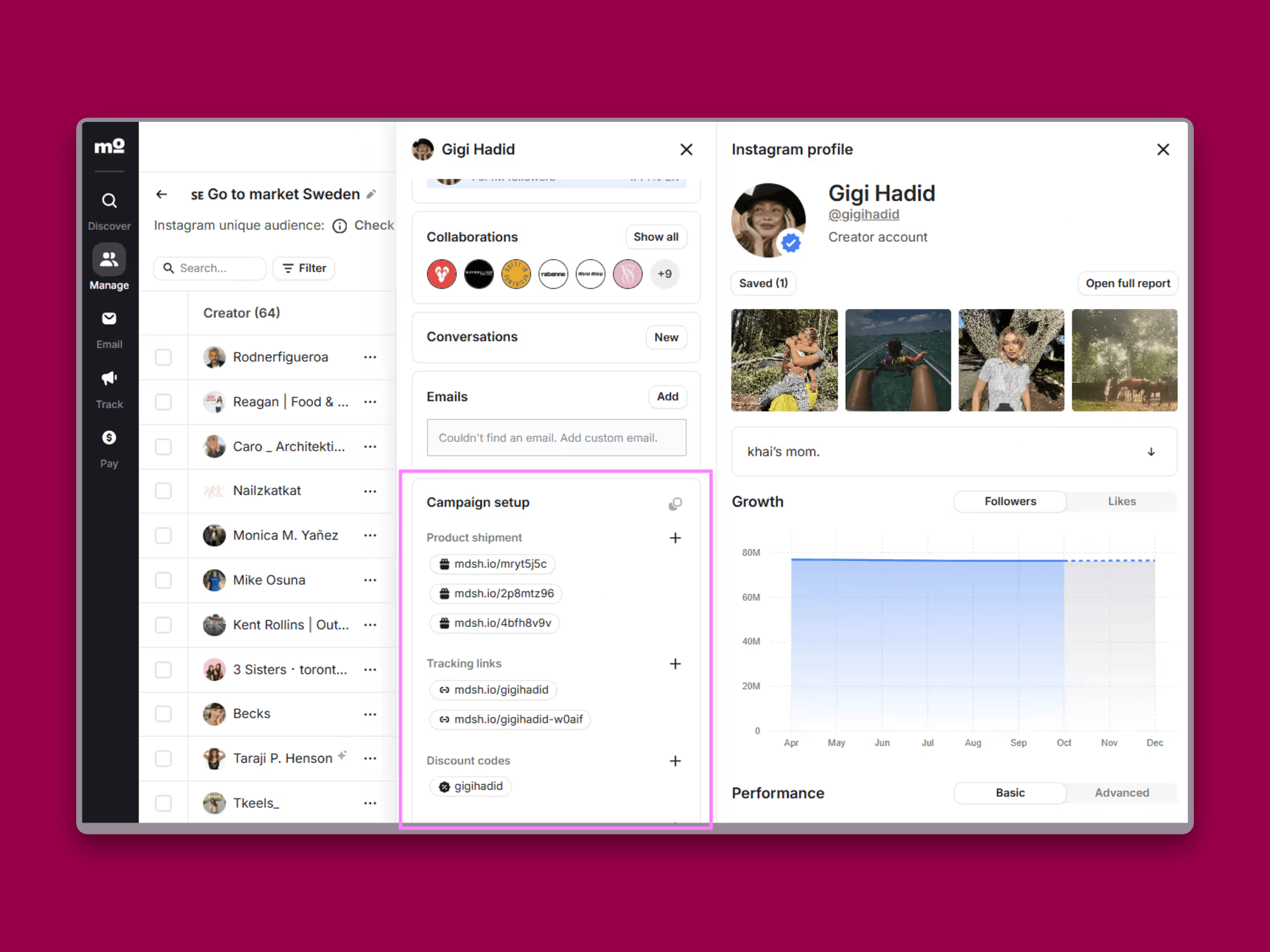
Sobald ein Verkauf stattfindet, erscheint er in Echtzeit im Dashboard des Creators, der richtigen Person zugeordnet, mit Klicks, Conversions und Umsatz in einer Ansicht.
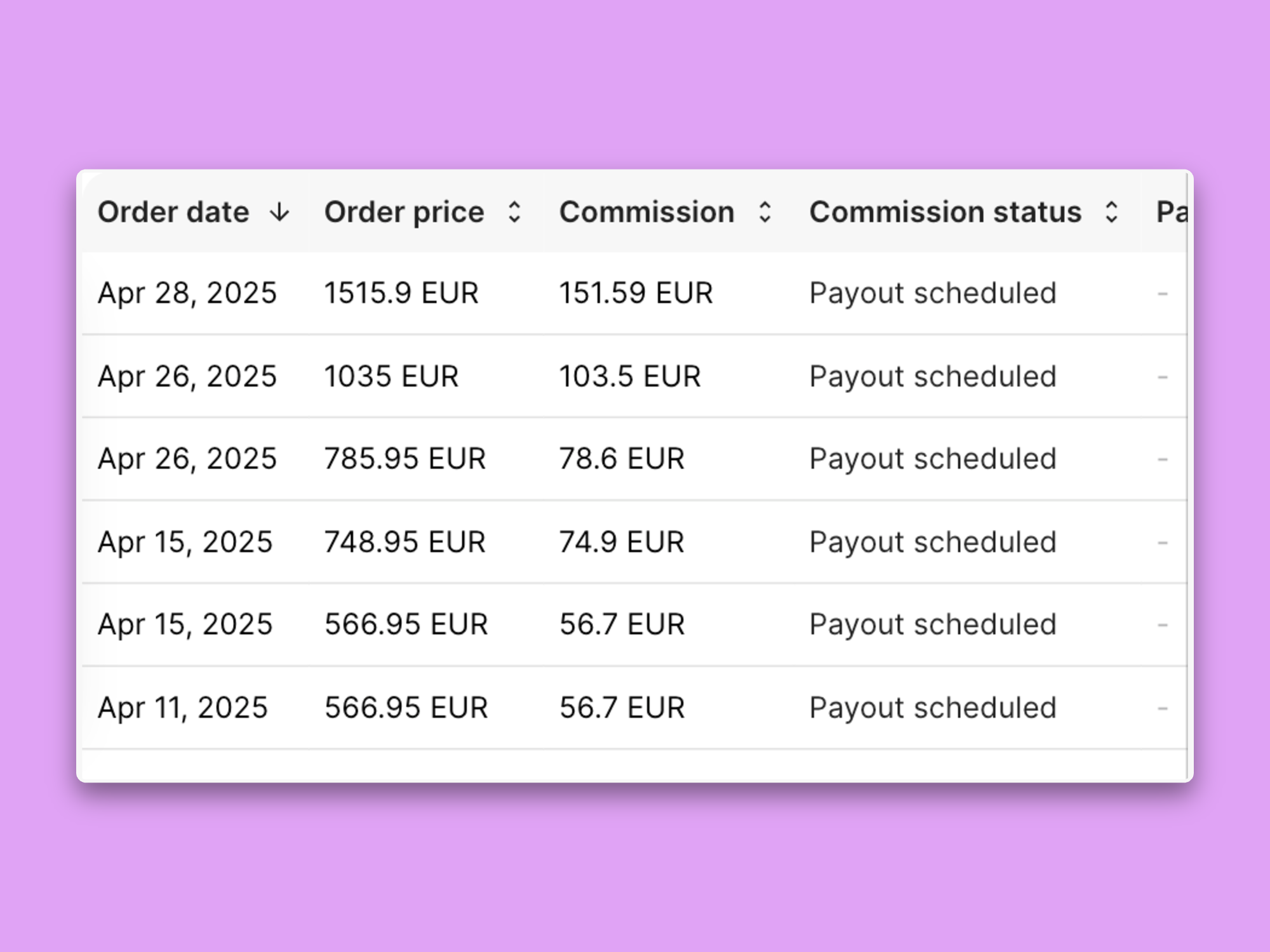
Sie können außerdem für jede Kampagne individuelle Attributionszeiträume festlegen, sodass Sie nicht an einen Einheitsansatz gebunden sind. Und da alles – Codes, Links, Verkaufsdaten, Creator-Profile – auf derselben Plattform verfügbar ist, müssen Sie keine Daten aus drei verschiedenen Tools abgleichen, um herauszufinden, was funktioniert.
Code-Abgreifen – wenn der Rabattcode eines Affiliates auf einer Coupon-Aggregator-Website landet – ist ein Problem, mit dem fast die Hälfte der von uns befragten Marketer zu kämpfen hat.
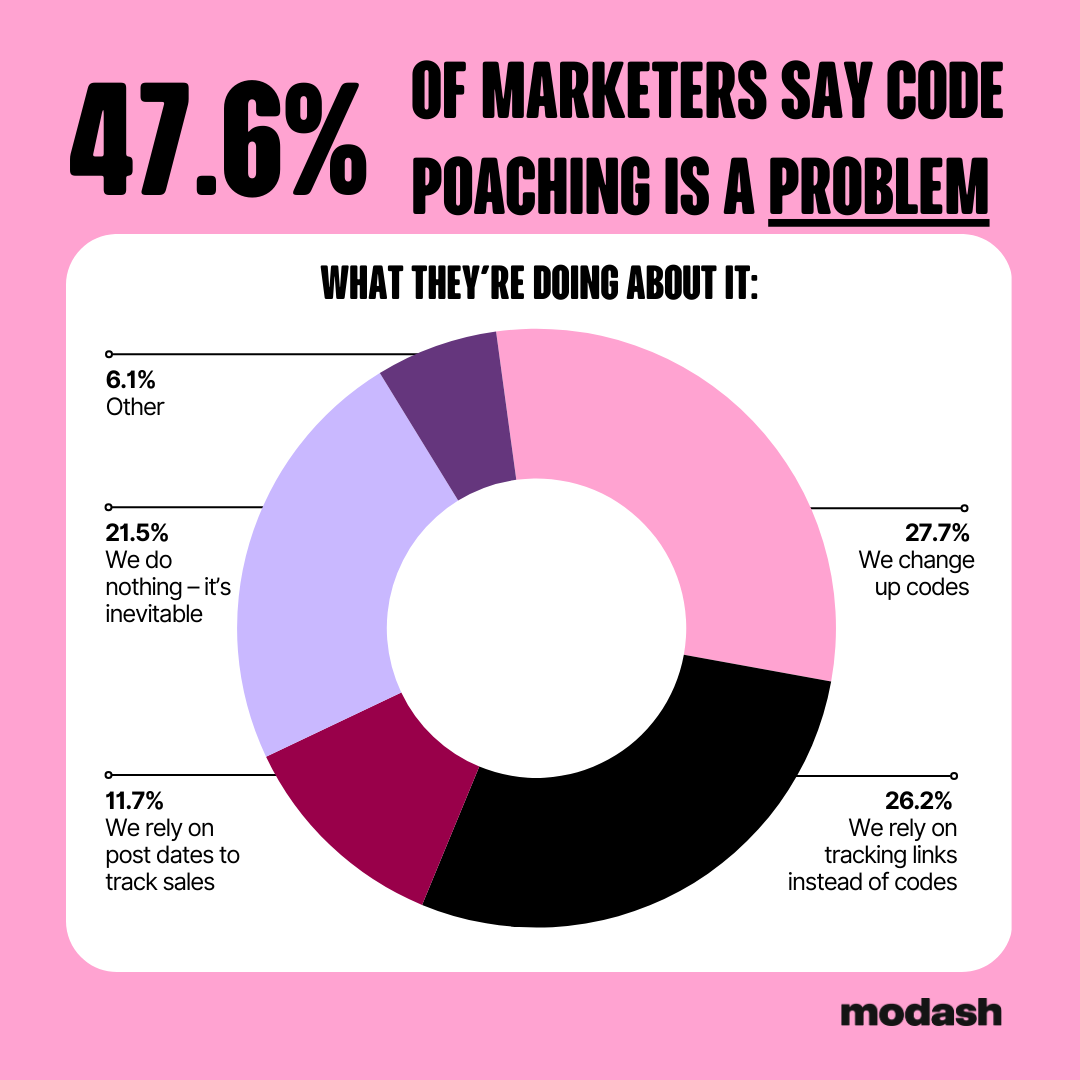
Es verfälscht die Attribution und kann die Zahlen eines Affiliates durch Verkäufe erhöhen, die er nicht tatsächlich erzielt hat.
Es gibt keine perfekte Lösung, aber hier sind einige Möglichkeiten, damit umzugehen:
Etwa 20 % der von uns befragten Marketer unternehmen nichts gegen das Abgreifen von Codes, weil sie es für unvermeidbar halten. Wenn es Ihre Attribution nicht massiv beeinträchtigt, ist das vielleicht die richtige Entscheidung – der operative Aufwand, Codes ständig zu wechseln, kann größer sein als das Problem selbst.
Affiliate-Landingpages helfen Ihnen bei der Inbound-Rekrutierung. Diese Seite kann auch als „Hier findest du alle Infos“-Seite für Affiliates dienen, die du über Outbound-Methoden gewinnst.
Viele Marken überspringen diesen Schritt oder erstellen ein allgemeines Formular und halten die Sache damit für erledigt. Das ist eine verpasste Chance. Deine Affiliate-Landingpage erfüllt zwei Aufgaben zugleich: Sie überzeugt Creator:innen davon, warum dein Programm ihre Zeit wert ist, und filtert Personen heraus, die nicht gut dazu passen.
Das gehört auf deine Landingpage:
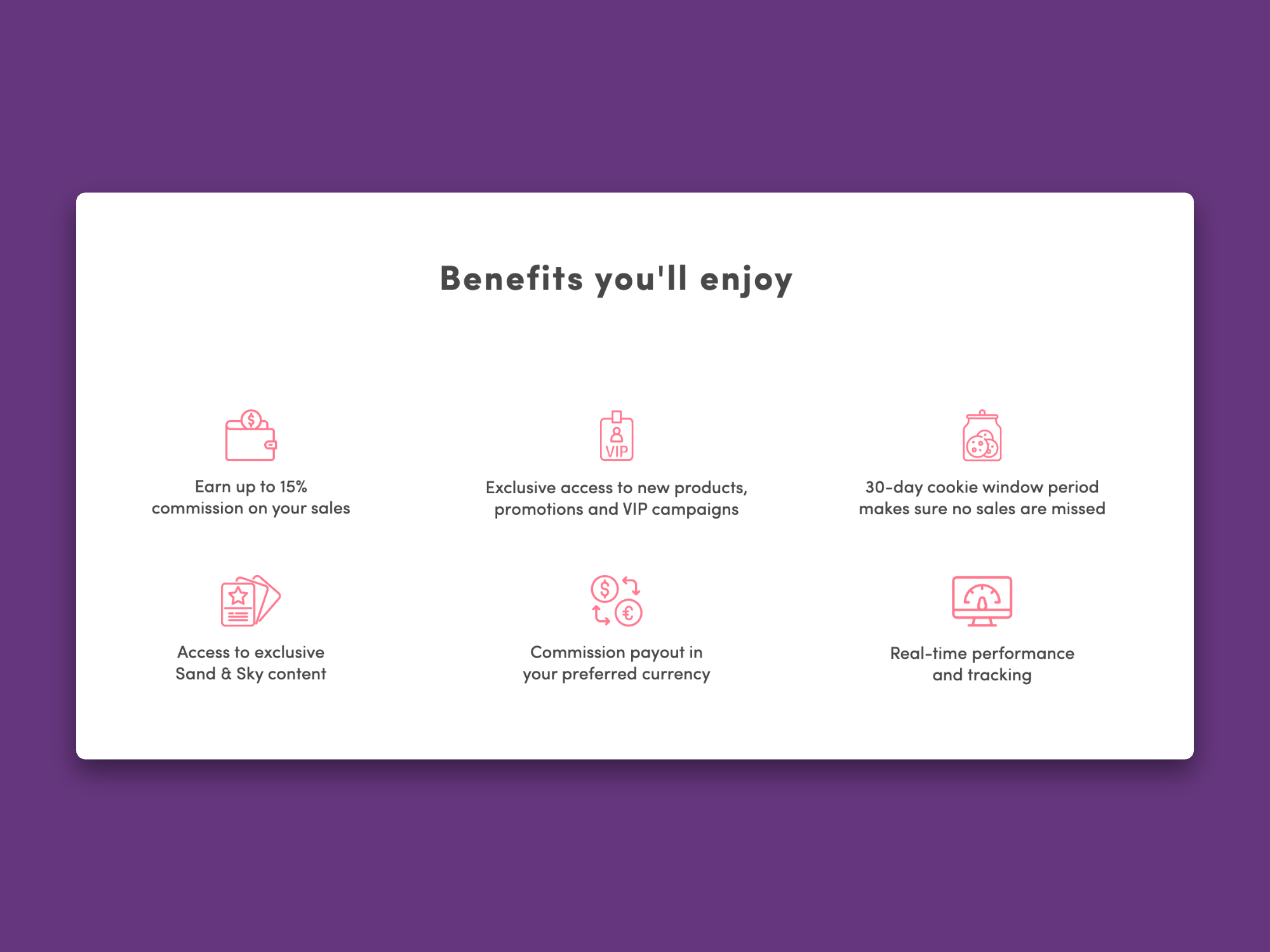
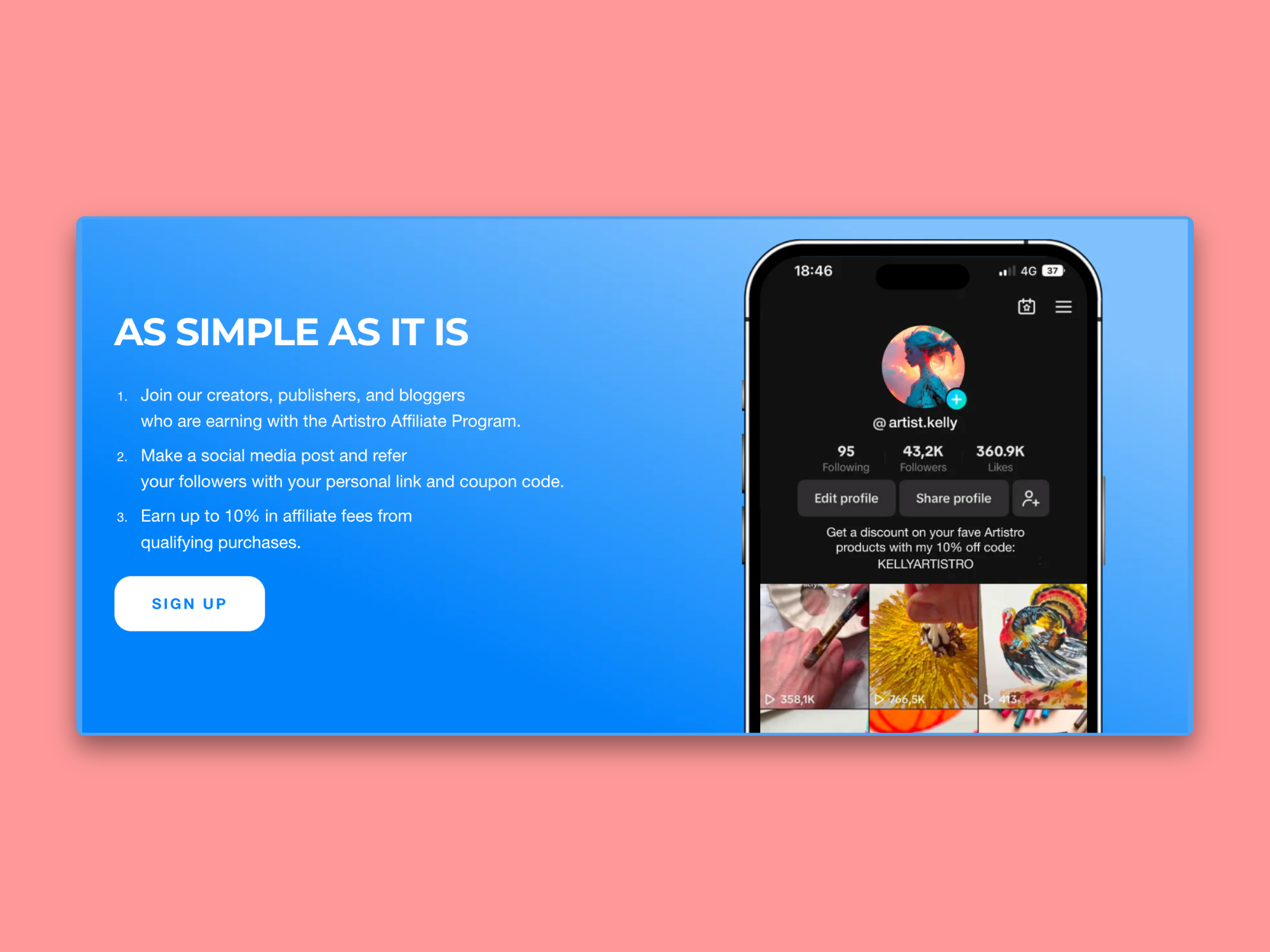
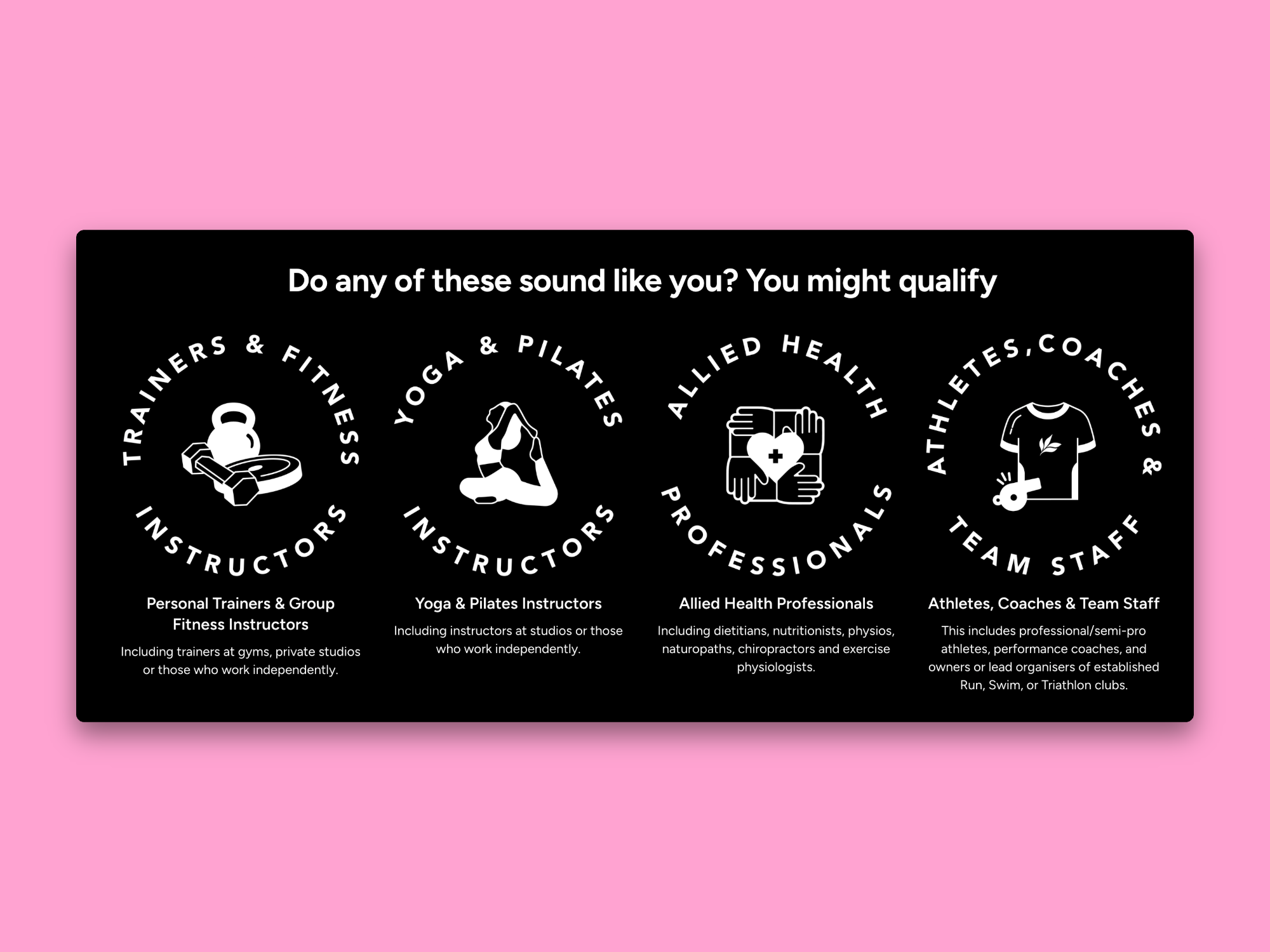

Der gemeinsame Nenner: Sie stellen in den Vordergrund, was Affiliates davon haben, machen klar, wen sie suchen, und gestalten die Bewerbung einfach.
Du kannst deine Landingpage auch nutzen, um die Bedingungen deines Programms zu teilen und so die operativen und rechtlichen Aspekte abzudecken. Das muss kein 20-seitiger Vertrag sein, sollte aber Folgendes enthalten:
Pura Vida teilt beispielsweise seine Vertragsdetails, bevor potenzielle Affiliates Zeit damit verbringen, das Formular auszufüllen, um Affiliate-Partner zu werden.
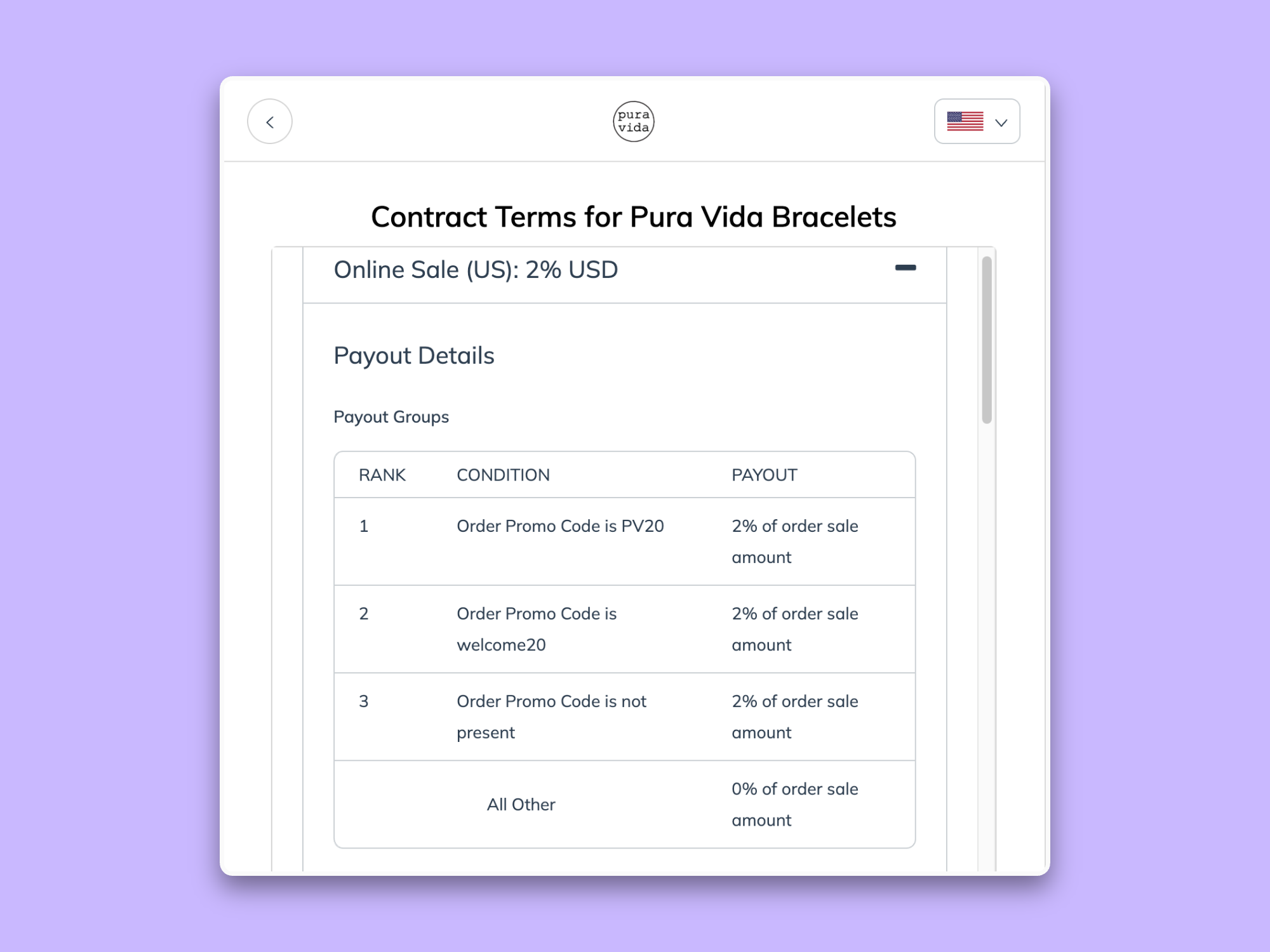
Halten Sie Ihre Bedingungen schriftlich fest, teilen Sie sie während des Onboardings mit und stellen Sie sicher, dass beide Seiten Klarheit haben, bevor Inhalte online gehen.
Die ersten Affiliates zu finden, ist einer der wichtigsten und zeitaufwendigsten Teile beim Aufbau eines Programms – aber es muss nicht kompliziert sein. Entscheidend ist, zu wissen, wo Sie suchen müssen, und bewusst zu entscheiden, wen Sie aufnehmen. Eine kleine Auswahl gut passender Creators wird einer großen Anzahl zufälliger Anmeldungen immer überlegen sein.
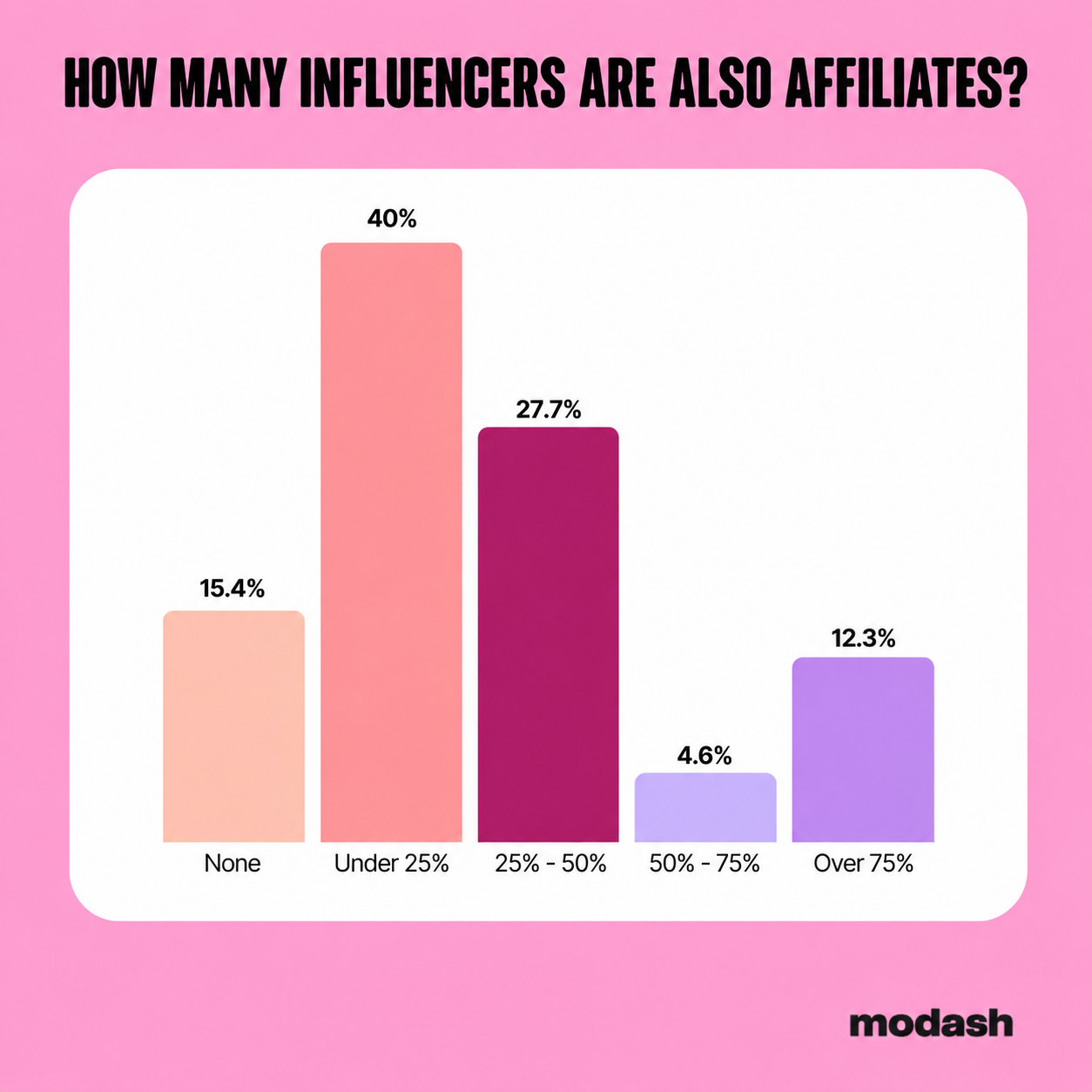
Ihre besten Affiliates befinden sich wahrscheinlich bereits in Ihrem Umfeld. Unsere Umfrage ergab, dass fast die Hälfte der Marketingfachleute ständig neue Affiliates rekrutiert, die bereits vorhandenen Partner jedoch kaum nutzt – die Hälfte der Befragten gab an, dass weniger als ein Viertel ihrer Influencer-Partner zugleich Affiliates sind. Das ist eine große verpasste Chance.
Beginnen Sie mit den Personen, die Sie bereits kennen:
Nachdem Sie die Ressourcen genutzt haben, die Ihnen bereits zur Verfügung stehen, können Sie Ihre Suche nach Affiliates ausweiten:

Die KI-Suche von Modash kann dir dabei helfen, Creator mit natürlicher Sprache zu finden – zum Beispiel: „Outdoor-Mama-Creator mit Clean-Skincare-Content.“ Sie zeigt dir passende Creator-Profile an, und mit zusätzlichen Filtern kannst du deine Suche noch genauer eingrenzen.
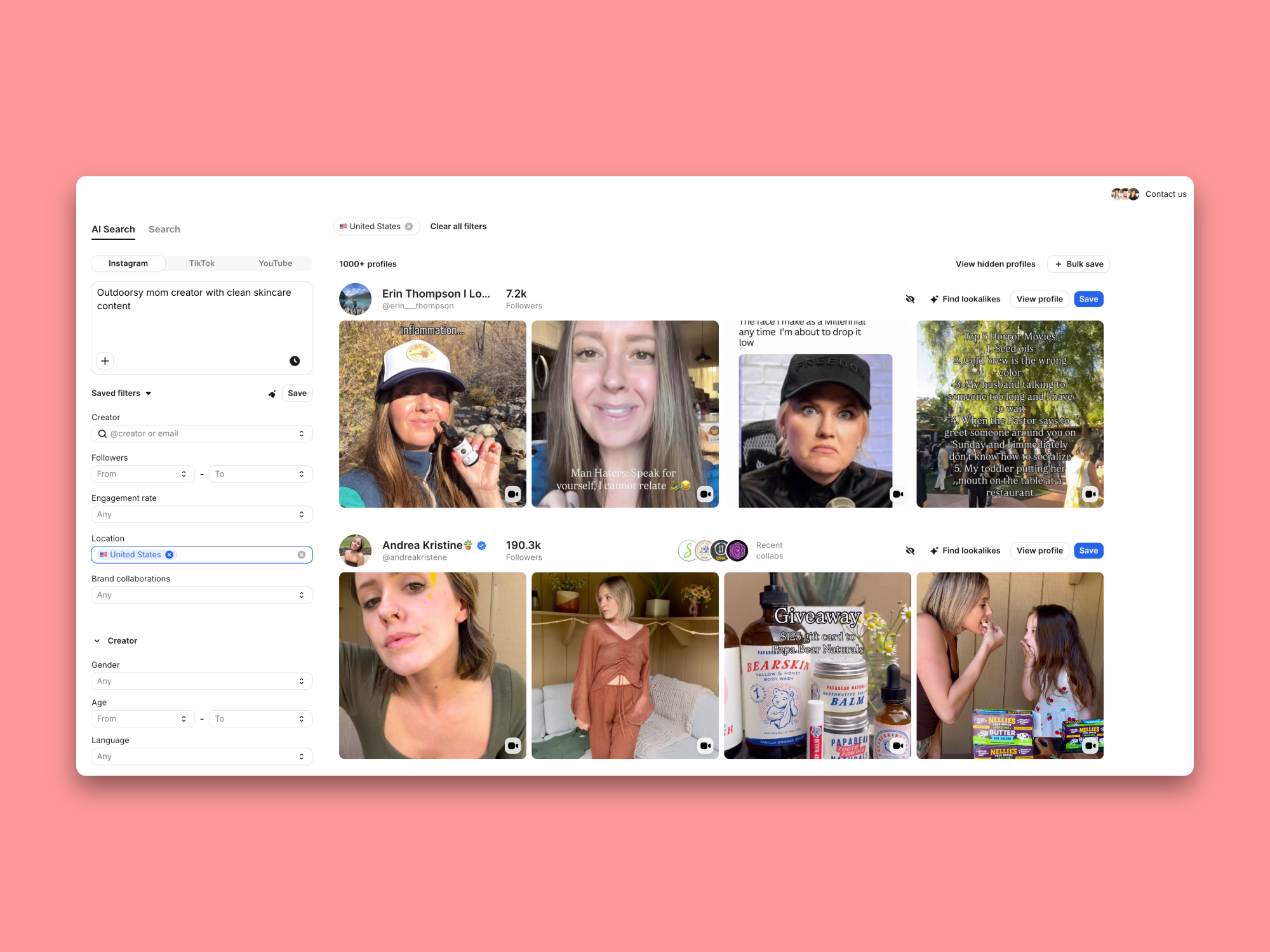

Denk daran: Creator gründlich zu prüfen, ist genauso wichtig wie die richtigen zu finden. Nicht jeder Creator, der auf den ersten Blick gut aussieht, ist auch ein guter Affiliate. Bevor du jemanden aufnimmst – unabhängig davon, ob die Person sich über deine Landingpage beworben hat oder du sie proaktiv gefunden hast –, prüfe, ob sie wirklich zu deiner Marke passt.
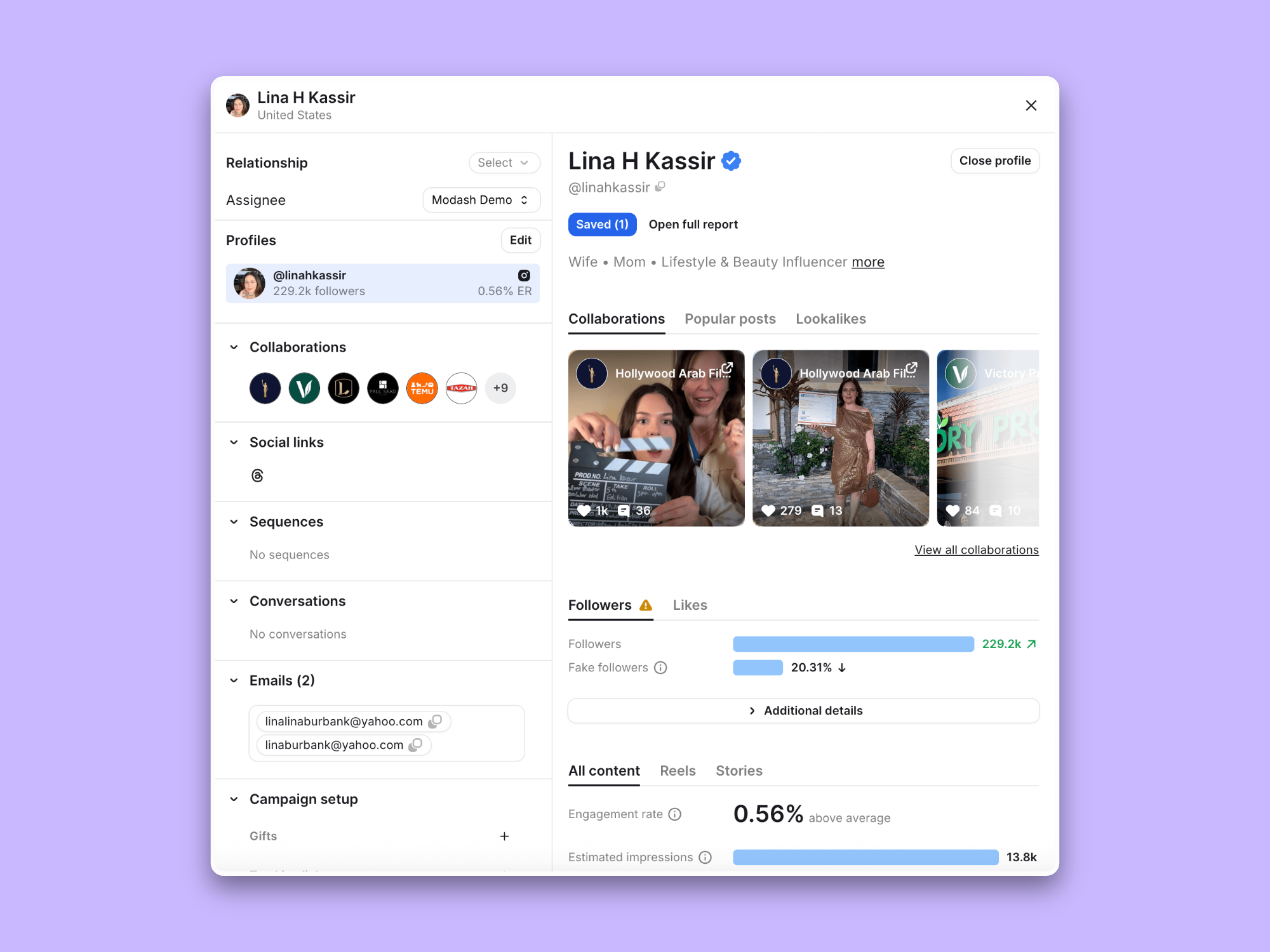
Modash zeigt dir die vollständige Aufschlüsselung eines Creators – Demografie, Standorte, Interessen, gesponserte Inhalte, besonders erfolgreiche Beiträge usw. – damit du in Sekunden erkennst, ob ein Creator wirklich passt.
Creator zu finden, ist nur die halbe Arbeit. Du musst sie immer noch von einer Zusage überzeugen – und eine allgemeine E-Mail wie „Wir würden gerne mit dir zusammenarbeiten“ reicht dafür nicht aus, besonders wenn Creator jede Woche Dutzende solcher Nachrichten erhalten.
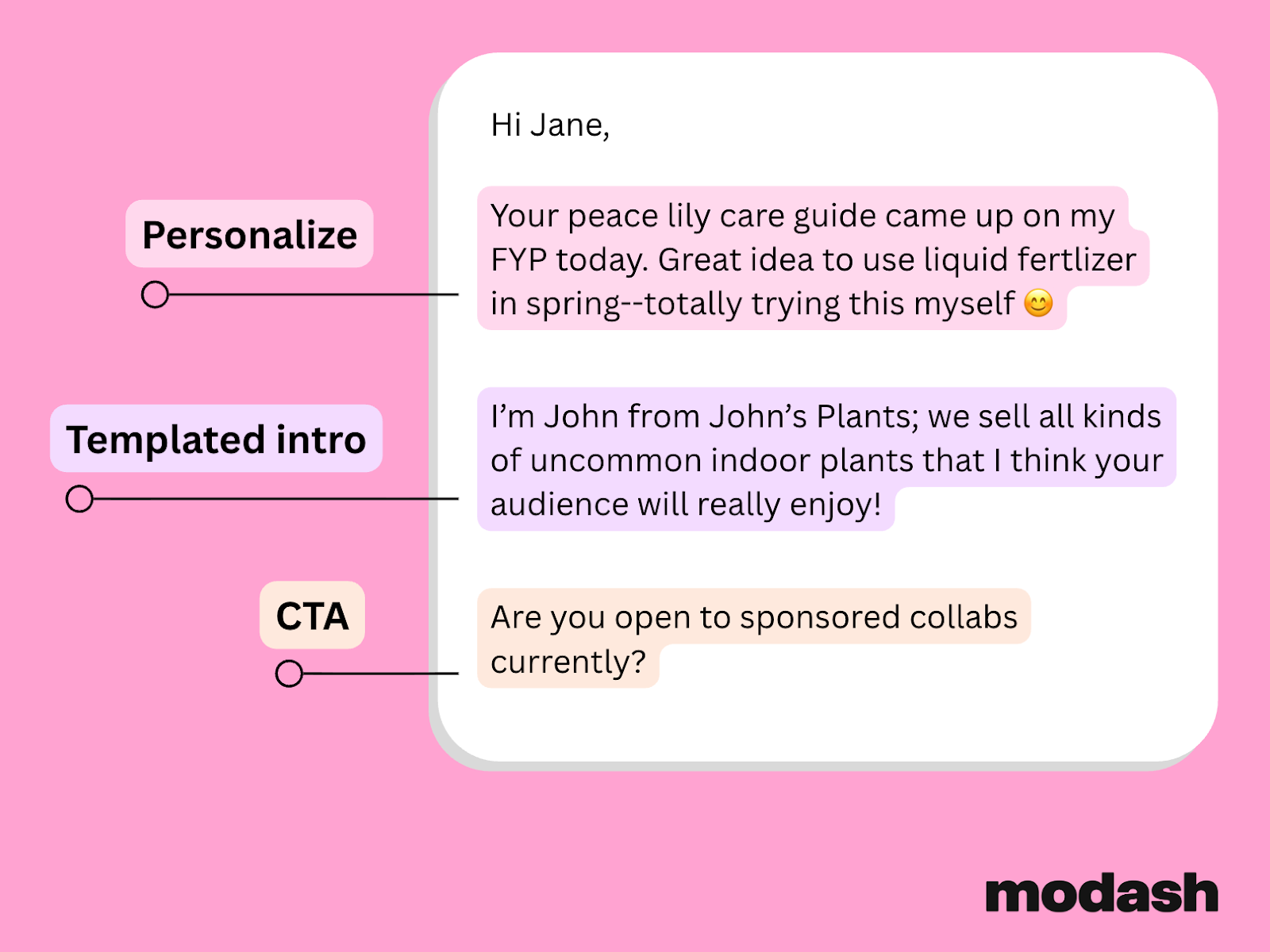
Die beste Ansprache erfüllt drei Kriterien: Sie zeigt, dass du dir die Inhalte wirklich angesehen hast, macht das Angebot klar und konkret und erleichtert die Zusage.
Das sollte deine Ansprache enthalten:
Die Infos zu deinem Affiliate-Programm kannst du als Vorlage verwenden, den Rest solltest du personalisieren. Hier ist ein Beispiel für eine gute, teilweise personalisierte Outreach-E-Mail:
In Modash kannst du die Ansprache direkt über die Plattform verwalten – während du schreibst, siehst du das vollständige Profil des Creators in der Seitenleiste. Das bedeutet, dass du ihre Engagement-Rate, aktuelle Inhalte, Zielgruppendemografien und frühere Markenkooperationen einsehen kannst, ohne zwischen Tabs wechseln zu müssen.

Du kannst für die Grundlagen auch Outreach-Vorlagen verwenden und sie für jeden Creator anpassen sowie automatisierte Follow-up-Sequenzen einrichten, die ausgelöst werden, wenn du keine Rückmeldung erhältst – damit du nicht manuell in einer Tabelle nachverfolgen musst, wer einen Anstoß braucht.

Für Outreach-Vorlagen, Tipps zur Personalisierung und eine vollständige Anleitung dazu, wie du neue Affiliates aktivierst, nachdem sie sich angemeldet haben, lies unseren Leitfaden zur Gewinnung und Aktivierung von Affiliates.
Die Gewinnung sorgt dafür, dass jemand zusagt. Das Onboarding entscheidet darüber, ob sie tatsächlich posten.
Nach der Anmeldung zerfallen viele Affiliate-Programme nach und nach. Ein Creator stimmt der Teilnahme zu, erhält einen Rabattcode in einer einzeiligen E-Mail und dann … nichts. Sie erhalten keine Anleitung dazu, was sie posten sollen, kein Produkt, mit dem sie arbeiten können, und keine Community, der sie sich anschließen können. Sie melden sich nicht mehr – und man kann es ihnen nicht verübeln.
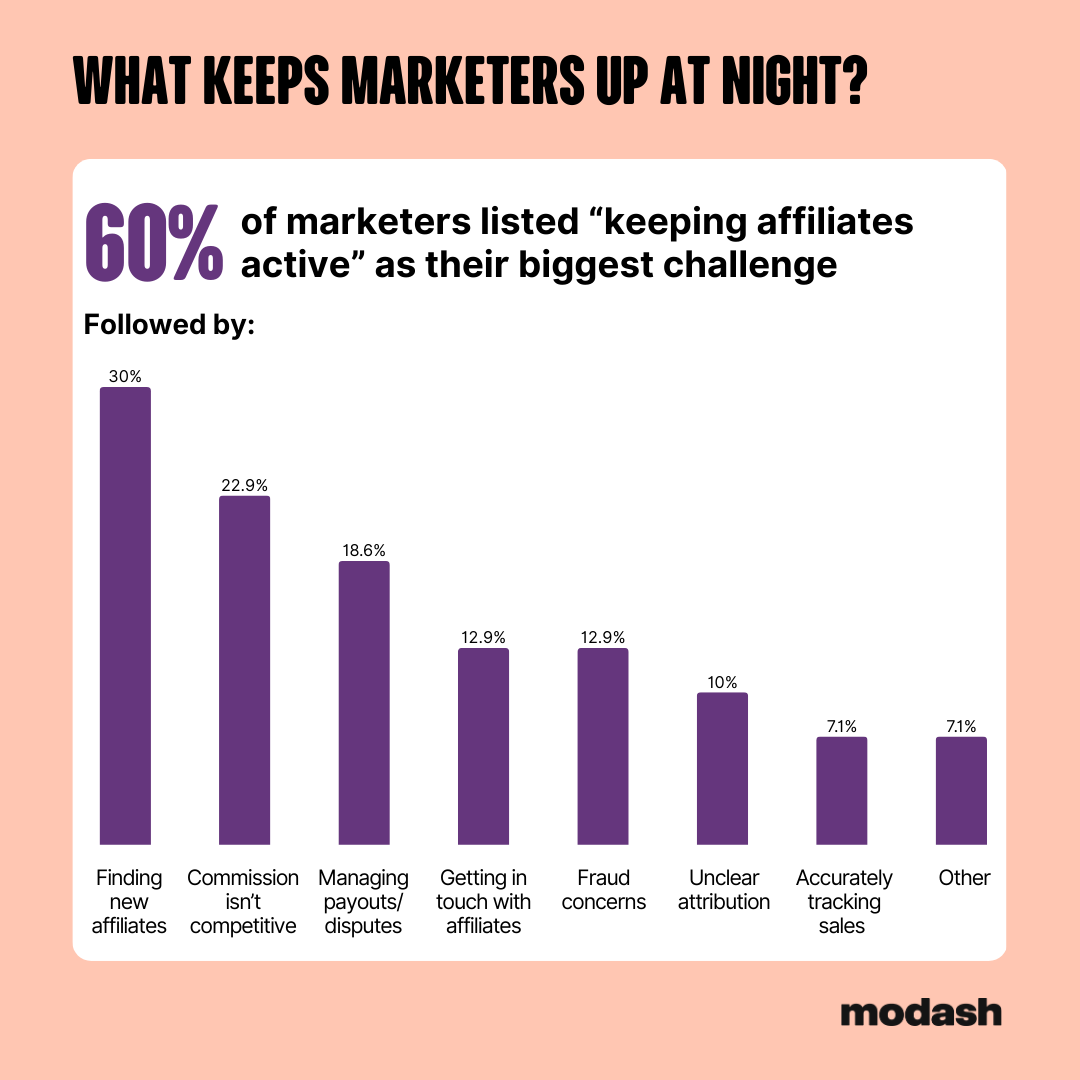
Unsere Umfrage ergab, dass 60 % der Marketer sagen, Affiliates aktiv zu halten sei ihre größte Herausforderung – doch fast 30 % beschreiben ihr Engagement als „passiv“. Der Zusammenhang zwischen diesen beiden Zahlen ist kein Zufall.
Nimm Folgendes in deinen Ablauf auf, um Affiliates gut einzuarbeiten und langfristig aktiv zu halten:
Manche Affiliates hören einfach auf zu posten, weil sie nicht genug Produkte haben, um neue Inhalte zu erstellen. Wenn du nicht aktiv mit ihnen in Kontakt bleibst, kann dies leicht als geringe Motivation oder mangelndes Interesse missverstanden werden, obwohl es in Wirklichkeit ein logistisches Problem ist.
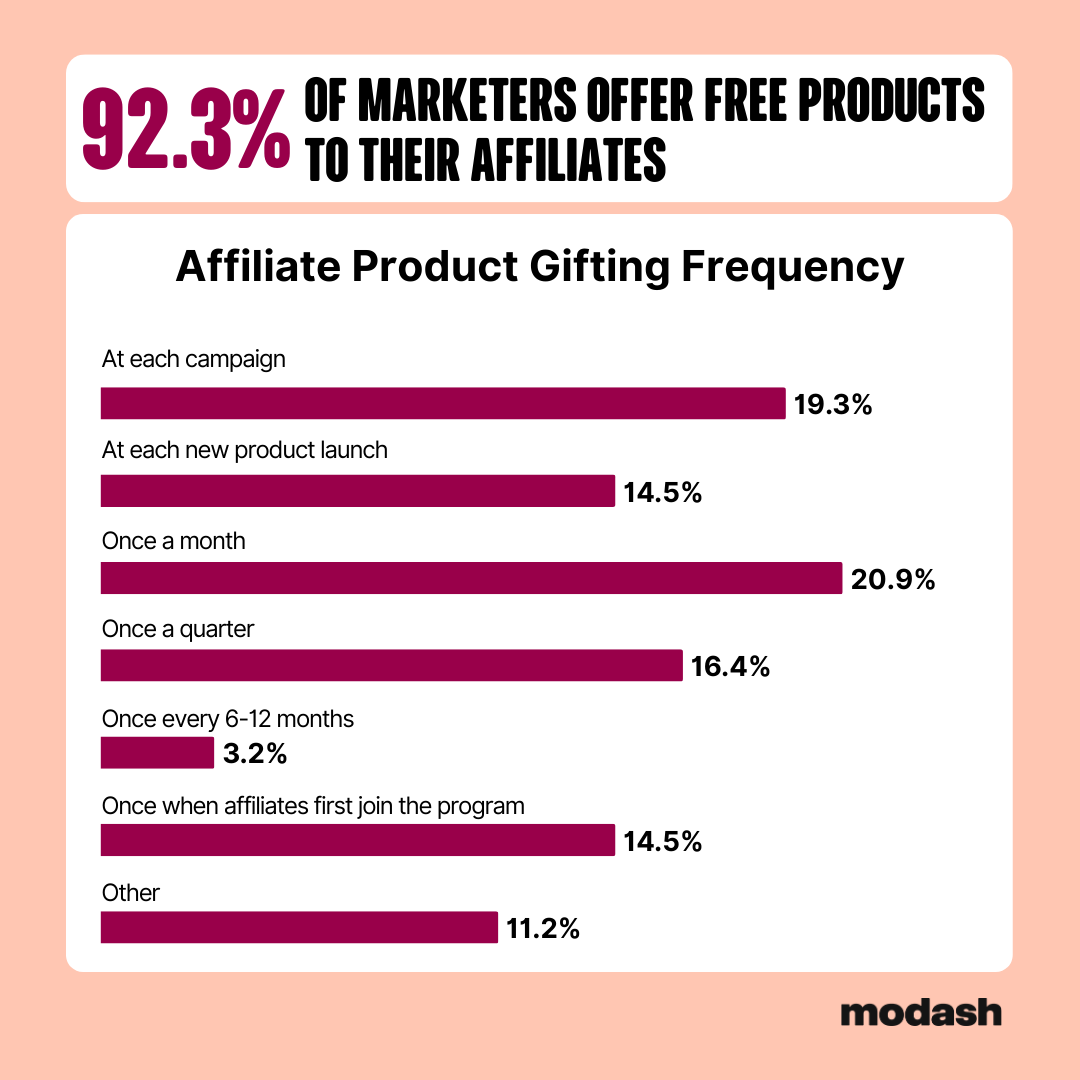
Unsere Umfrage bestätigt das: 93 % der Marketer schenken Affiliates neue Produkte, doch fast 30 % versorgen sie bei Neueinführungen nicht mit weiteren Produkten.
Die ersten 30 Tage eines Programms sind am wichtigsten. Wenn du in den ersten 30 Tagen keine Aktivität siehst, melde dich – warte nicht einfach ab und hoffe. Es könnte an einem Tracking-Problem, Unklarheiten über das Programm oder schlicht daran liegen, dass sie einen kleinen Anstoß brauchen, um loszulegen.
Setze dir eine Erinnerung, um dich nach der ersten Woche und erneut nach 30 Tagen bei jedem neuen Affiliate zu melden. Eine kurze Nachricht wie „Hey, wie läuft's, brauchst du etwas?“ kann den Unterschied zwischen einem aktiven Affiliate und einer Karteileiche ausmachen.
Sobald deine Affiliates posten, musst du wissen, was tatsächlich funktioniert – und, noch wichtiger, wer erfolgreich ist.
Das solltest du verfolgen:
[Es gibt] Fälle, in denen Conversions hauptsächlich von bestehenden Kund:innen, einer starken Nutzung von Rabatten oder durchgesickerten Codes stammen. Auch wenn der Umsatz auf dem Papier gut aussehen mag, können diese Affiliates letztlich unrentabel sein oder dem Programm nur wenig Mehrwert bringen.

Modash verfolgt Inhalte automatisch – selbst wenn Creator vergessen, dich zu taggen – und berechnet EMV, ROAS und CPM pro Creator und Kampagne. Du siehst auf einen Blick, wer Ergebnisse erzielt, wer nichts mehr von sich hören lässt und wer Aufmerksamkeit braucht – ohne Daten aus fünf verschiedenen Quellen zusammenzutragen.
Bei der Performance-Analyse geht es jedoch nicht nur um Reporting, sondern auch um Entscheidungen über dein Partnerportfolio. Nach den ersten 90 Tagen solltest du genügend Daten haben, um deine Affiliates in drei Kategorien einzuordnen: mehr investieren, beibehalten oder streichen.
Fiorella bewertet Affiliates in mehreren Dimensionen – nicht nur nach Umsatz –, bevor sie entscheidet, wie sie mit ihnen verfährt:
Affiliate-Programme sollten wie ein Portfolio verwaltet werden, in dem jeder Partner seinen Platz durch Umsatz, Potenzial, den Wert seiner Inhalte oder strategische Bedeutung rechtfertigt.
Laut Fiorella gibt es folgende Anzeichen dafür, wann du einen Affiliate streichen (oder weniger priorisieren) und wann du mehr in ihn investieren solltest:

Das Ziel ist nicht, dein Partnerportfolio rücksichtslos auszudünnen, sondern deine Zeit und dein Budget auf die Affiliates zu konzentrieren, die wirklich etwas bewirken, und denjenigen, die das nicht tun, einen klaren Ausstieg zu ermöglichen.
Hier eine kurze Zusammenfassung dessen, was du tun solltest (und in welcher Reihenfolge):
Die wichtigste Erkenntnis aus allem, was wir behandelt haben, ist: Affiliate-Programme belohnen Einsatz. Die Marken, die Affiliate-Marketing als echten Kanal behandeln und Zeit, Budget und Aufmerksamkeit investieren, sind diejenigen, die Erfolg haben.
Dieser Einsatz wird deutlich leichter, wenn Ihre Tools nicht gegen Sie arbeiten. Modash vereint Creator-Suche, Kontaktaufnahme, Shopify-natives Tracking, Produktgeschenke, gestaffelte Provisionen, automatisierte globale Auszahlungen und Reporting auf einer Plattform – damit Sie Ihre Zeit in Beziehungen und Strategie statt in Tabellenkalkulationen und manuelle Auszahlungsberechnungen investieren können.
Starten Sie einen kostenlosen 14-tägigen Test – keine Kreditkarte erforderlich.
Und wenn Sie datenbasiert erfahren möchten, was erfolgreiche Affiliate-Programme von stagnierenden unterscheidet, lesen Sie unseren Effort-Gap-Bericht.
Die größten Kostenpunkte sind Produktseeding, Provisionsauszahlungen und Ihre Affiliate-Software. Sie benötigen kein großes Anfangsbudget – Provisionen sind leistungsbasiert, Sie zahlen also nur, wenn Affiliates Verkäufe erzielen. Die Softwarekosten variieren je nach Plattform und den Funktionen, die Sie benötigen. Die eigentliche Investition ist Zeit: Jemand in Ihrem Team muss das Programm aktiv verwalten, damit es funktioniert.
Das hängt von Ihren Margen, Ihrem durchschnittlichen Bestellwert und Ihrem Produkttyp ab. Unsere Umfrage ergab durchschnittliche Provisionsstufen von 10 %, 14 % und 19 % in einer dreistufigen Struktur. Marken mit niedrigem durchschnittlichem Bestellwert benötigen tendenziell höhere Prozentsätze, um Auszahlungen attraktiv zu halten, während Marken mit hohem durchschnittlichem Bestellwert von festen Geldbeträgen als Provision profitieren können, um Kosten zu kontrollieren. Berechnen Sie Ihre eigene Wirtschaftlichkeit pro Einheit, bevor Sie einen Satz festlegen.
Weniger, als Sie denken. 10–20 aktive Affiliates, die regelmäßig posten, werden 100 übertreffen, die sich angemeldet haben und dann still geblieben sind. Konzentrieren Sie sich auf die Aktivierungsrate – also darauf, wie viel Prozent Ihrer Affiliates tatsächlich Inhalte erstellen – statt auf die Gesamtzahl.
Bei einem Influencer-Programm werden Creator in der Regel im Voraus (mit einem Festhonorar oder Produktgeschenken) für Inhalte bezahlt. Ein Affiliate-Programm vergütet Creator leistungsbasiert – in der Regel mit einer Provision für jeden Verkauf, den sie erzielen. Viele Marken nutzen beides, und einige setzen auf Hybridmodelle, bei denen Creator eine Grundvergütung plus Provision erhalten. Die beiden schließen sich nicht gegenseitig aus, und Ihre bestehenden Influencer-Partner sind oft die besten Kandidaten für Ihr Affiliate-Programm.
Legen Sie klare Programmbedingungen fest, die definieren, was als Betrug gilt (Weitergabe von Codes, nicht autorisierte bezahlte Anzeigen mit Affiliate-Codes, gefälschte Leads). Legen Sie Auszahlungsfristen fest, damit Sie Rücksendungen und verdächtige Aktivitäten erkennen können, bevor Provisionen ausgezahlt werden. Achten Sie auf plötzliche Spitzen bei der Code-Nutzung, die nicht zum Engagement der Beiträge passen. Und prüfen Sie Creator gründlich, bevor Sie sie in Ihr Programm aufnehmen – Qualitätsprüfungen der Zielgruppe und die Historie gesponserter Inhalte sind dabei sehr hilfreich.
Sie können es durchaus intern betreiben – und für Creator-geführte Programme ist das meist die bessere Option, da Sie mehr Kontrolle über Beziehungen, die Markenrepräsentation und die Flexibilität des Programms haben. Aber auch intern benötigen Sie ein Affiliate-Tool, um die Abläufe zu verwalten. Netzwerke sind sinnvoller, wenn Sie noch keinen dedizierten Manager haben, den Kanal mit minimalem Einrichtungsaufwand testen möchten oder Produkte für eine breite Zielgruppe verkaufen und in großem Umfang Zugang zu traditionellen Affiliate-Typen wünschen.