




Mais opções
Aplicações



Numa semana típica, é provável que esteja a:
…E ainda só é quarta-feira.
Os profissionais de marketing de influência têm pouquíssimo tempo. Há tanto para fazer — é quase impossível sobreviver (e manter a sanidade) sem automação e a ajuda de ferramentas de IA.
Mas o dilema neste setor é que trabalhar com criadores é, por natureza, uma função muito assente em relações. É preciso ter cuidado para não transformar o lado humano do marketing de influência numa tarefa robótica.
Para perceber onde traçar o limite, perguntámos a mais de 50 profissionais de marketing de influência como utilizam a IA nos seus fluxos de trabalho e onde evitam usá-la.
Sem surpresa, os profissionais de marketing aumentaram significativamente o uso de IA para ajudar nas suas tarefas do dia a dia. Quando realizámos o nosso grande inquérito anual no ano passado, pouco mais de metade dos profissionais de marketing inquiridos utilizava IA. Em 2025, esse número subiu para 81,9%.

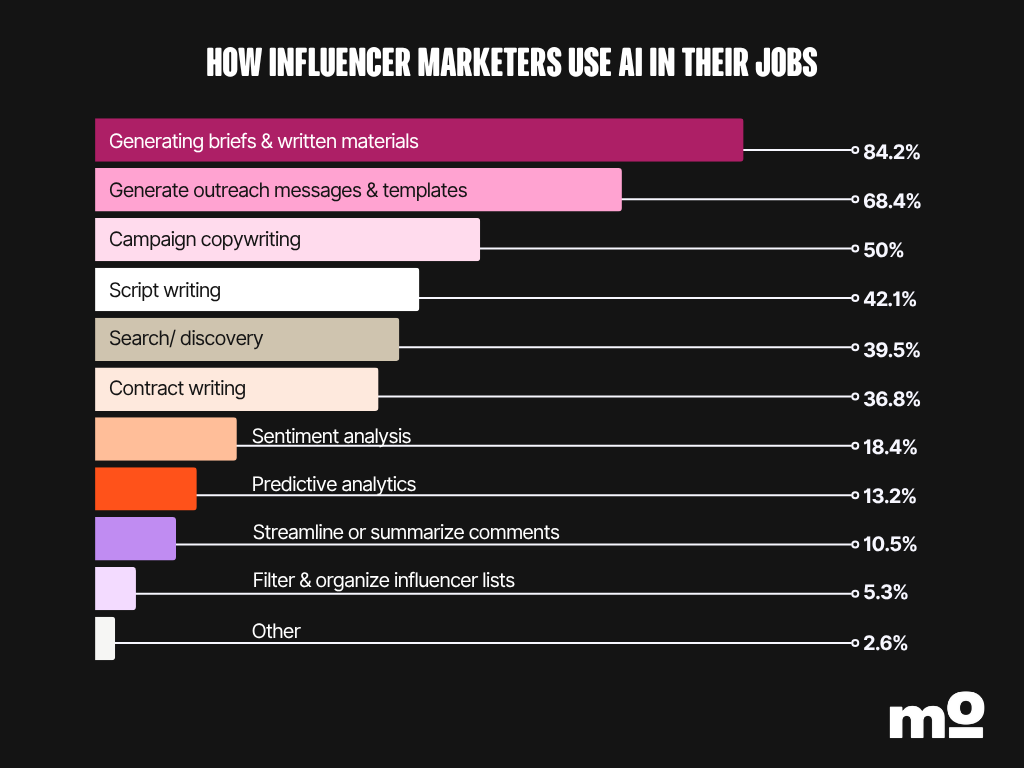
Mas para que usam os profissionais de marketing de influência a IA? E, mais importante, para que evitam usar IA? Eis um resumo rápido:

Vejamos cada tarefa e onde a IA compensa (e onde não compensa).
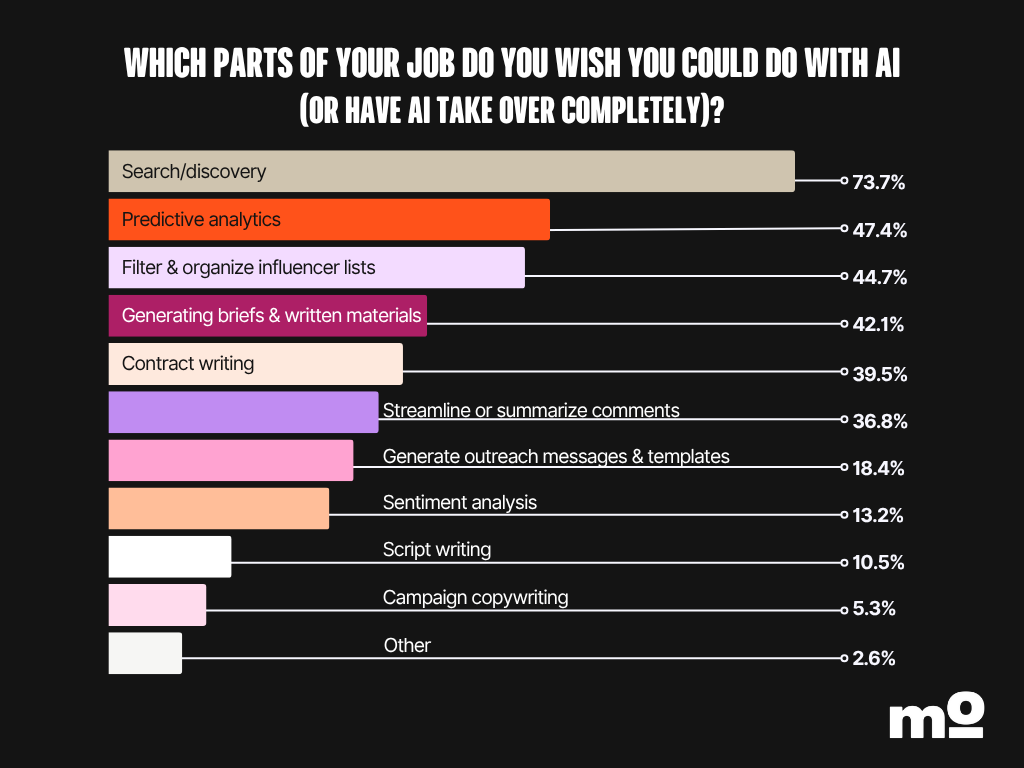
Segundo o nosso inquérito, a descoberta de influencers é a utilização nº 1 para a qual os profissionais de marketing gostariam de poder usar IA.
É compreensível: procurar os influencers certos pode ser demorado e cansativo. Se utilizar um software de marketing de influência, pode aplicar filtros como o número de seguidores, a taxa de envolvimento, etc., e encontrar criadores que correspondem aos seus critérios mais rapidamente do que com o método manual de pesquisa por hashtags. Mas nem isso é sempre suficiente, porque:
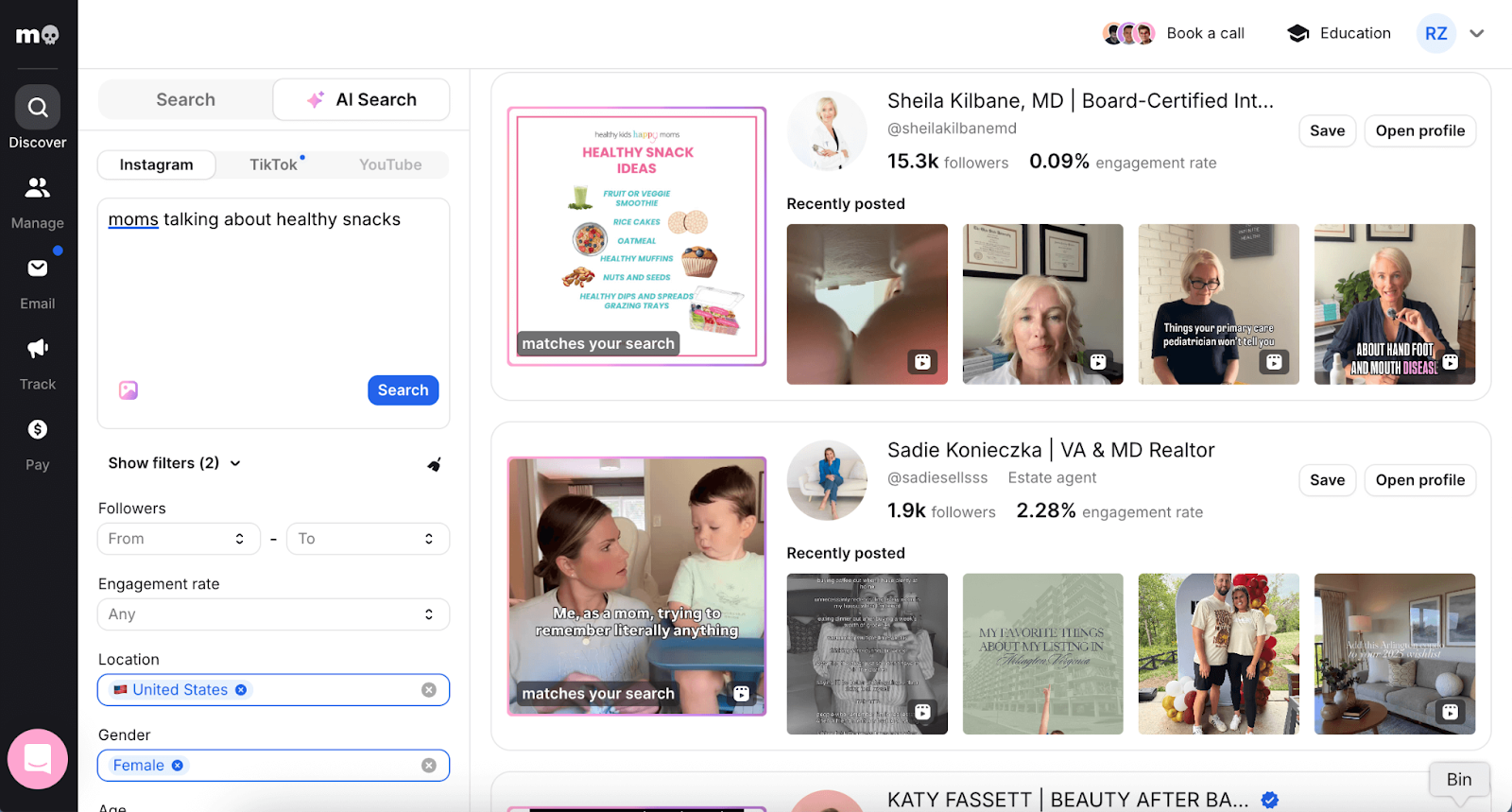
Conheça: o recurso de pesquisa por IA da Modash. Basta digitar o que você procura, e a ferramenta começará a encontrar influenciadores que criam esse tipo de conteúdo. A Modash analisará dentro do conteúdo visual para encontrar o que você procura, como uma pessoa faria.
Digamos que você trabalhe com marketing de influência para uma marca de snacks saudáveis. Você quer encontrar mães ocupadas que nem sempre têm tempo de preparar algo nutritivo para os filhos.
A maneira antiga: você buscaria manualmente influenciadoras mães, avaliaria criadores que realmente falam sobre a dificuldade de preparar várias refeições para crianças todos os dias e verificaria se eles têm afinidade com a marca. Você talvez selecione alguns criadores após horas de busca.
A nova maneira: você abre a Modash e digita “mães falando sobre snacks saudáveis” na barra de pesquisa por IA. Você recebe instantaneamente uma lista de influenciadoras mães que já publicam sobre o conteúdo ideal para você (uma combinação perfeita). Você pode combinar filtros como localização, número de seguidores, taxa de engajamento, gênero, idade, idioma e outros para garantir que a busca exiba apenas criadores que atendam exatamente aos seus critérios.
Experimente a pesquisa por IA da Modash gratuitamente por 14 dias.
À medida que você amplia seus esforços de marketing de influência, torna-se cada vez mais demorado:
44,7% dos profissionais de marketing da nossa pesquisa automatizam essas tarefas usando ferramentas de IA. Na Modash, por exemplo, você pode coletar todo o conteúdo de influenciadores que menciona uma hashtag, marca ou palavra-chave específica (incluindo Stories do Instagram!). Você pode até coletar todo o conteúdo que um influenciador publica e, depois, escolher quais deseja acompanhar nas suas campanhas.
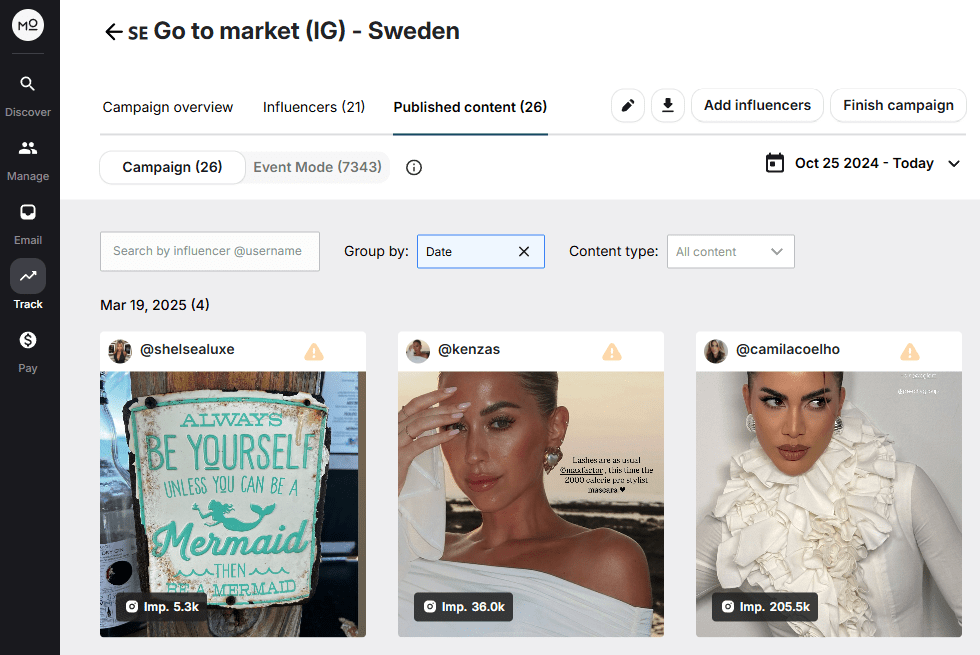
A Modash também sinalizará quando um influenciador não seguir as diretrizes da FTC para divulgação de publicidade. Na minha opinião, é um recurso que salva vidas.
Quanto à gestão de influenciadores, você pode usar ferramentas para organizar suas listas de criadores com muito mais eficiência. Você precisa registrar:
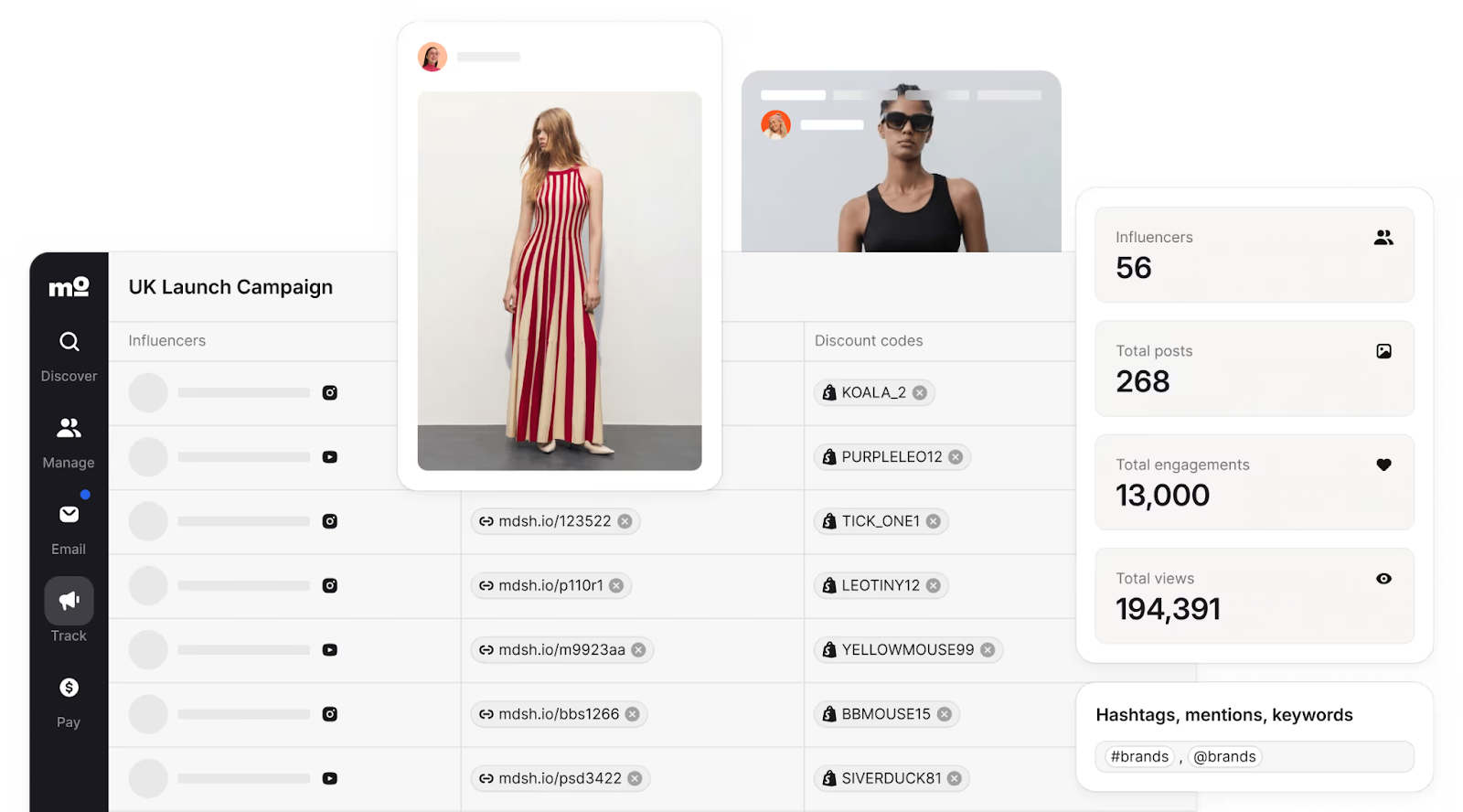
Em vez de atualizar planilhas manualmente, você pode usar um software para gerenciar tudo em um só lugar. No Modash, você seleciona e personaliza a etapa do relacionamento com um influenciador para que todos estejam alinhados.
Para tornar o processo ainda mais eficiente, conecte sua loja da Shopify para ver os links exclusivos e códigos de desconto associados a cada influenciador na mesma aba.
Outra tarefa que consome muito tempo dos profissionais de marketing é elaborar relatórios sobre o desempenho do marketing de influência. A IA não pode assumir a liderança na automação de todo o relatório. Afinal, só você sabe como o marketing de criadores se encaixa nos objetivos mais amplos da sua empresa. Mas a IA pode ajudar a acelerar o processo ao fornecer rapidamente números precisos sobre o desempenho das suas campanhas e criadores.
No Modash, você pode ver rapidamente uma visão geral da campanha: visualizações, EMV, vendas, cliques, custo — está tudo lá.
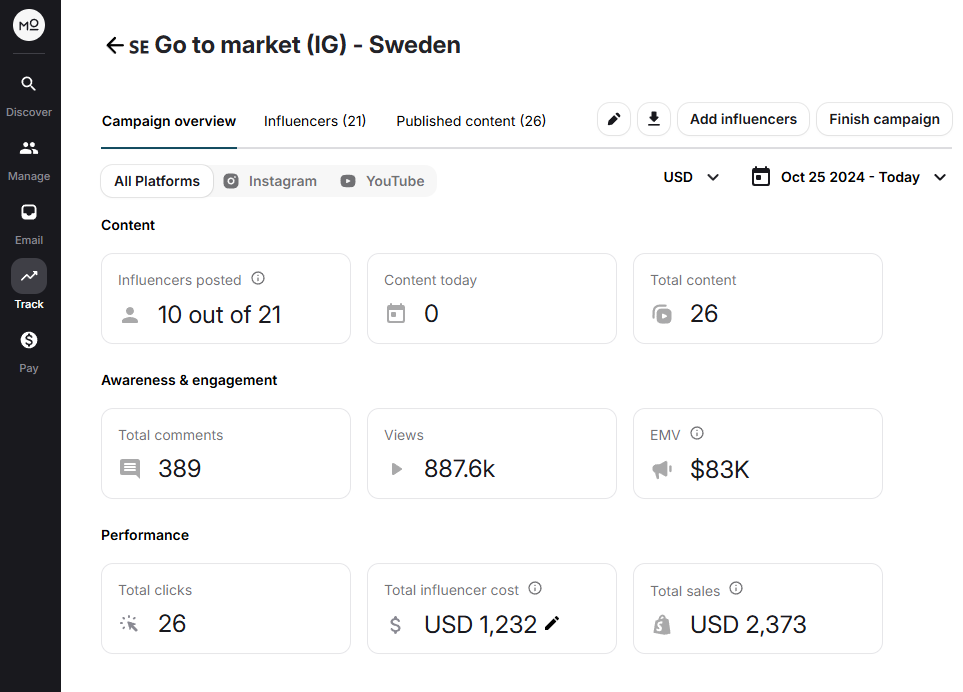
Você também pode ver métricas mais detalhadas de cada campanha, como o desempenho individual de cada influenciador. Para obter dados mais precisos, você pode até personalizar a fórmula de EMV.
Os profissionais de marketing também relatam com frequência o desejo de analisar aspectos qualitativos do desempenho de influenciadores e campanhas. Por exemplo, você pode querer analisar os comentários em uma publicação de um influenciador para entender a percepção dos clientes sobre sua marca. Para isso, você pode usar uma ferramenta como a Siftsy. Não é perfeito, mas pode ajudar você a obter muitos insights muito mais rapidamente do que faria manualmente.
Outro caso de uso útil da IA é a detecção de vazamento de códigos. Ferramentas como a Marcode podem ajudar você a identificar se o cupom de desconto de um influenciador vazou para sites de terceiros. Isso pode ajudar você a evitar fraudes e garantir que esteja atribuindo as vendas corretamente aos seus parceiros criadores.
8 em cada 10 profissionais de marketing usam IA para criar briefings para influenciadores e materiais escritos relacionados (como legendas, roteiros etc.). Este é o caso de uso nº 1 entre os profissionais de marketing em nossa pesquisa.
A inteligência artificial pode ser muito útil para reduzir o trabalho administrativo, pois você pode criar um modelo de briefing para reutilizar com cada criador. Você pode pedir a qualquer ferramenta de IA para:
Nem é preciso dizer, mas revise cada briefing produzido pela IA para garantir que ele esteja correto para a sua marca. Depois de refinadas, porém, as ferramentas de IA podem ajudar você a criar briefings mais rapidamente e torná-los mais consistentes para todos os criadores.
Você também pode usar a IA para fazer um brainstorm de tópicos de conversa, ideias de roteiro e legendas para redes sociais nas suas campanhas. A IA pode ser uma ótima parceira para trocar ideias, especialmente quando você está sem inspiração e precisa de um ponto de partida para destravar a criatividade.
A prospecção de influenciadores é o segundo caso de uso mais comum da IA, segundo nossa pesquisa. Se você entra em contato com muitos criadores todos os dias, a IA pode ajudar a aprimorar as partes sobre sua empresa e campanha (que permanecem as mesmas em cada mensagem).
Você também pode usar a IA para encontrar informações sobre um influenciador, conhecer melhor essa pessoa e personalizar sua mensagem inicial. Por exemplo, pedi ao ChatGPT que pesquisasse mais sobre Haley Pham usando este prompt:
“Atue como um profissional de marketing de influência entrando em contato com a influenciadora de livros Haley Pham. Compartilhe detalhes sobre a vida e o conteúdo dela que possam me ajudar a personalizar minha primeira mensagem de contato para essa criadora. Analise o perfil dela no Instagram, o canal no YouTube e quaisquer outros podcasts dos quais ela tenha participado.”
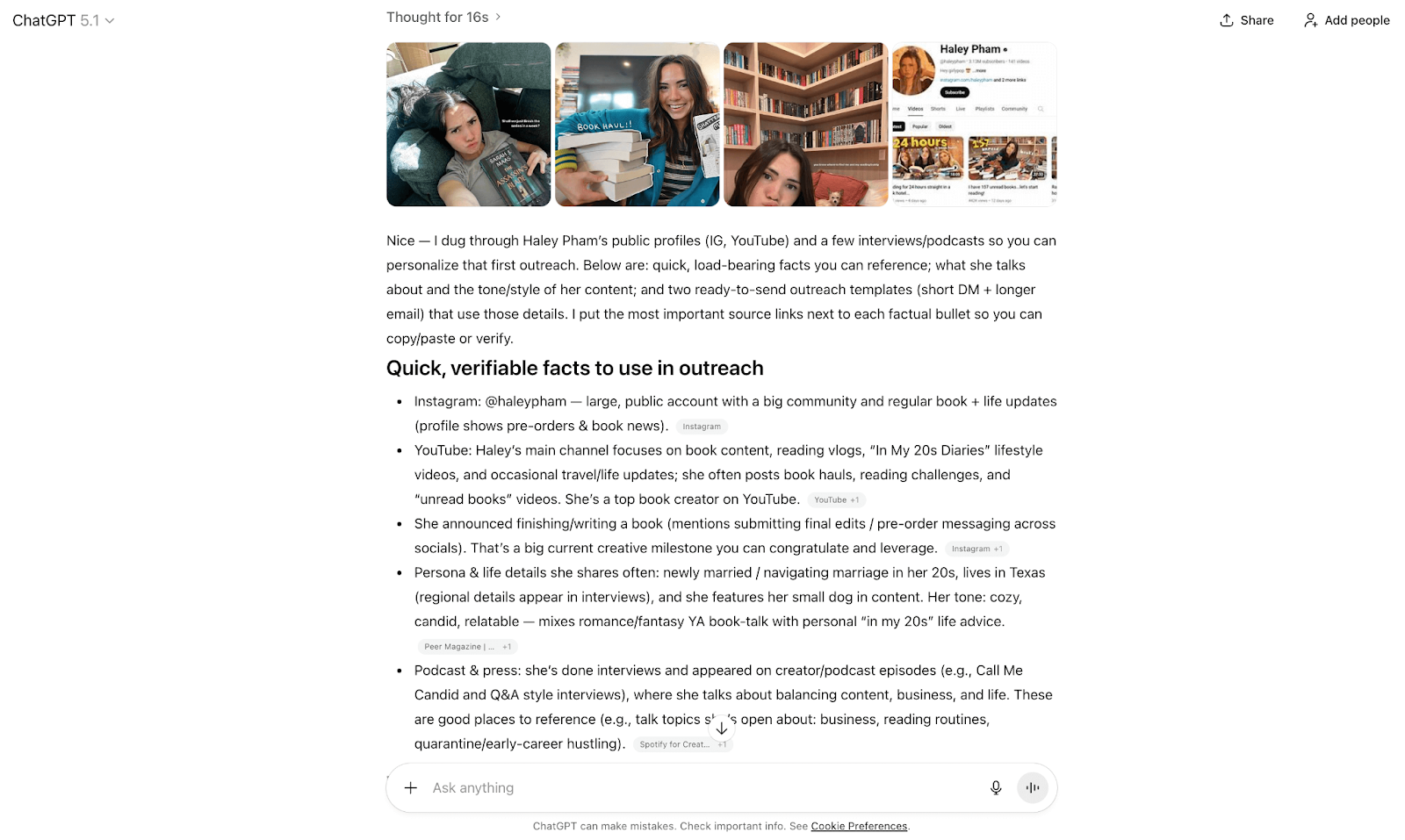
Com essas informações, posso parabenizar a criadora pelo primeiro livro dela e personalizar a mensagem de contato.
⚠️ Lembre-se: sempre verifique se as informações apresentadas por uma ferramenta de IA são precisas, pois ela pode alucinar.
A IA também pode ajudar a criar modelos para mensagens que você envia regularmente. Por exemplo, se você compartilha números de desempenho com seus afiliados toda semana ou todo mês, pode usar a IA para criar um modelo e depois apenas atualizar os dados sempre que enviar o relatório de desempenho aos seus parceiros criadores.
Da mesma forma, você também pode usar a IA para escrever uma mensagem simples de acompanhamento para criadores com quem pretende retomar o contato. Você pode incluir a Modash para automatizar completamente os acompanhamentos. Defina a data e a hora em que deseja enviar seu e-mail de acompanhamento, e a Modash cuidará disso para você, sem necessidade de lembretes.
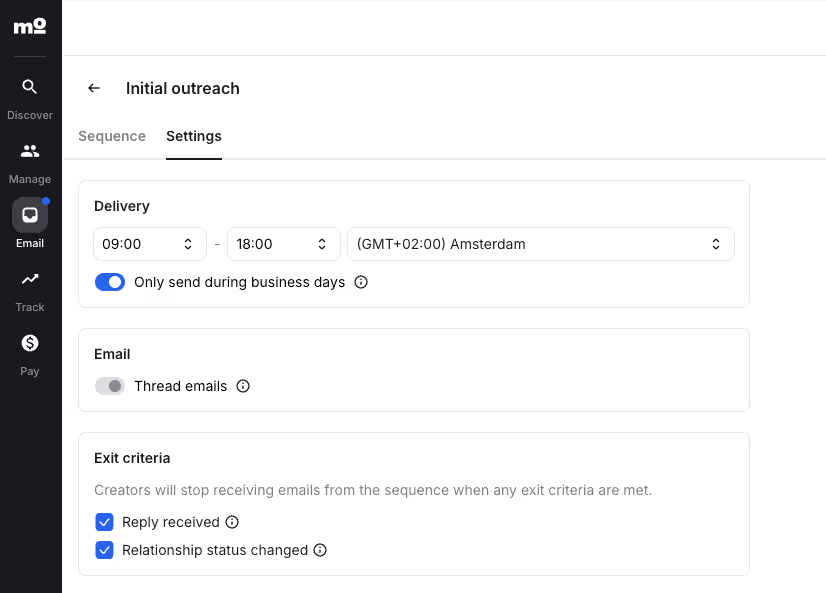
E sim, você pode acompanhar toda a sequência de contatos de cada criador em um único painel. Você saberá exatamente quando entrou em contato pela primeira vez, fez o acompanhamento, recebeu uma resposta e assim por diante.
Por fim, você também pode usar a IA para resumir uma troca de e-mails e extrair os detalhes principais caso uma sequência de e-mails tenha ficado insuportavelmente longa.
Os contratos com influenciadores podem parecer burocracia, mas são indispensáveis para proteger sua marca e garantir que você e seus parceiros criadores estejam na mesma página.
Você pode usar a IA para obter um ponto de partida com estrutura jurídica, que poderá aprimorar com sua equipe jurídica. Basta inserir as informações que precisam ser incluídas:
⚠️ Lembre-se: a IA é um bom ponto de partida para o seu contrato. Mas você deve fazer com que um advogado revise o contrato antes de enviá-lo a qualquer criador.
Muitas ferramentas de IA também oferecem modelos jurídicos prontos para uso, para que você não precise começar do zero.
Você também pode usar a IA para resumir um contrato e extrair os termos principais. Isso pode ajudar sua equipe e seus parceiros influenciadores a ter uma visão geral rápida dos termos e condições.
As seções acima deixam claro: sem dúvida, a IA pode ser uma excelente ferramenta para tornar seus fluxos de trabalho mais eficientes. Mas o marketing de influência não pode ter sucesso sem um elemento humano. Anna Jędrzejewska explica:
A IA não substituirá o toque humano (boa sorte tentando automatizar a intuição), mas nos devolverá as horas de que precisamos para realmente traçar estratégias, em vez de ficar buscando links de arquivos e assinaturas. O marketing de influência está evoluindo das planilhas para os sistemas.

Estas são as tarefas do seu fluxo de trabalho que você não deve delegar à IA (e o motivo).
Você pode usar ferramentas de IA para pré-selecionar criadores que atendam aos seus critérios quantitativos. Mas, além da verificação inicial, você precisa avaliar os influenciadores qualitativamente para entender de fato se eles são ou não adequados para a marca. Isto inclui verificar aspetos como:
44% dos profissionais de marketing que inquirimos para outro relatório afirmaram que passam entre 3 e 10 minutos a avaliar cada influencer pré-selecionado.
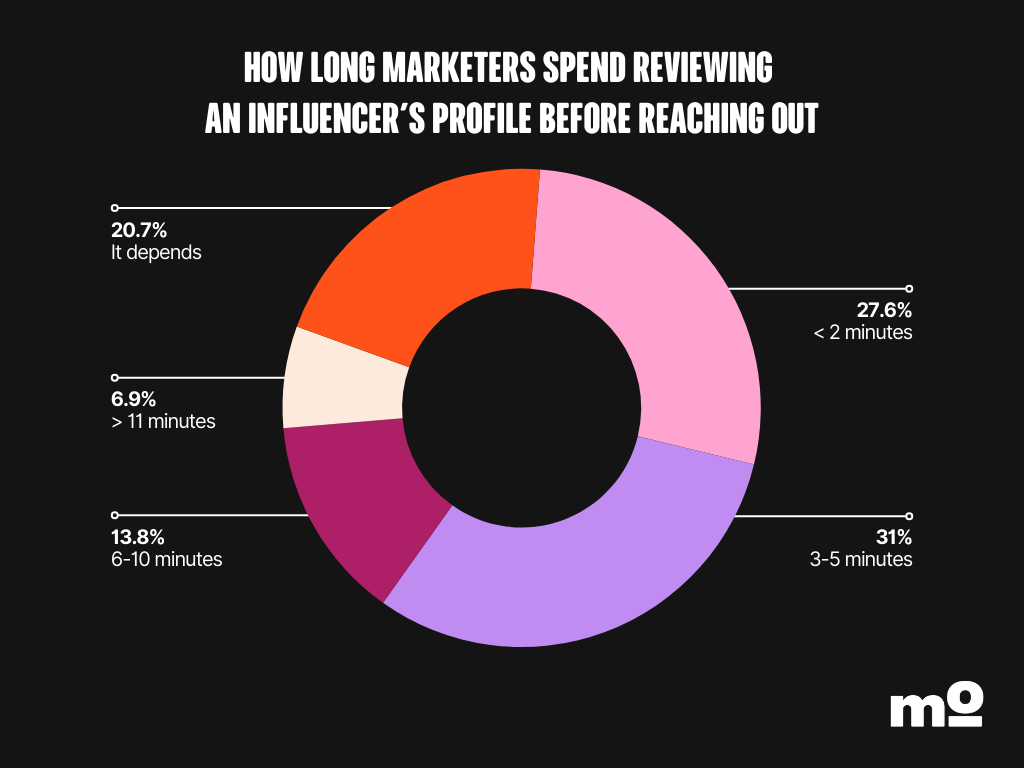
Se usasse apenas IA para avaliar influencers, provavelmente terminaria muito mais depressa. Mas a que custo? A IA não consegue compreender a sua marca tão profundamente como você. Não tem bom gosto e não consegue distinguir conteúdo de excelência de uma publicação constrangedora. Paulina Cieślik explica por que motivo a IA não deve tomar a decisão quando se trata de selecionar influencers:
Quando se trata de selecionar influencers ou analisar dados, não considero que a IA seja, por enquanto, suficientemente precisa nem perspicaz. No marketing de influência, o toque humano — criatividade, empatia e compreensão do contexto — continua a ser insubstituível. A IA deve apoiar o processo, não ser vista como quem toma a decisão final.

Já viu aqueles comentários no LinkedIn claramente gerados por IA que dão arrepios a toda a gente? Os seus influencers sentiriam o mesmo se usasse IA para comunicar com eles. Se acha que os criadores não conseguem perceber, pense em como consegue identificar, a milhas de distância, um comentário malfeito escrito por IA.
Quando comunica com influencers — seja para responder a uma pergunta simples ou negociar os termos do contrato — evite ao máximo usar IA.
Dar uma resposta robótica fará com que os criadores com quem trabalha sintam que são apenas mais um nome na sua lista. Isso acabará imediatamente com toda a autenticidade e confiança que cultivou.
É simples: uma pessoa de um lado espera que uma pessoa do outro lhe responda.
Pode acompanhar o desempenho dos influencers com ferramentas de IA, mas não padronize o feedback, especialmente para os seus parceiros influencers de longo prazo.
Dar feedback personalizado não só fará com que o criador se sinta parte da equipa, como também o ajudará a si a longo prazo. Como? Quando dedica tempo a adaptar o feedback a um influencer, dá-lhe uma excelente oportunidade de criar conteúdo melhor para si no futuro. Em termos gerais, isso limitará a quantidade de revisões necessárias e reduzirá sua carga de trabalho.
Se você usar IA para analisar o conteúdo de um influenciador, não terá uma visão completa. A IA não entende que tipo de publicações fazem as pessoas pararem de rolar o feed e comprarem. Ela não sabe do que a sua marca precisa. Não confie mais na IA do que na sua própria intuição e discernimento.
Usar IA para criar ideias de publicações, legendas e roteiros é totalmente aceitável. Mas não use conteúdo gerado por IA palavra por palavra, sem edições ou revisões. Leslie Belen explica o motivo:
A minha convicção mais forte é que a IA deve ficar fora do processo criativo. Como nosso produto é uma barra de snack natural, o conteúdo precisa parecer genuíno e pessoal. Legendas ou roteiros gerados por IA destroem instantaneamente a autenticidade que nosso público de saúde e bem-estar exige. Somos totalmente a favor do uso de IA para ganhar eficiência nos bastidores, mas a parte criativa voltada ao público deve continuar sendo humana e autêntica.

Como consumidora e alguém que tem lido muitas legendas claramente geradas por IA na internet, posso dizer: legendas geradas por IA me desanimam na hora. Isso destrói a confiança na marca e cria uma associação negativa na mente de futuros compradores.
A IA pode ser sua parceira de conteúdo para aprimorar conteúdos voltados ao cliente, mas não entregue todo o trabalho à ferramenta.
O contato em massa com influenciadores funciona em pouquíssimos cenários no universo do marketing de influência. Na maioria dos casos, é melhor evitar enviar uma mensagem inicial gerada por IA a qualquer criador. Isso inicia o relacionamento com o pé esquerdo e pode prejudicar a reputação da sua marca. Lee Drysdale concorda:
Ao entrar em contato, sempre gosto de reservar um tempo para personalizar a mensagem e mencionar algo de que gosto particularmente no conteúdo do influenciador. Sinto que usar IA nesse caso pode realmente eliminar o aspecto de construção de relacionamento do marketing de influência. Qualquer pessoa pode falar com a IA, mas nem todo mundo pode falar comigo.

Como Lee bem diz, qualquer pessoa pode ser um robô. Mas ninguém pode ser você. 😉
Você pode usar a IA para aprimorar a parte sobre sua marca, campanha e CTA (porque ela é comum a todos), mas não a use para personalizar a seção sobre o influenciador. Veja um exemplo do que você pode transformar em modelo:
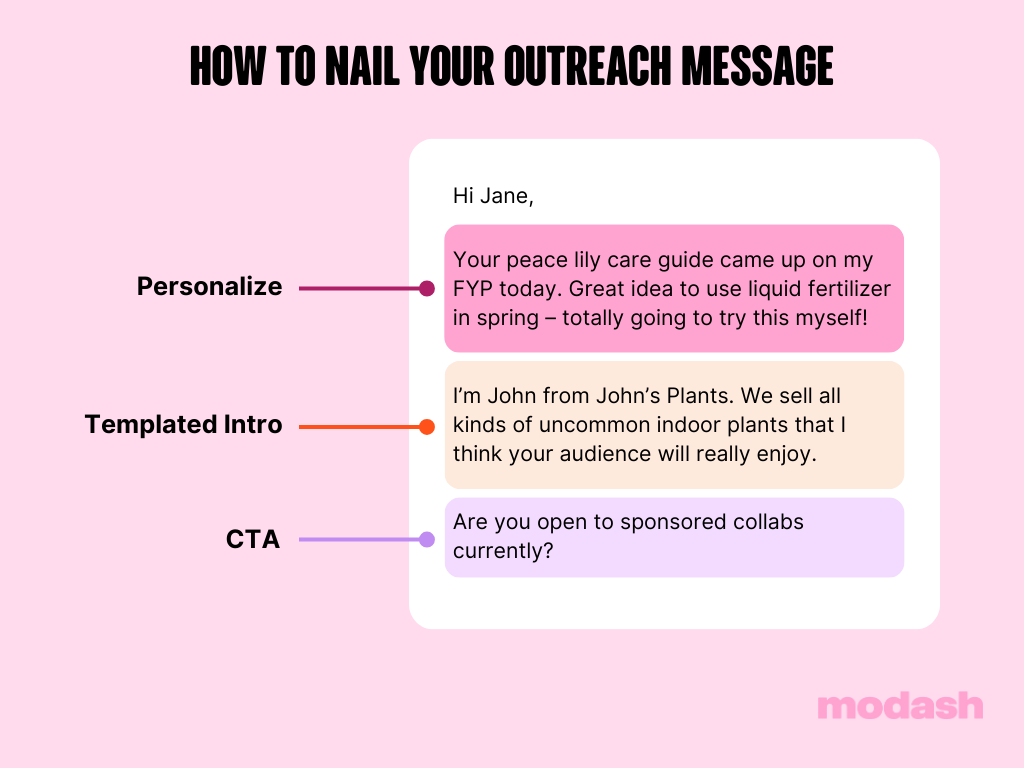
Se você quer entender como os profissionais de marketing fazem contato com influenciadores no mundo real, aqui estão 14 exemplos de marcas reais.
Enviar um contrato gerado por IA para um influenciador é um desastre prestes a acontecer. Um único erro pode custar dinheiro, reputação e muita dor de cabeça.
A IA não conhece as leis específicas de cada jurisdição nem entende as nuances jurídicas. Além disso, você precisa de terminologia jurídica específica para tornar seu contrato válido. Sim, você pode pedir à IA que use aquela linguagem jurídica específica, mas isso não garante que ela seguirá suas instruções.
Mesmo que você crie um contrato gerado por IA, sua equipe jurídica precisa aprová-lo para garantir que ele esteja adequado. Pense desta forma: se você não confiaria cegamente na IA para escrever um e-mail para você, por que confiaria nela para elaborar um documento jurídico?
Se eu tivesse que resumir o debate sobre usar ou não IA, diria: use IA para tarefas administrativas que não exigem opinião, mas evite usá-la em tarefas que precisam do toque humano.
Sempre que você estiver se comunicando com uma pessoa (seja conversando com seus parceiros influenciadores ou escrevendo legendas para seu público), não dependa apenas de conteúdos gerados por IA.
Mas, sempre que você se vir realizando tarefas repetitivas e tediosas (como atualizar planilhas ou coletar conteúdo de influenciadores), use a IA para liberar seu tempo e sua energia.
A IA pode transformar a maneira como você trabalha. Ela pode economizar horas de trabalho administrativo, revelar insights mais rapidamente e ajudar sua equipe a se manter organizada em escala. Mas ela também nos lembra que nem toda parte do seu trabalho deve ser automatizada. A magia do marketing de influência ainda está nos relacionamentos, na criatividade e na intuição — coisas que nenhum algoritmo ou ferramenta consegue replicar.
Se você quer usar a IA onde ela realmente faz diferença — descoberta de influenciadores, gestão de conteúdo e acompanhamento de desempenho — experimente a Modash. Ela foi criada para tornar seus fluxos de trabalho mais inteligentes sem perder o toque humano.