



무료 제품을 제공하고, 그 대가로 콘텐츠를 받으세요. 경험이 없는 사람에게는 인플루언서 기프팅이 쉬워 보입니다. 순조로운 거래. 하지만 현실은 이론처럼 마냥 순탄하지만은 않습니다:
몇몇 인플루언서 마케팅 전문가의 도움을 받아, 기프팅 캠페인 운영에서 흔히 겪는 여섯 가지 과제를 완화하는 방법을 알려드리겠습니다.
때로는 인플루언서가 첫 메시지에 전혀 응답하지 않는 것이 문제입니다. 인플루언서 아웃리치를 어떻게 개선할 수 있을까요? 해결책은 먼저 크리에이터가 응답하지 않는 이유를 파악하는 데 있습니다:
인플루언서 기프팅에서는 크리에이터에게 무료로 또는 제품을 대가로 브랜드 콘텐츠를 제작해 달라고 요청합니다. 제안을 다시 검토하고, 그들에게 충분히 가치 있는지 평가해 보세요. 당신이라면 답장을 했을까요?
제안을 더 매력적으로 만드는 한 가지 방법은 장기 파트너십이라는 당근을 제시하는 것입니다. 기프팅을 테스트 환경으로 활용해 제품을 진정으로 좋아하고 A+ 수준의 콘텐츠를 게시하는 크리에이터를 찾아보세요. 인플루언서 마케팅 전문가 Dmitri Cherner도 동의합니다:
기프팅을 의식적으로 활용해, 특히 가능성이 높고 관심이 가는 크리에이터와의 (이상적으로는) 장기 관계 구축의 첫 단계로 삼으세요.

반대로, 제안 자체가 발목을 잡고 있을 수도 있습니다. 엄격한 가이드라인에 따라 많은 콘텐츠를 제작해 달라고 요청하는 물물교환형 협업을 하고 있나요? 고정 보수 없이 그런 의무 요건을 제시하면 크리에이터의 관심을 떨어뜨릴 수 있습니다. 조건을 완화하고, 응답률을 높이기 위해 조건 없는 방식을 함께 시도해 보세요.
물물교환형 협업을 할지, 조건 없는 방식을 택할지 고민이라면 이 그래프가 각각의 장점을 이해하는 데 도움이 될 수 있습니다:

명확하고 직접적이며 설득력 있는 제목을 쓰면 이메일 열람률을 높일 수 있습니다. 크리에이터의 관심을 끌 수 있는 다양한 훅을 테스트해 보세요. 하지만 재치 있게 보이려는 데 너무 집중한 나머지 명확성을 놓치지는 마세요.
제안을 미리 보여 주면서 동시에 관심을 끄는 제목을 만드세요.
실제로 제품을 원하고 사용할 크리에이터를 찾으세요. 그들의 오디언스도 귀사의 제품으로 혜택을 볼 수 있을지 생각해 보세요. 크리에이터를 사전에 검토했다면 응답률이 높아질 뿐 아니라 후속 연락도 줄일 수 있습니다.
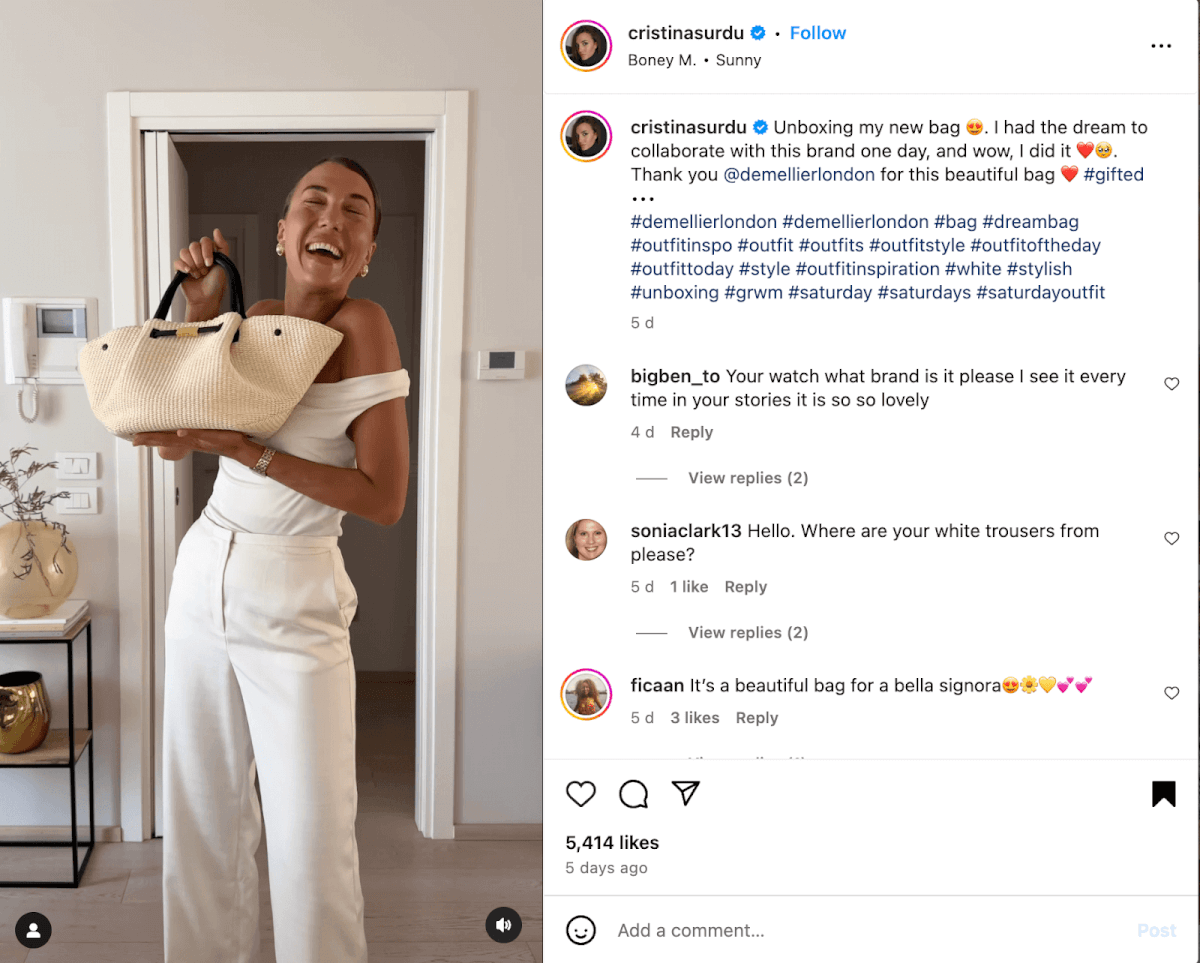
좋은 예로, Cristina Surdu는 DeMellier와의 협업이 오랫동안 자신의 꿈이었다고 언급했습니다. 제품을 받는 것을 진심으로 반길 만한 이런 크리에이터를 찾으세요.
Andreea Moise는 HypeMaven의 설립자로, 인플루언서에게 연락할 때 그들이 “이 사람들은 나를 이해해!”라고 생각하게 해야 한다고 말합니다:
인플루언서의 고민이 무엇인지, 이전에 어떤 시도를 했고 실패했는지, 특히 이를 감정적으로 어떻게 표현하는지 잘 이해하세요.

응답률을 높이려면 인플루언서 아웃리치를 시작하기 전에 충분히 조사해야 합니다.
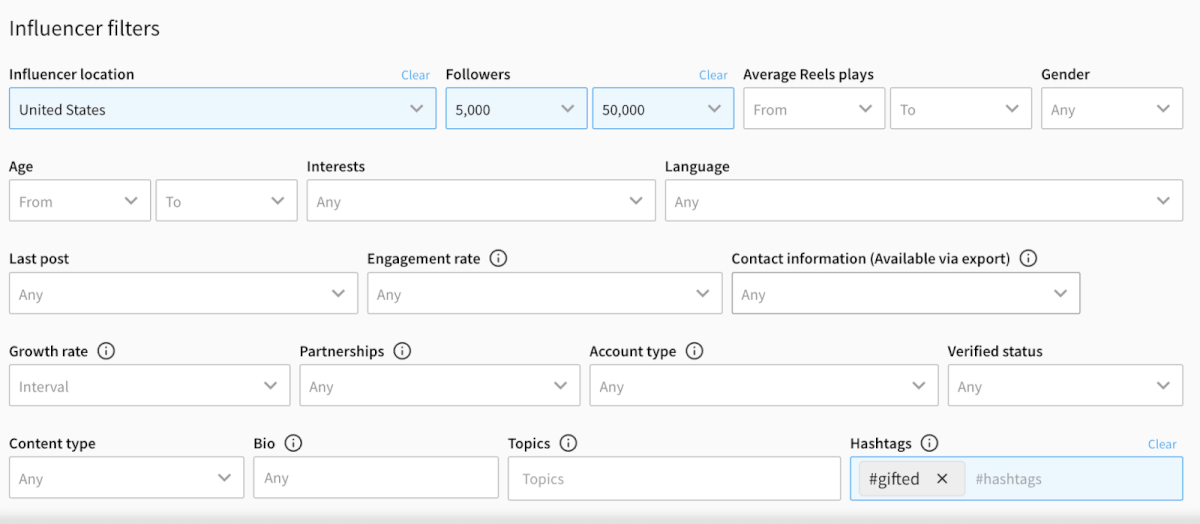
그렇다면 적합한 크리에이터는 어떻게 찾을 수 있을까요? 이제 막 시작했다면 해시태그를 검색하고, 지인에게 추천을 받고, Reels/FYP를 살펴보며 적합한 크리에이터를 찾을 수 있습니다. 더 빠른 방법을 원한다면 인플루언서 검색 소프트웨어를 사용하세요. Modash에서는 Instagram, TikTok, YouTube에서 1k+명 이상의 팔로워를 보유한 모든 크리에이터를 찾을 수 있습니다. 스크린샷에서는 다음 조건에 맞는 인플루언서를 찾고 있습니다:

Modash를 $0에 이용해 보세요. 신용카드가 필요하지도 않습니다.
이해합니다. 대량 아웃리치는 확장 가능하고 비용이 적게 들며 실행하기도 쉽습니다. 그래도 그렇게 해서는 안 됩니다. 왜일까요? 분명한 이유는 이상적인 인플루언서 1,000명으로 구성된 목록에서 완전히 정형화된 메시지보다 개인화된 접근 방식이 더 높은 응답률 & 실제 협업으로 이어지기 때문입니다.
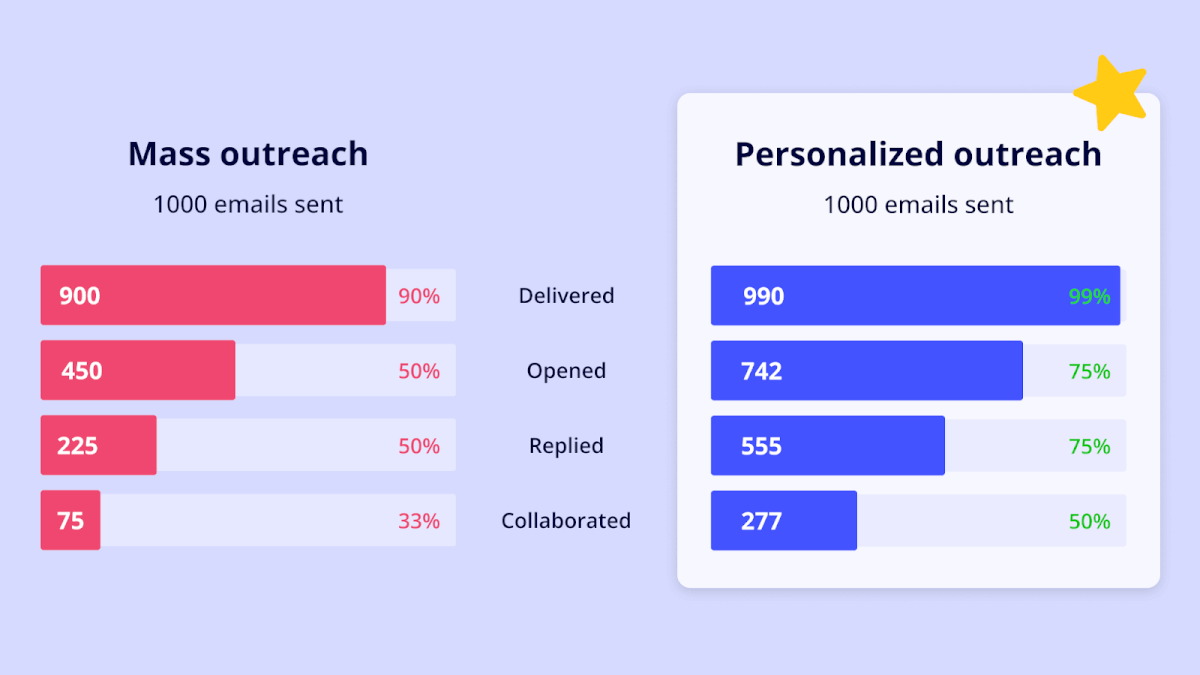
두 번째 이유는 인플루언서가 그런 자동화된 메시지를 쉽게 알아챌 수 있기 때문입니다. 크리에이터 파트너에게 ‘그저 또 한 명의 고객’처럼 느껴지고 싶으신가요? 이는 응답률을 떨어뜨릴 뿐 아니라 크리에이터와의 관계도 좋지 않게 시작하게 만듭니다. 인플루언서에게 그들이 여러분에게 단순한 숫자가 아니라는 점을 전달해야 합니다. Cherner도 이에 동의합니다:
제품을 선물할 때 가장 돋보일 수 있는 방법은 크리에이터에게 보내는 메시지를 개인화하는 것입니다. 제품이나 메모, 맞춤형 박스 등이 중요한 것이 아니라, 크리에이터가 단순한 숫자가 아니라는 점을 전달할 수 있는지가 훨씬 더 중요합니다.
Nicole Ampo는 American Hat Makers의 인플루언서 마케팅 매니저로, 적합한 인플루언서를 찾고 아웃리치 메시지를 짧고 명확하며 개인화된 형태로 유지한 것이 응답률 향상에 도움이 되었다고 말했습니다:
제품 제공 협업 프로그램을 개선한 두 가지: 1. 특정 인플루언서를 발굴하세요: 브랜드와 맞는 콘텐츠를 제작하는 인플루언서를 찾는 것이 실제로 큰 차이를 만듭니다. 2. 아웃리치 메시지를 구체적이고 직접적이며 개방적으로 작성하세요: 이렇게 하면 인플루언서와의 혼선과 불필요한 왕복 대화를 줄일 수 있습니다.

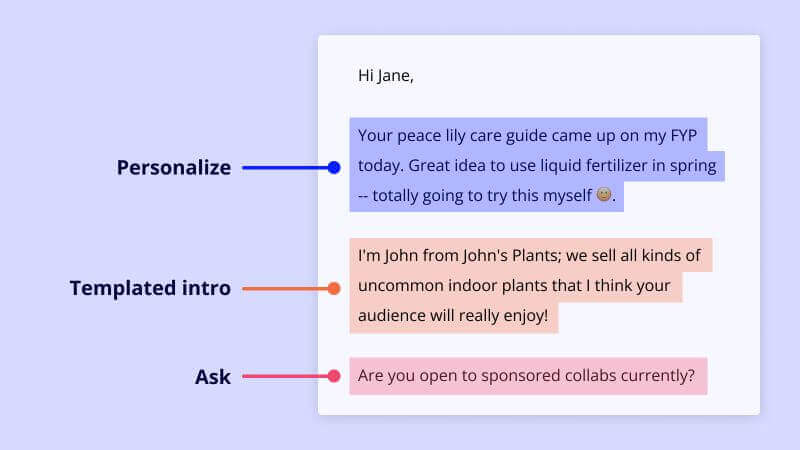
더 빠르게 진행하려면 일부만 템플릿화한 이메일을 사용할 수 있습니다. 자신에 관한 세부 정보, 즉 소개, 비즈니스 정보, 제품 제공 캠페인 세부 정보는 템플릿화하세요. 크리에이터에 관한 내용을 개인화하세요. 왜 그들을 좋아하는지, 왜 브랜드에 잘 맞는다고 생각하는지, 왜 그들 & 그들의 오디언스가 제품을 좋아할 것이라고 생각하는지 등을 포함하세요.
아래 이미지는 좋은 아웃리치 사례이지만, CTA를 “저희가 [제품명]을 보내드리고 싶습니다. 스폰서십 관련 문구 대신 “관심이 있으시다면 이메일 & 주소를 알려주실 수 있나요?”라고 작성하세요.
크리에이터들은 바쁜 사람들입니다. 이메일과 DM은 쉽게 누락될 수 있습니다. 후속 메시지 세 통부터 시작하는 것이 좋습니다. 첫 아웃리치 메시지를 보낸 후 사흘, 닷새, 이레 뒤에 보내도록 간격을 두세요.
첫 메시지를 개인화하는 데 충분한 시간과 정성을 들였다면, 다행히도 이러한 후속 메시지의 콘텐츠 대부분은 자동화할 수 있습니다.
결론적으로:
1. Modash와 같은 인플루언서 검색 도구를 사용해 적합한 인플루언서를 찾으세요. 실제로 제품의 가치를 알아볼 크리에이터를 찾고, 제품 제공 협업을 하는지 확인하세요.
2. 일부만 템플릿화한 아웃리치 메시지를 사용해 크리에이터가 존중받는다고 느끼게 하고 관계를 올바르게 시작하세요. 눈길을 끄는 제목을 작성하고 정기적으로 후속 연락할 수 있는 시스템을 구축하세요.
3. 응답률이 개선되지 않는다면, 모든 것이 잘 진행될 경우 향후 장기 파트너십을 약속하는 것처럼 제안을 더 매력적으로 만드세요.
시각적인 정보를 선호한다면, 이 그래픽은 응답률을 높이는 다양한 방법을 간단히 설명하는 플로우차트입니다:

연락이 끊기는 것은 시딩 캠페인 운영 시 가장 흔히 겪는 어려움 중 하나입니다. 인플루언서는 제품을 받기로 하고, 콘텐츠를 게시하겠다고까지 할 수 있습니다. 하지만 제품이 문 앞에 도착하면… 감감무소식입니다.
이 문제에는 네 가지 해결책이 있습니다:
시딩 캠페인에서 거래 금액이 크지 않고 특별한 조건이 없다면, 정식 계약서를 작성하는 데 시간을 들일 필요는 없습니다. 정식 계약서 대신 서면 합의를 하면 프로세스를 더 빠르게 진행할 수 있습니다. 이는 특히 물물교환 방식의 거래를 할 때 유용합니다. 이 합의를 통해 인플루언서 콘텐츠를 언제 받을 수 있는지에 대한 일정을 명시할 수 있습니다.
제품이 배송된 후 인플루언서가 먼저 연락하거나 콘텐츠를 게시할 것이라고 기대하지 마세요. 더 적극적으로 접근하세요. 인플루언서가 제품을 잘 받았는지 묻고, 솔직한 의견을 요청하세요. Moise는 크리에이터에게 문제가 개선되었는지, 제품에 대한 피드백은 어떤지, 가족 & 친구들에게 제품을 더 보낼 수 있는지 등을 물어보라고 제안합니다. 브랜드가 아니라 크리에이터에게 초점을 맞추세요.
이 단계에서는 콘텐츠를 요구하지 말고, 그들의 고민·생활·기대 등을 물어보세요. 제품·브랜드 맥락을 벗어나 그들을 배려하는 것이 진정한 신뢰와 관계 구축입니다.
가능하다면 제품의 다양한 옵션(맛, 스타일, 색상 등)도 제공하세요. 잠수를 완전히 막을 수는 없지만, 후속 조치는 깜빡하기 쉬운 크리에이터를 독려하는 데 도움이 된다.
크리에이터는 PR 제품을 엄청나게 많이 받습니다. 왜 그들이 당신의 제품을 우선시해야 할까요? 특히 아무 조건 없이 제품을 제공했다면, 상대를 재촉하거나 콘텐츠를 요구할 수 없습니다. 이때 장기 파트너십이라는 인센티브가 효과를 발휘합니다. 크리에이터가 앞으로도 당신과 협업해 더 많은 수익을 얻을 수 있다는 것을 알면, 당신의 제품을 먼저 사용해 보고 관련 콘텐츠를 게시할 가능성이 높습니다.
물론 장기 파트너십을 실제로 고려하고 있을 때만 이렇게 하세요. 더 긴밀한 파트너십을 실제로 고려하지 않으면서 이 전략을 사용하면 크리에이터와의 관계를 해칠 위험이 있습니다.
게시율을 높이고 싶다면 제품 선택권을 제공하는 것이 효과적인 방법입니다. 인플루언서가 당신의 제품을 진심으로 사용해 보고 싶어 한다면, 관련 게시물을 올릴 가능성이 더 높습니다. 유일한 단점은 인플루언서가 무엇을 선택할지 통제할 수 없다는 점입니다. 인기가 없고 판매량도 적은 제품을 선택할 수도 있습니다. 이 단점을 없애는 방법은 선택할 수 있는 제품 수를 제한하는 것입니다. 인플루언서 마케팅 컨설턴트 Mark Dandy가 덧붙이는 또 하나의 팁은 첫 페이지에 가장 추천하는 제품을 배치하는 것입니다:
인플루언서에게 제안하고 싶은 컬렉션으로만 구성된 비공개 카테고리를 만드세요. 가장 우선순위 제품을 첫 페이지 상단에 배치하세요. 이렇게 하면 선택권은 유지하면서도 브랜드가 원하는 제품이 선택될 가능성을 높일 수 있습니다.

가장 좋은 점은? 인플루언서에게 제품 선택권을 제공하면 고스팅을 줄일 뿐 아니라 낭비도 최소화하고, 제품이 선반 위에 쌓인 채 먼지만 뒤집어쓰는 일을 방지할 수 있습니다.
이 문제에는 간단한 해결책이 있습니다. 인플루언서가 과거에 제품 제공 협업을 진행한 적이 있는지 확인하세요. 프로필을 검토하여 확인할 수 있습니다. 게시물을 살펴보고 최근에 제품을 제공받아 제작한 콘텐츠를 올렸는지 확인하세요.
다양한 인플루언서 검색 도구의 필터를 사용해서도 확인할 수 있습니다. 예를 들어 Modash에는 해시태그 필터가 있습니다. 크리에이터는 제품 제공 사실을 알리기 위해 게시물에 “#gifted” 또는 “#pr”을 자주 사용하므로, Modash에서 이 해시태그를 입력해 과거에 제품 제공 캠페인에 참여한 크리에이터를 필터링할 수 있습니다.
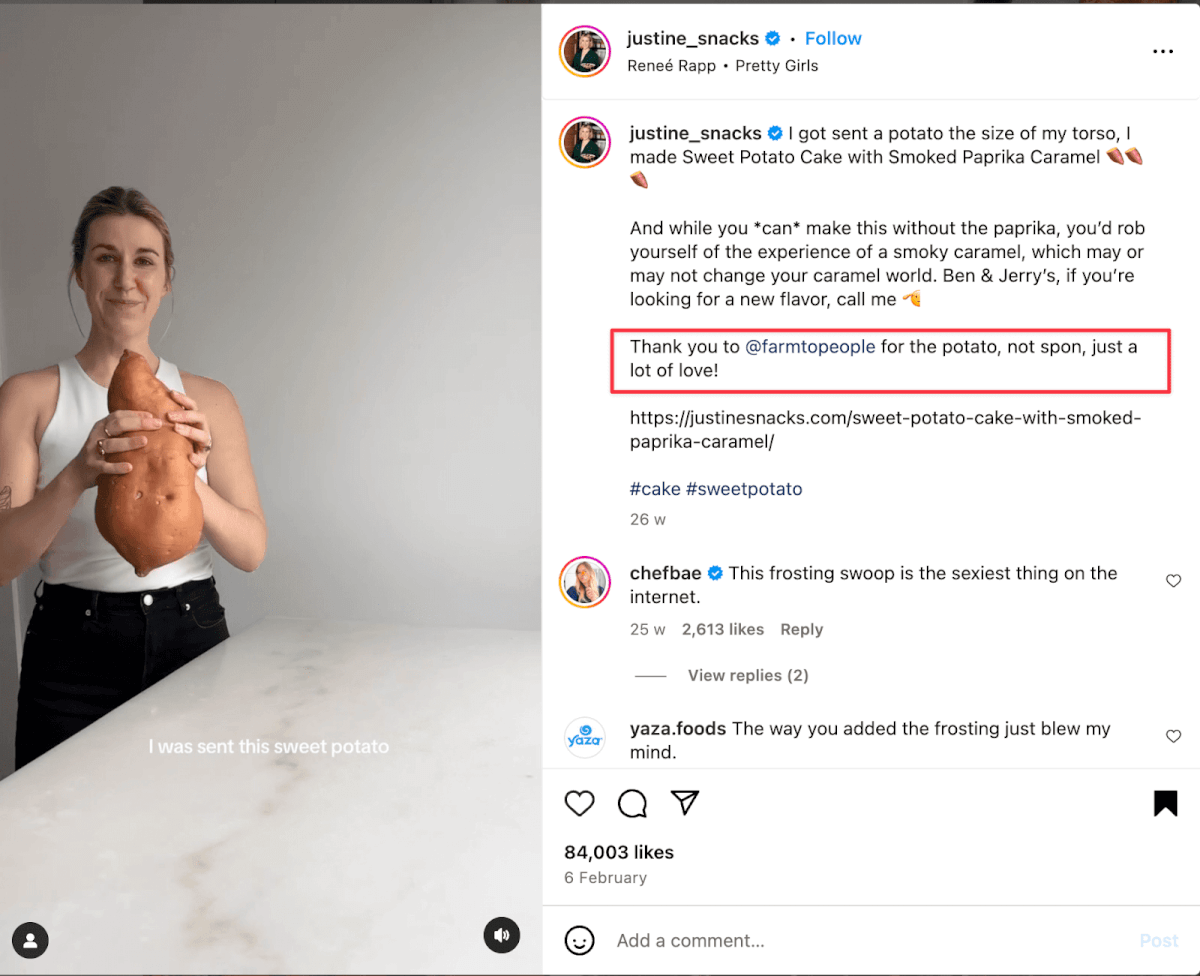
모든 인플루언서가 해시태그를 사용하는 것은 아니므로, 때로는 키워드에서 “not spon” 또는 “not sponsored”를 검색해 보는 것도 추천합니다. 예를 들어 Farm To People은 Justine Doiron에게 큰 고구마를 선물로 보냈습니다. 그녀는 게시물에 해시태그를 사용하지 않았지만, 선물에 감사를 표하고 해당 게시물이 스폰서 콘텐츠가 아니라고 언급했습니다.
다음을 병행하세요:
a) Modash와 같은 크리에이터 발굴 소프트웨어에서 인플루언서 프로필 내 “gifted” 해시태그와 키워드의 여러 변형을 테스트하기
b) 최근 스토리, 게시물 등을 직접 검토하여 제품 제공을 중심으로 한 콘텐츠를 게시하는지 확인하기
이 문제를 해결하는 또 다른 방법은 이미 브랜드를 좋아하는 인플루언서를 찾는 것입니다. 이러한 크리에이터는 이미 제품을 좋아한다는 것을 보여 주었기 때문에 훨씬 더 적극적으로 협업하려 할 것입니다. Cheyanne Pettyjohn은 Rookie Wellness의 인플루언서 마케팅 총괄로, 이러한 인플루언서를 찾는 몇 가지 방법을 제안합니다:
우리는 이미 접점이 있었던 인플루언서에게 기프팅을 하고 있습니다. 예를 들어 우리 페이지를 팔로우했거나, 우리가 그들의 콘텐츠에 댓글을 달았거나, 우리 제품을 홍보하는 다른 인플루언서의 콘텐츠에 그들이 참여한 것을 본 경우 등입니다.

이 플로차트는 인플루언서가 제품 제공 협업에 열려 있는지 빠르게 확인하는 방법을 설명합니다:

이 문제는 적합한 인플루언서 선정으로 귀결됩니다. 인플루언서가 여러분의 제품을 써볼 생각에 신이 나지 않는다면, 밋밋하고 영감 없는 콘텐츠를 만들게 됩니다. 인플루언서는 신중하게 선택하고, 가능하다면 제품 선택권을 제공하세요.
대표적인 예로, 스킨케어 크리에이터 Aishwarya Kandpal이 여러 PR 패키지를 받는 것을 본 적이 있습니다. 하지만 Deconstruct가 보낸 제품에는 유독 열광했는데, 그 회사가 그녀가 정말로 써보고 싶어 했던 선크림을 보냈기 때문입니다. 그녀의 스토리에서도 그 설렘이 그대로 느껴집니다.

크리에이터에게 영감을 주는 또 다른 방법은 깜짝 선물을 하는 것입니다. 예를 들어 Lauren Roth는 한 캔들 브랜드와 협업했습니다. 이 브랜드는 인플루언서에게 캔들을 선물할 때마다 선호하는 향을 물어봤습니다. 하지만 깜짝 선물로 비슷한 향의 제품도 함께 넣었습니다. 이런 세심함은 기쁨을 선사하고, 이는 인플루언서 콘텐츠에도 반영됩니다.
마지막으로, 크리에이터가 콘텐츠 아이디어를 브레인스토밍하도록 돕는 것을 주저하지 마세요! 바터 협업(크리에이터가 선물 받은 제품을 대가로 게시물을 올리기로 한 경우)을 진행한다면, 콘텐츠 제안을 할 여지가 있습니다.
문서로 몇 가지 아이디어를 제안하거나, 짧게 통화할 수도 있습니다. 이들은 처음 협업하는 크리에이터 파트너라는 점을 기억하세요. 이들은 여러분만큼 브랜드에 대해 잘 알지 못합니다. 이들이 고유한 관점을 찾도록 도와주세요 – 이는 이들의 창작의 자유를 제한하는 것이 아닙니다. 브랜드의 의견과 창작의 자유 사이에서 균형을 잡는 일이 어렵다면, 다음 차트가 방향을 잡는 데 도움이 됩니다:

인플루언서 기프팅은 저글링과 매우 비슷합니다. 관리해야 할 일이 아주 많기 때문입니다.
이 모든 작업을 수동으로 처리하면 지칠 수 있습니다. 기술을 활용해 가능한 한 많은 작업을 자동화하되, 가장 중요한 부분에서는 개인적인 소통을 유지하세요.
첫 단계부터 마지막 단계까지 전체 제품 제공 워크플로를 정리한 뒤 생각해 보세요. 이 시스템에서 반복 가능한 작업은 무엇인가요? 자동화하거나 템플릿화할 수 있나요?
하지만 수동 작업을 없앨 수 있는 데에는 한계가 있다는 점을 기억하세요. 결국 개인화된 아웃리치 메시지 & 메모 같은 작업에는 시간, 노력, 리소스가 필요하며, 바로 그것이 이런 작업을 특별하게 만듭니다. 사람다운 면모를 보여 주고 수많은 브랜드 사이에서 돋보이게 해 주는 수동 작업까지 자동화하지는 마세요.
마지막 과제는 인플루언서 제품 제공 캠페인의 ROI를 높이는 방법을 모르는 것입니다. 인플루언서 제품 제공의 효과를 극대화하는 가장 쉬운 방법은 이를 장기 파트너십으로 이어지는 디딤돌로 만드는 것입니다. 제품 제공은 진정성을 검증하고 제품을 진심으로 좋아하는 크리에이터 파트너를 찾는 데 도움이 됩니다. Piper Philips 전 Tru 마케팅 디렉터는 유료 파트너십을 제안하기 전에 항상 잠재적 크리에이터에게 무료 제품을 보냈습니다:
제가 아웃리치를 시작할 때는 항상 무료 제품을 제안하는 것부터 합니다. 유료 협업을 고려하려면 크리에이터가 실제로 우리 제품을 좋아해야 합니다. 제가 자주 쓰는 문구는 이렇습니다: ‘관심이 있으시다면 제가 직접 Tru를 보내드리고 싶습니다! (물론 아무 조건 없이요)’.

회사에서 인플루언서 제품 제공의 가치를 높이는 또 다른 방법은 동영상 후기, 웹페이지, 영업 자료 등 다른 용도로 인플루언서 콘텐츠를 활용하는 것입니다. 이러한 방식으로 인플루언서 콘텐츠를 재활용하면 조직 전반에 걸친 효과를 창출할 수 있습니다. Cherner도 이에 동의합니다:
콘텐츠 제작, 앰배서더 프로그램 확대 등 여러 방식으로 가치를 제공할 수 있는 파트너십 로드맵을 수립하세요. 이렇게 하면 제품 시딩 캠페인을 통해 마케팅 조직 전체의 ROI를 높일 수 있습니다.
이렇게 하려면 먼저 크리에이터의 콘텐츠 사용 권한을 확보해야 합니다. 방법은? 게시해 준 인플루언서에게 감사 인사를 전하고, 콘텐츠를 다시 게시해도 되는지 물어보세요. 일부 인플루언서는 이에 대해 추가 비용을 청구할 수 있지만, 마케팅 부서에 가치가 있다면 그만한 비용을 들일 가치가 있습니다.
인플루언서 기프팅은 상대적으로 더 어려운 길을 택하는 일입니다. 단순히 현금을 직접 지급하고 스폰서 게시물을 받은 뒤 끝낼 수는 없습니다. 장기적인 전략이지만, 충분히 추진할 가치가 있습니다.
기프팅은 인플루언서와의 관계를 시작하고 크리에이터와 브랜드의 적합성을 살펴보는 가장 좋은 방법 중 하나입니다. 매출원가(COGS)가 낮다면 최소한의 비용으로 이를 진행할 수 있습니다.
기프팅을 성공적으로 진행하는 방법이 더 궁금하신가요? 기프팅을 마스터하기 위한 일곱 가지 팁을 확인해 보세요.