July 15, 2025
โ€ข
8 mins

How To Recruit Affiliates: A Guide To Finding, Reaching Out, & Activating Affiliates!

๊ฒŒ์‹œ๋ฌผ ์ž‘์„ฑ์ž ๋ฐ ๊ธฐ์—ฌ์ž
Phil Norris
Modash์˜ ์ž‘๊ฐ€
Lee Drysdale
Argento์˜ ์‹œ๋‹ˆ์–ด ์ธํ”Œ๋ฃจ์–ธ์„œ ๋ฐ ์ œํœด ์ž„์›
Anna-Maria Klappenbach
์‹œ๋‹ˆ์–ด ์ธํ”Œ๋ฃจ์–ธ์„œ ๋งˆ์ผ€ํŒ… ๋งค๋‹ˆ์ €, Modash
๋ชจ๋“  ๊ฒŒ์‹œ๋ฌผ ๊ธฐ์—ฌ์ž ๋ณด๊ธฐ

Itโ€™s easy to see why brands are fans of affiliate marketing. Performance-based payments? The potential to reach a wide audience? Low risk? Check, check, and check โœ…โœ…โœ…

โ€

Affiliate marketing is also big with creators. In fact, two-thirds of influencer marketers say creators are becoming increasingly open to affiliate deals.

โ€

โ€

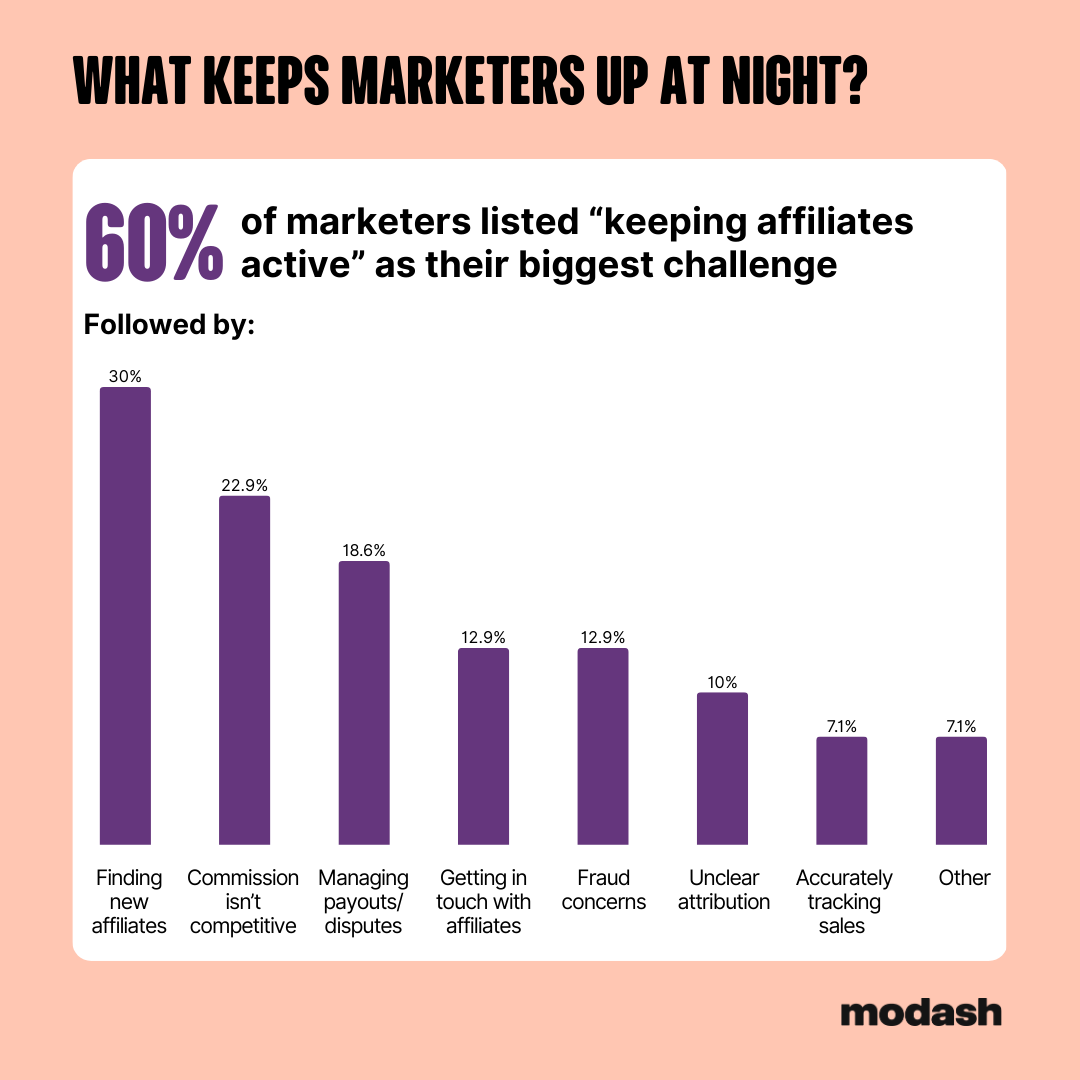
But youโ€™ll only enjoy the benefits of affiliate marketing if you find, reach out to, and onboard the right influencers โ€“ those who love your product and align with your brand, audience, and tone of voice.

โ€

With that in mind, read on for everything you need to know about recruiting affiliatesโ€ฆ

โ€

How to find affiliates for your brand

FYI, Iโ€™ve already written a dedicated article on how to find brand-match affiliates, so Iโ€™m not going to go too deep on the process here.

โ€

Instead, Iโ€™ll share three tried-and-trusted methods for finding affiliates โ€“ but I definitely recommend checking out the above article to learn more โ˜๏ธ

โ€

1. Search your existing customer base

Existing customers make perfect affiliates. Think about it:

โ€

  • They dig your brand and have valuable, hands-on experience using your product.
  • They have stories that connect with consumers who share their interests and pain points.
  • Research shows that almost half of loyal customers are happy to recommend their fave brands to friends and family.

โ€

Plus, inviting current customers to join your affiliate program gives them a stake in your success, making them even more loyal. ๐Ÿค

โ€

One of the best ways to search for customer advocates among your existing audience is to share information about your affiliate program in yourโ€ฆ

โ€

  • Email newsletters
  • Social media posts and bios
  • Order confirmation emails

โ€

For example, organic children's clothing brand Rose and Guy occasionally promotes its affiliate program on Instagram Reels:

โ€

โ€

Make it easy for customers to get involved in your affiliate program by sharing signup instructions and, ideally, pointing them toward a dedicated landing page containing additional information like:

โ€

  • Eligibility requirements, if any
  • Full details on how to apply
  • Your commission rate
  • Any exclusions, such as sale products or certain product categories
  • Additional affiliate perks, like store discounts and performance-related bonuses

โ€

That way, everyone will be crystal clear about whoโ€™s a good fit for your affiliate program and why they should join.

2. Browse social media for niche creators

There are hundreds of millions of niche content creators on social media. Some are full-time influencers, but most are small accounts who are passionate about their chosen subject matter.

โ€

These creators are likely already posting about brands like yours; they might even have used your product before! Either way, theyโ€™d make great affiliates.

โ€

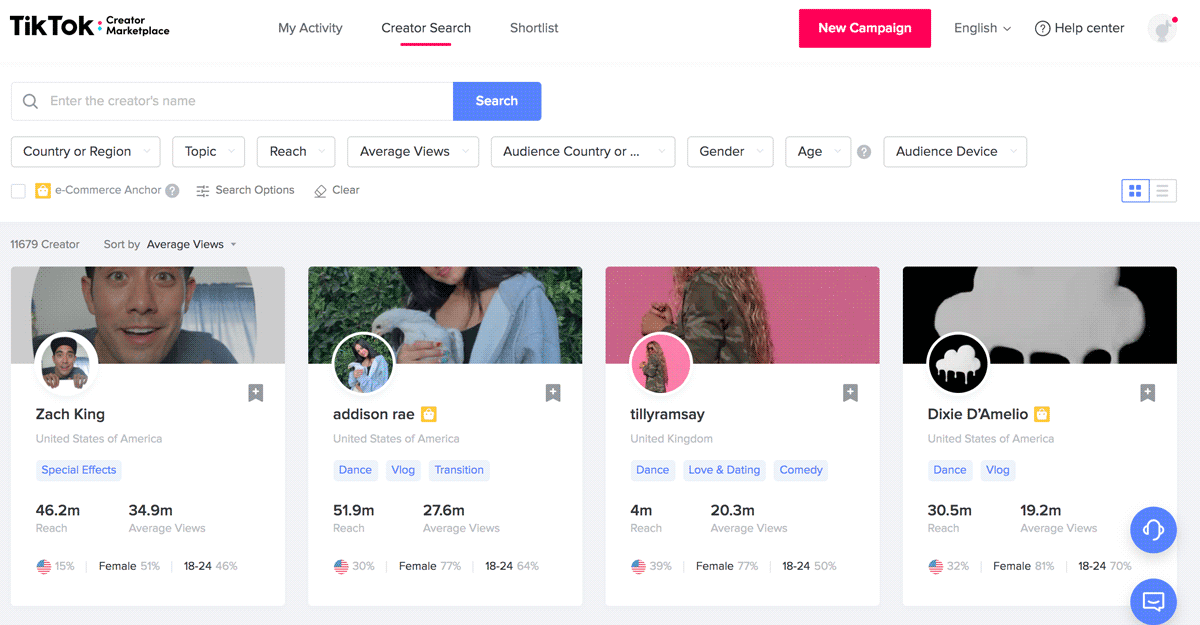
To find these niche creators manually, search social platforms for product or topic-related hashtags, such as #browtint:

โ€

โ€

From there, browse the search results, make a shortlist of creators whoโ€™d make great affiliates, then slide into their DMs to share your affiliate offer.

โ€

Though simple, this method is only effective to a point โ€“ the built-in search tools on social platforms are seriously limited, making it hard to get specific about the accounts youโ€™re looking for.ย 

โ€

For instance, you canโ€™t search by location, so if you only want to work with affiliates in a certain country, youโ€™ll have to do the detective work yourselfโ€ฆ which is fine if youโ€™re only searching for a handful of affiliate partners, but itโ€™s costly at scale.

โ€

If only there was another wayโ€ฆ

โ€

3. Use an influencer search tool

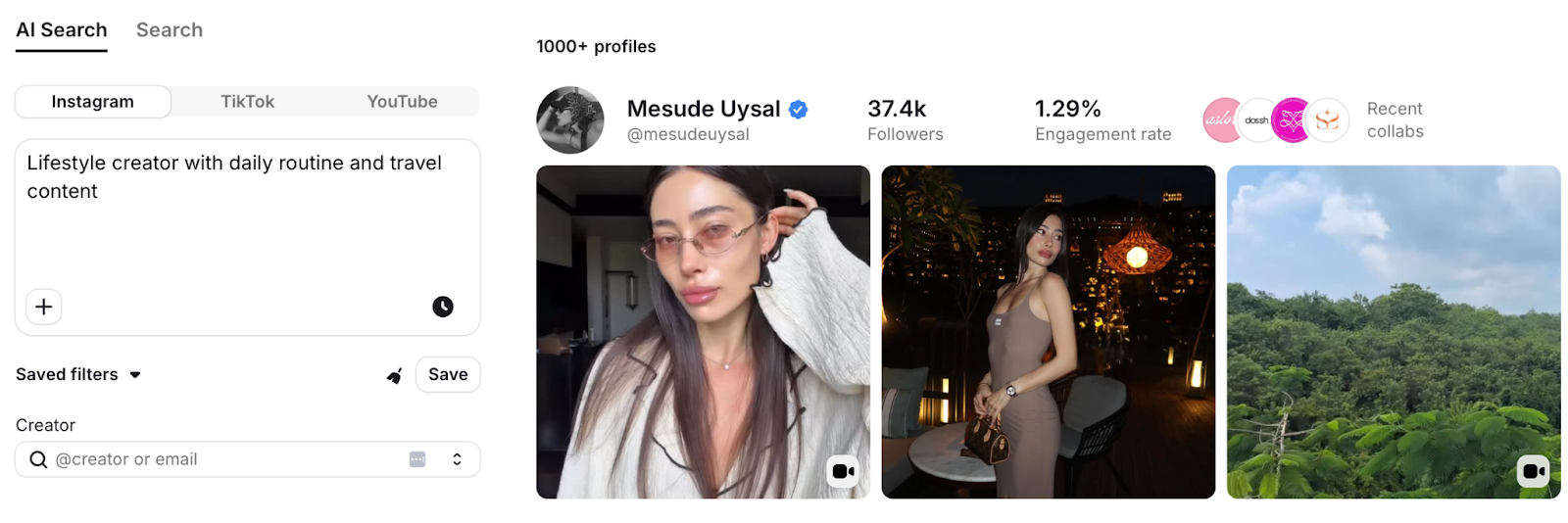
The quickest, simplest, most repeatable and scalable way to find brand-fit affiliates is to use an influencer search tool like Modash.

โ€

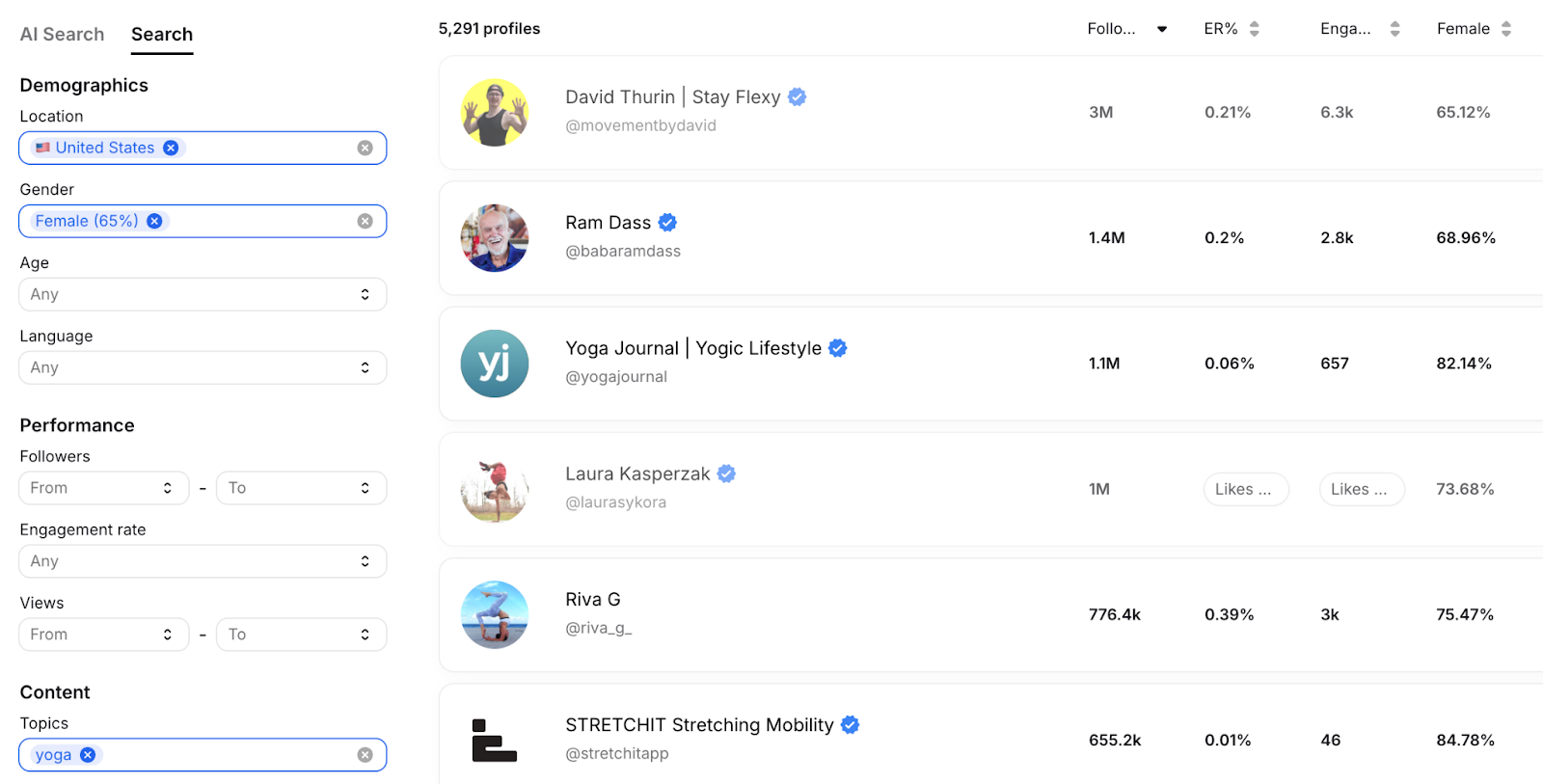
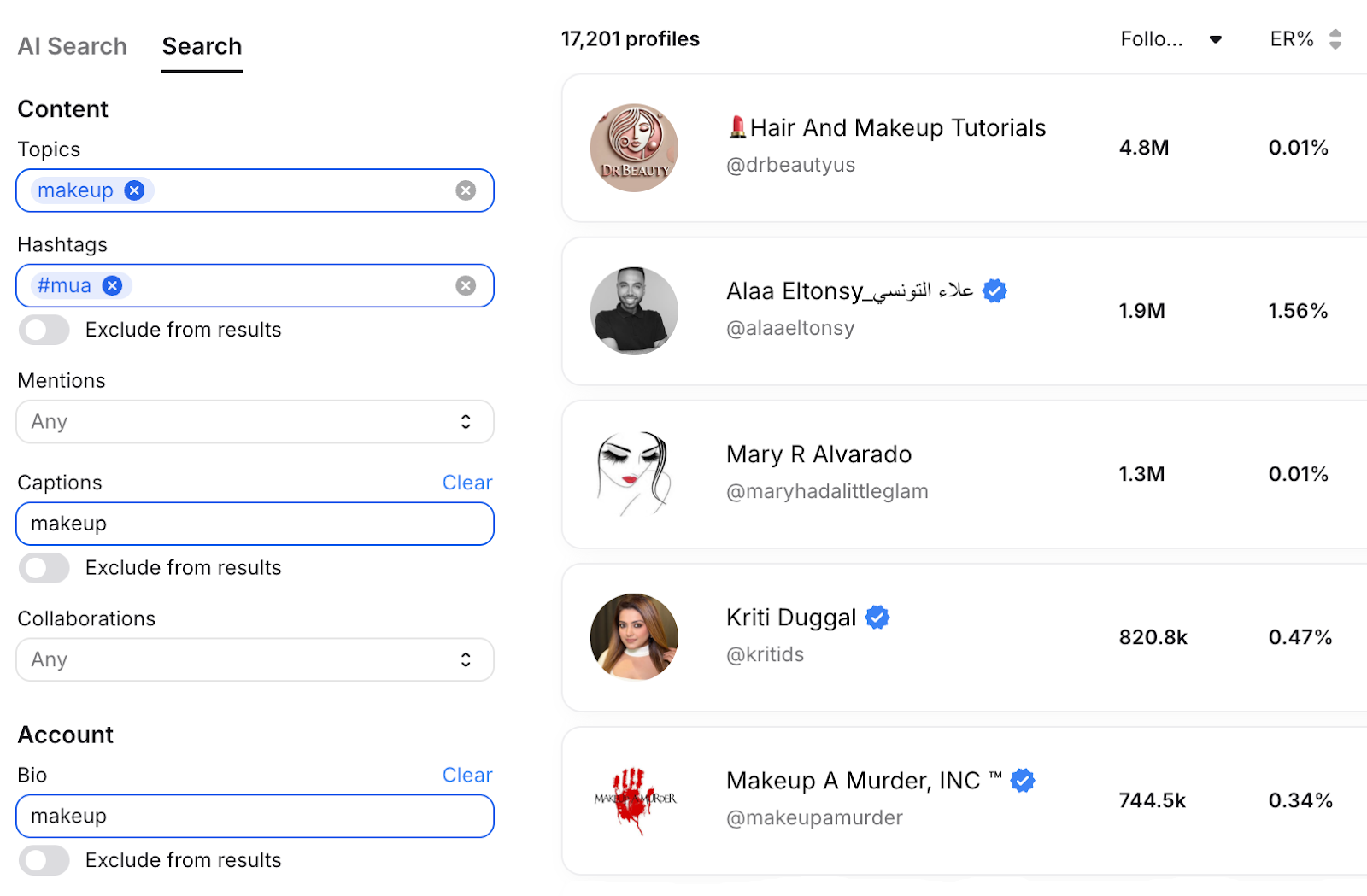
Unlike when you use a social platformโ€™s search tool, Modash lets you narrow down your results using filters like follower range, niche, location, growth rate, and more. That way, you can find thousands of highly relevant accounts in a couple of clicks.

โ€

โ€

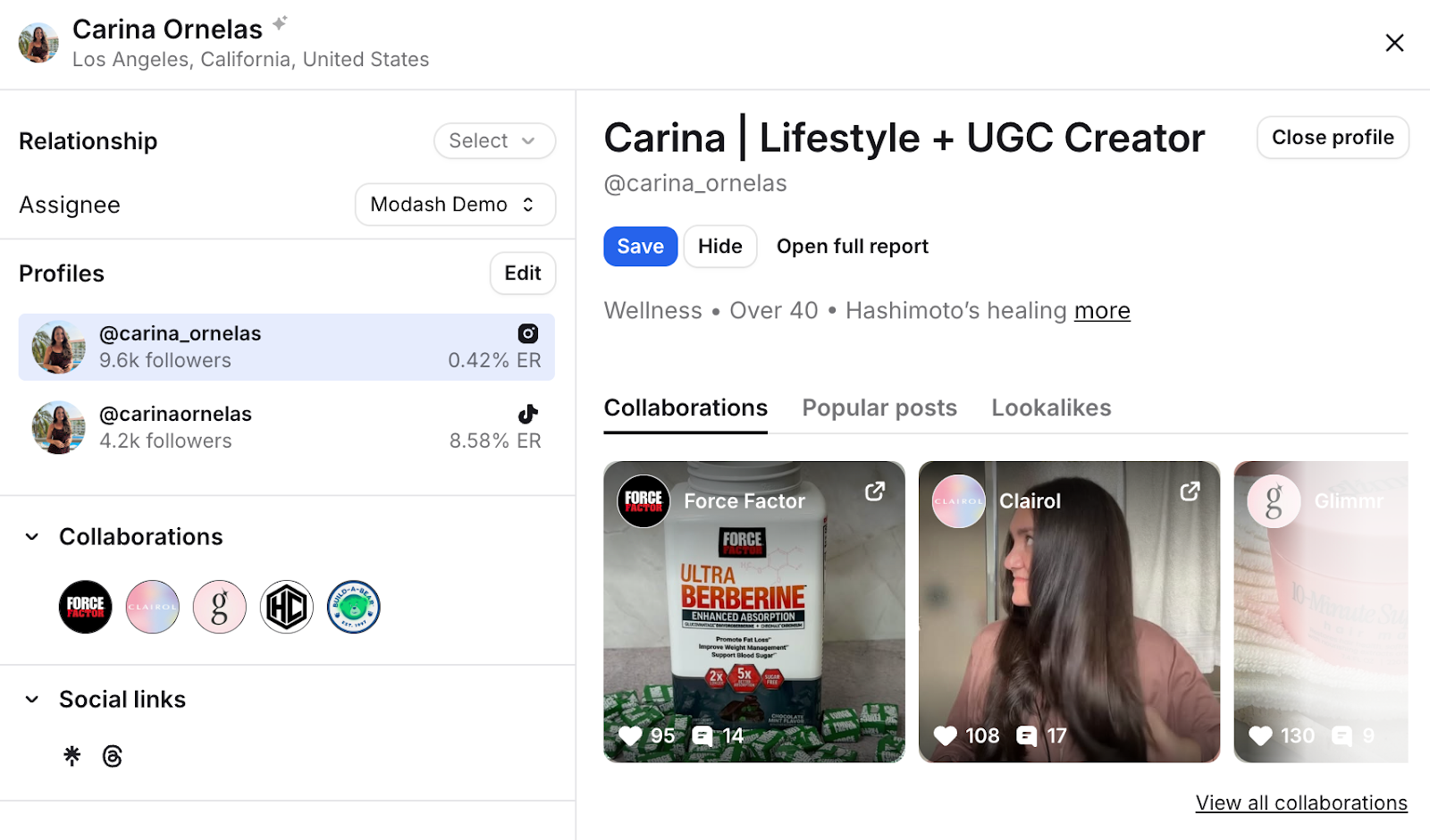
When you find your first match, open their profile in Modash to analyze their audience and activity, including:

โ€

  • Follower age, gender, and location
  • Engagement rate and estimated impressions, segmented by content type
  • Examples of popular and sponsored content

โ€

That way, by the time youโ€™re ready to reach out to a potential affiliate, youโ€™ll already be confident that you want to work with them ๐Ÿ‘

โ€

And because you donโ€™t have to ask the influencer to send you a bunch of screenshots to get the above info, using an influencer search tool is a massive time-saver.

โ€

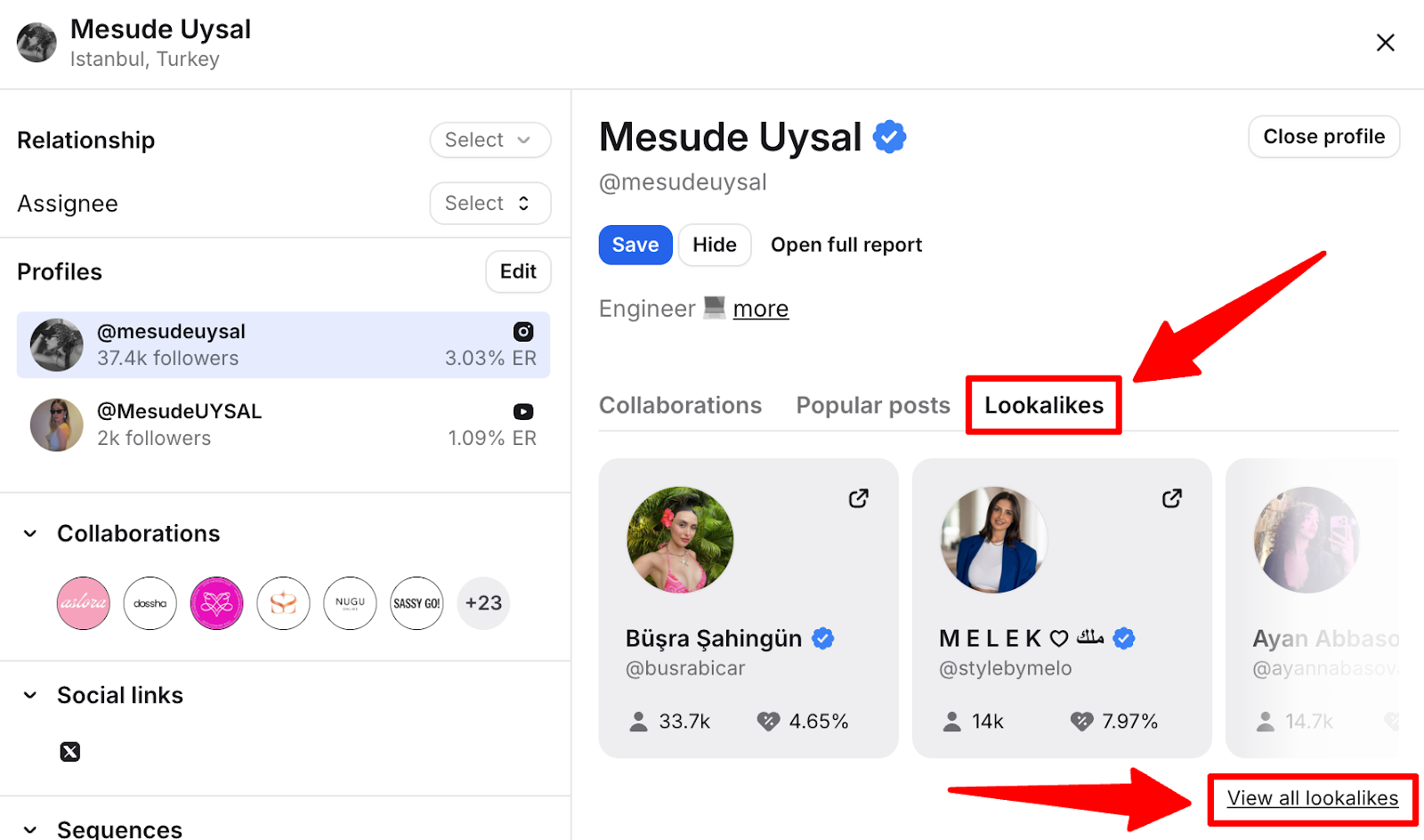
In Modash, you can even find lookalike accounts based on an influencerโ€™s content and audience. So when you identify an account whoโ€™s a perfect fit for your brand and audience, you can instantly discover another dozen-or-so similar profiles.

โ€

โ€

๐Ÿ‘‰Give our full suite of influencer search tools a try by signing up for your free trial of Modash!

โ€

How to reach out to affiliates

If youโ€™re doing outbound affiliate recruitment โ€“ like searching for affiliates on social media or using a dedicated influencer discovery tool โ€“ the next step is to ask if they want to work with you.

โ€

Youโ€™ve got three options:

โ€

  1. Reach out through DMs.
  2. Send a cold email.
  3. Do a bit of both.

โ€

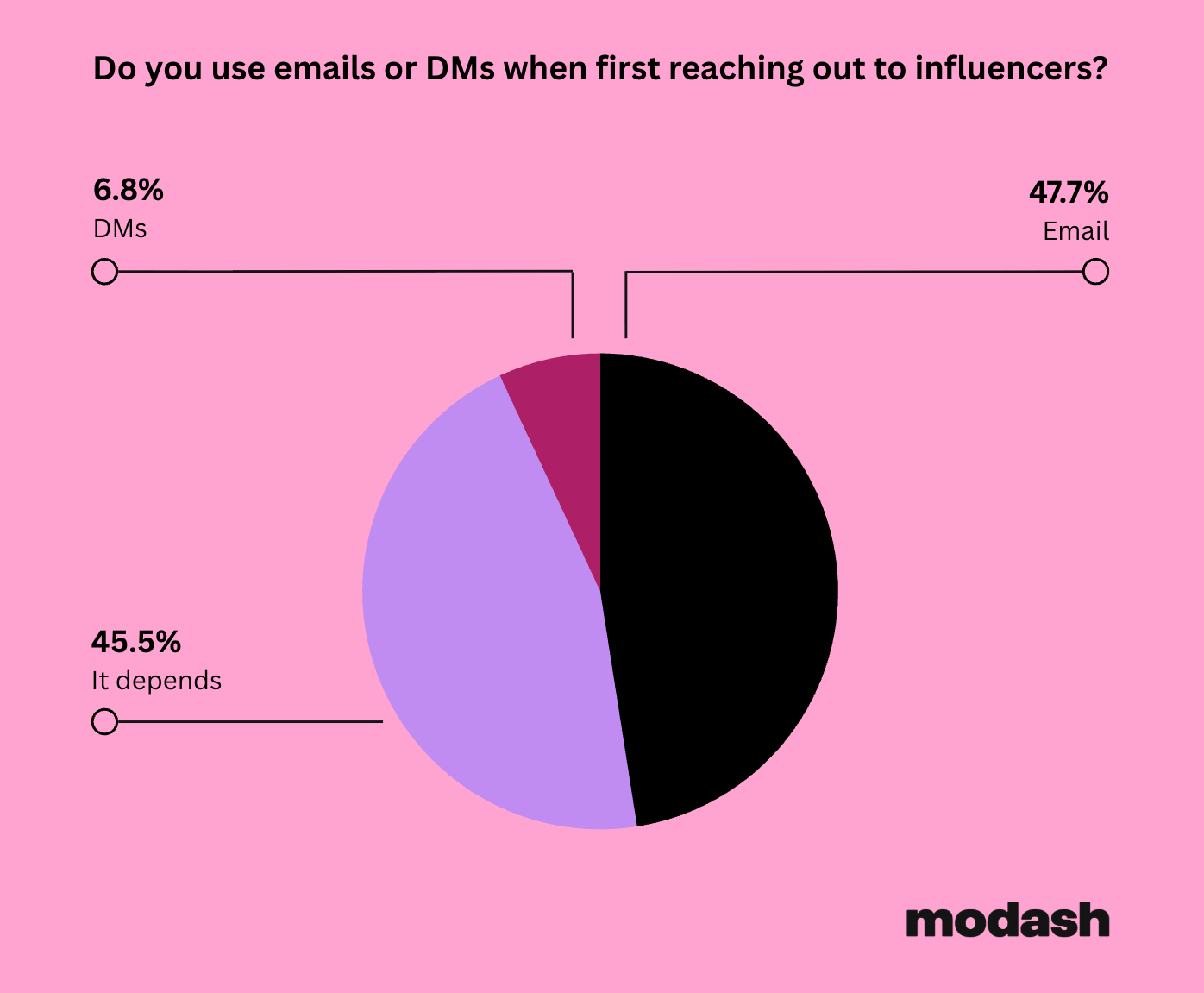
Option 3 is the usually best approach because the more channels you use, the more likely the affiliate will see (and reply to) your message.

โ€

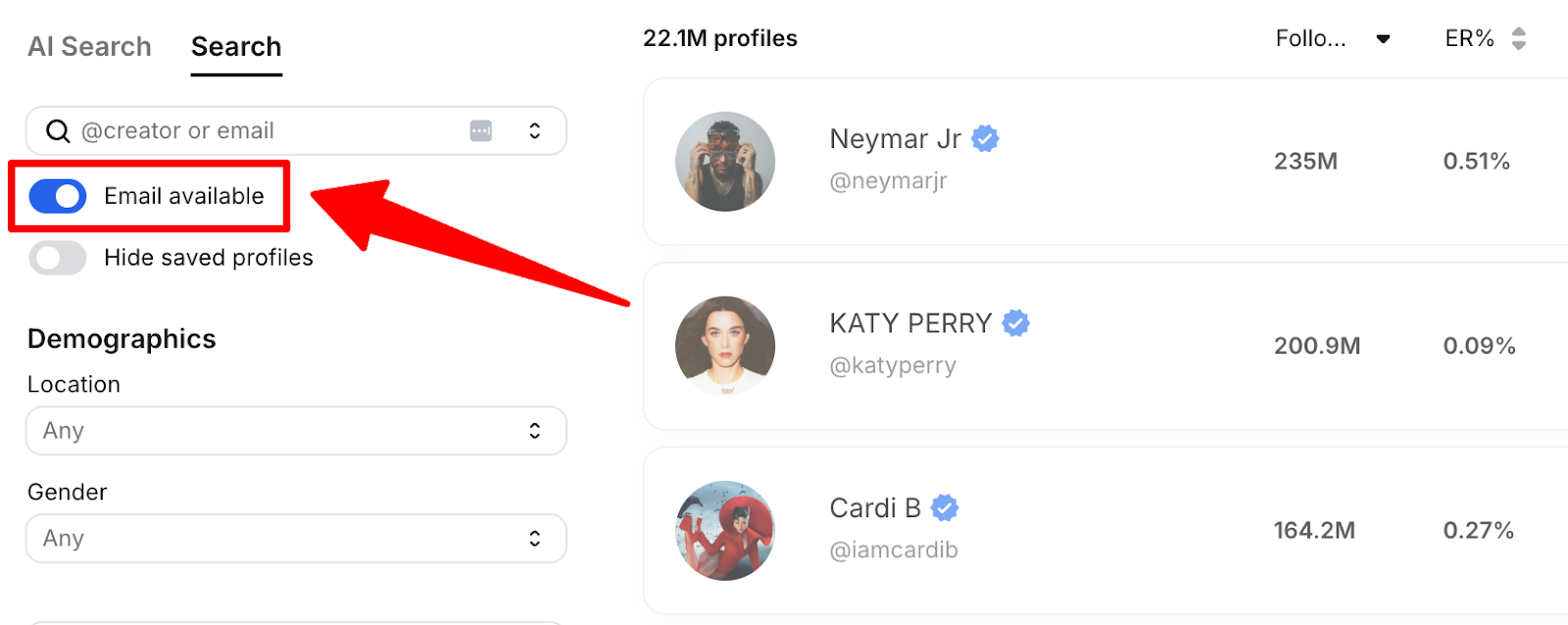
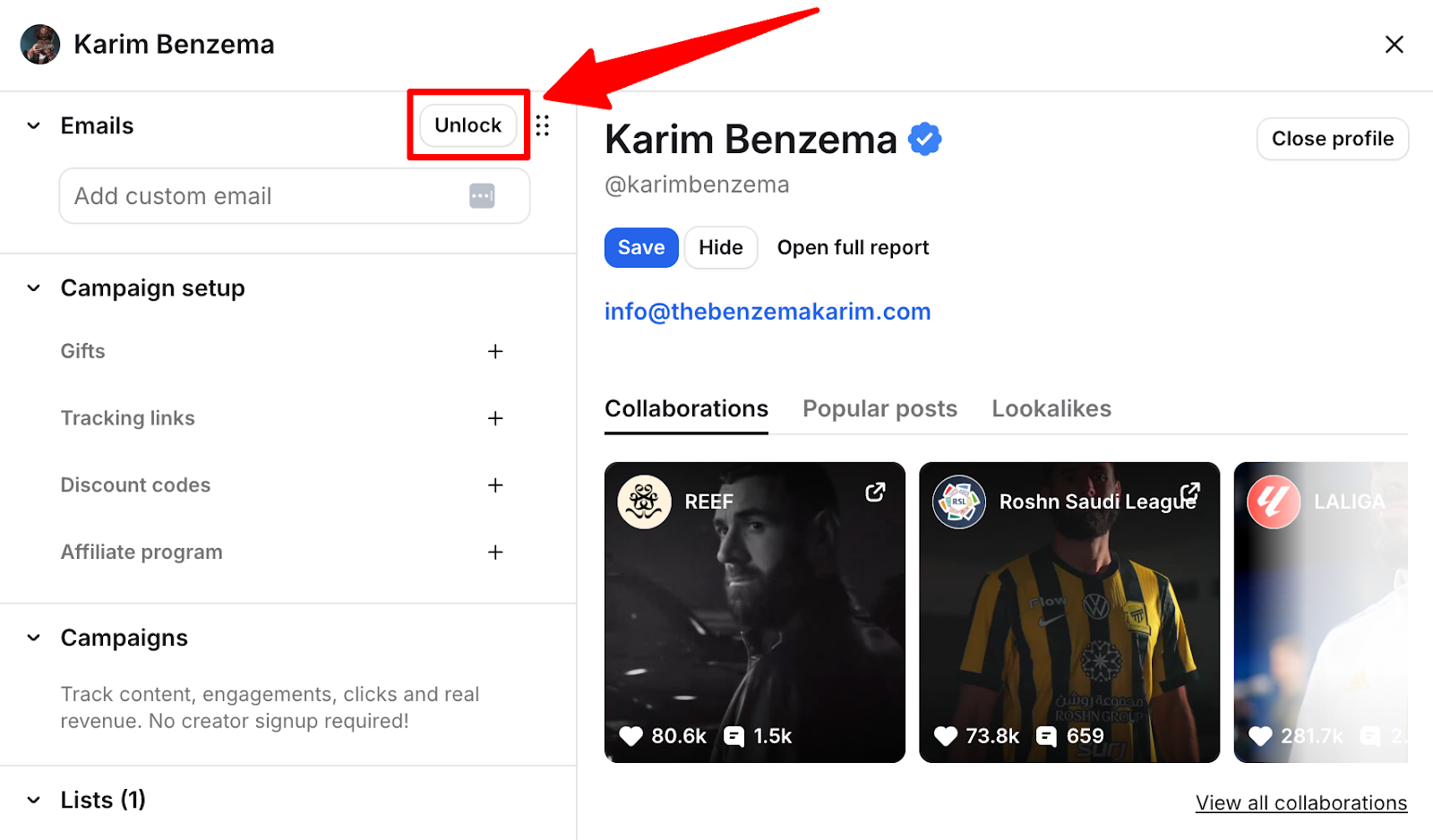
๐Ÿค“Pro tip: Donโ€™t waste time manually clicking around social media bios to track down email addresses. Modash lists all publicly available influencer email addresses, and we have a built-in bulk finder for hidden emails.

โ€

As always with influencer outreach, the best way to get a high response rate and lots of yeses from potential affiliates is to personalize your message.

โ€

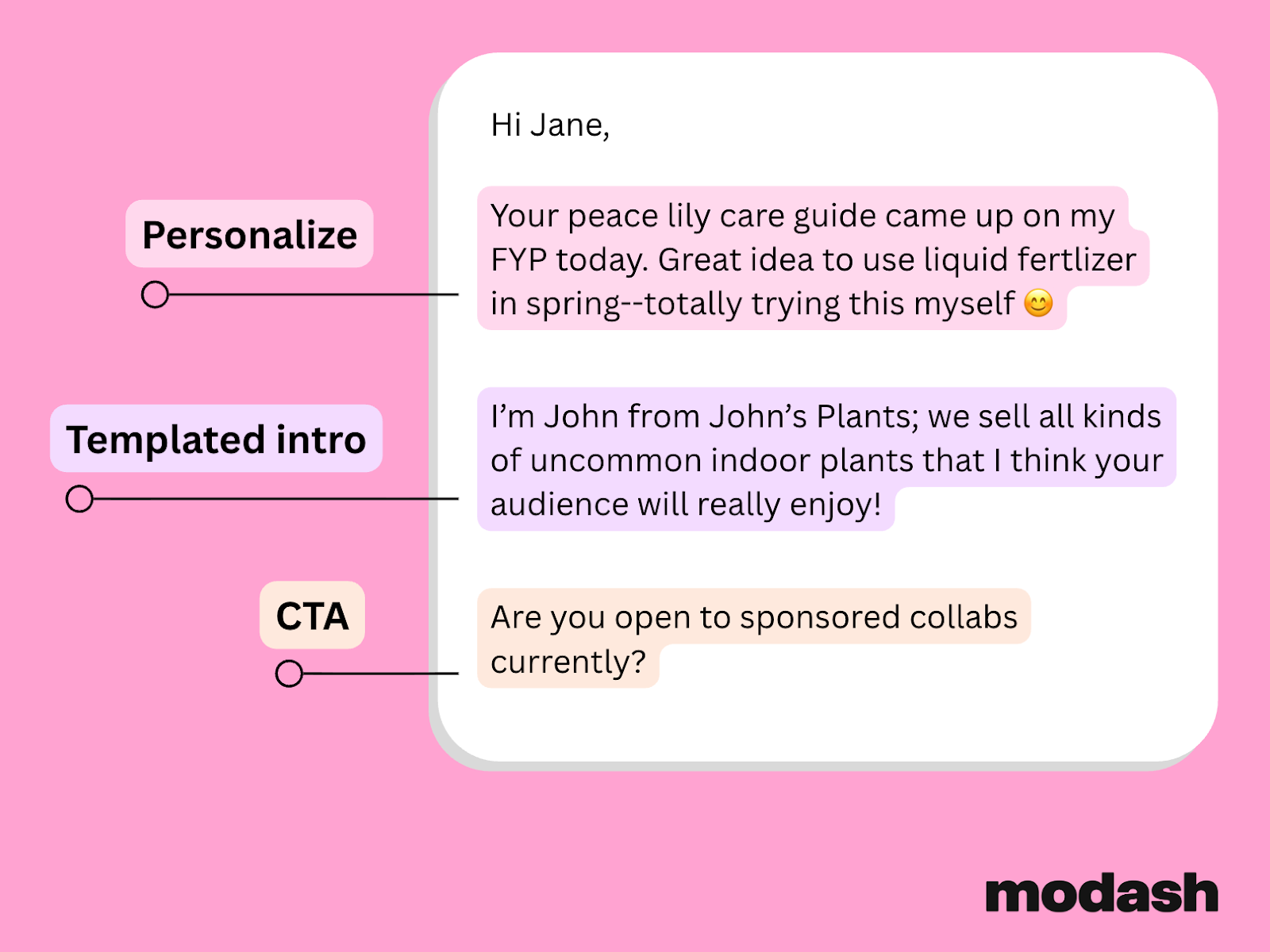
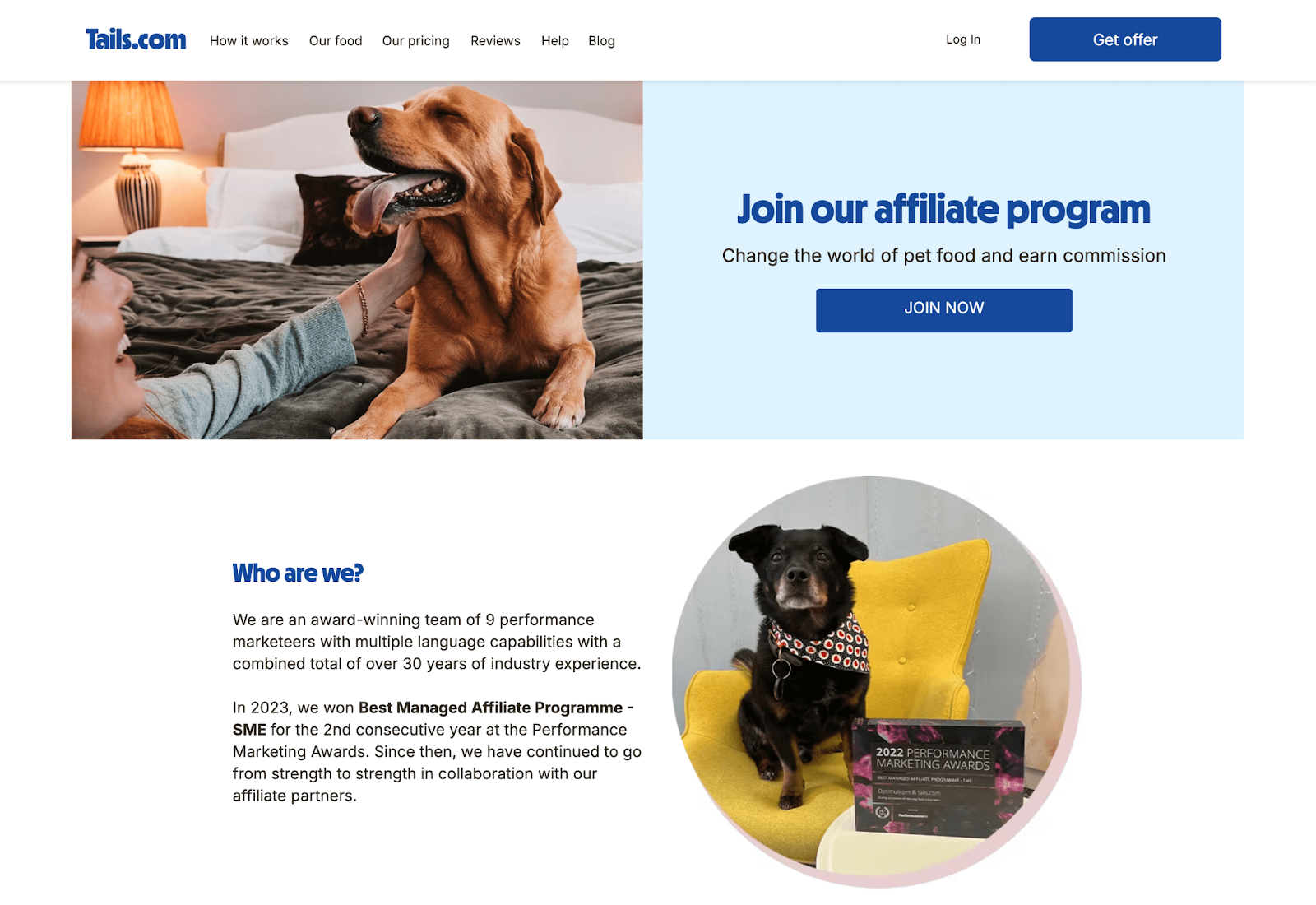
That said, there are only so many hours in the day, and you shouldnโ€™t spend them all on outreach. For an efficient way to write custom outreach messages, try personalizing only the first sentence or two of your email and templating the rest, just like in this example:

โ€

โ€

The templated section should contain information similar to that of your affiliate landing page, i.e., how to apply, program terms, and juicy perks that would compel the influencer to sign up.

โ€

๐ŸŽ“Further reading: Learn more in 8 Influencer Outreach Templates (& How To Personalize Them) and 14 Influencer Outreach Examples From Real Brands.ย ย 

โ€

Now, letโ€™s talk follow-ups.

โ€

For some reason, every other article on this topic seems to recommend sending a million follow-up emails, just in case the previous 999,999 didnโ€™t do the job ๐Ÿ™„

โ€

Donโ€™t follow their advice. Instead, listen to pro influencer marketer Marit Tiesema โ€“ take the hint and bow out when an affiliate doesnโ€™t reply after one or two follow-ups.

โ€

https://www.youtube.com/shorts/rLAf0c5EI1M

โ€

๐ŸŸงHTML

<iframe width="315" height="560" src="https://www.youtube.com/embed/rLAf0c5EI1M" title="Stop Doing This in Cold Outreach! ๐Ÿ“ง" frameborder="0" allow="accelerometer; autoplay; clipboard-write; encrypted-media; gyroscope; picture-in-picture; web-share" referrerpolicy="strict-origin-when-cross-origin" allowfullscreen></iframe>

โ€

And remember, weโ€™re talking about low-commitment outreach to affiliates, not high-intent outreach to influencers you want to work with long-term. Donโ€™t waste your precious time sending a ton of follow-ups just so the creator can share a couple of affiliate links on their socials.

โ€

How to nail affiliate activation

Cool, youโ€™ve found some affiliates and reached out to them. Now, Iโ€™ve just mentioned that affiliate marketing is a low-commitment game, so even if youโ€™ve vetted these creators, there is no guarantee they will send a ton of business your way.

โ€

But you can massively increase their chances of doing so with effective affiliate activation and onboarding. Here are five ways to get it rightโ€ฆ

โ€

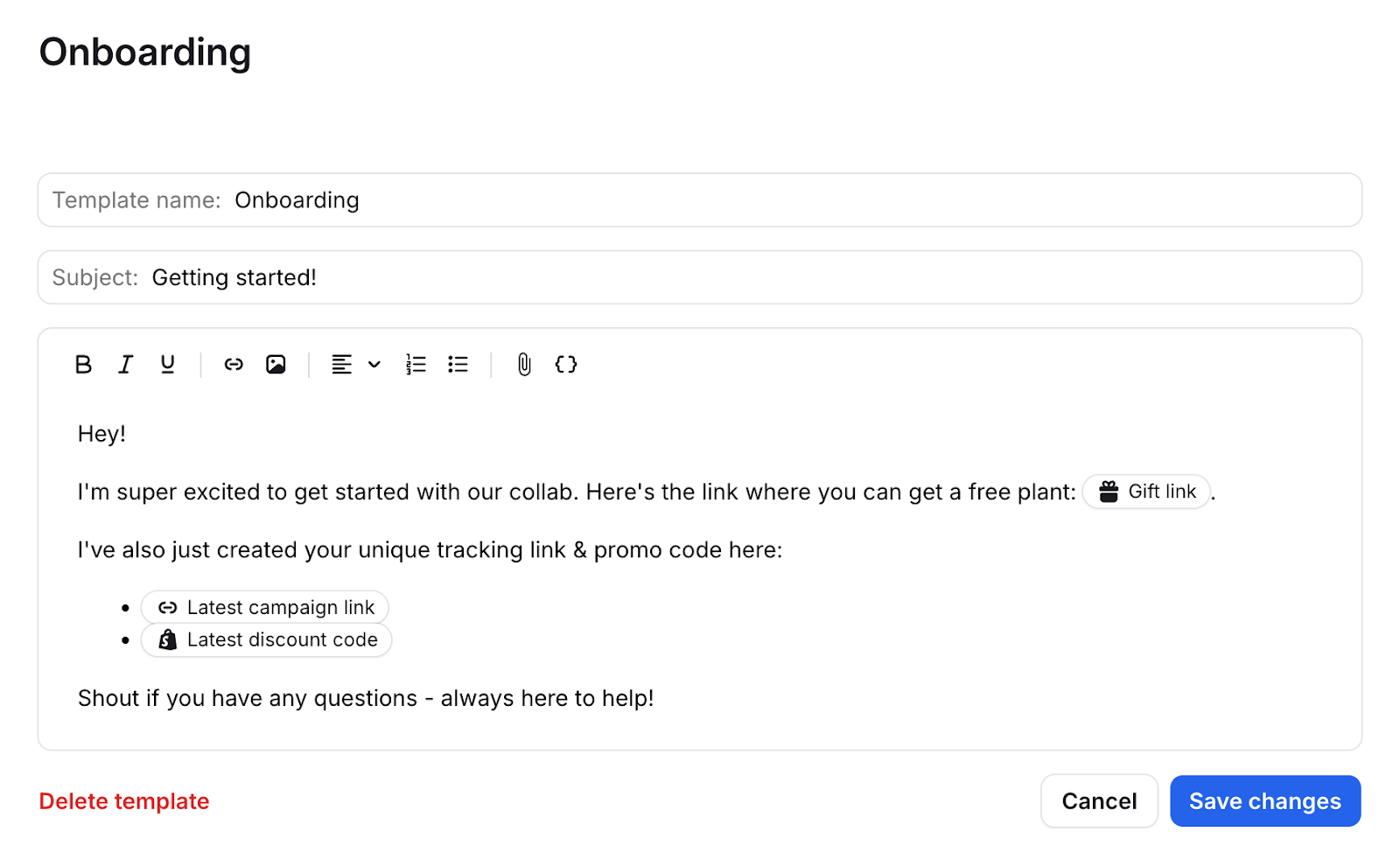
1. Send an action-oriented welcome email

Ever walked into a new fast food joint and felt completely overwhelmed by all the menu options? Do I want rice or noodles? Should I add spring rolls? What sauce do I choose? What about toppings??? ๐Ÿคท

โ€

Honestly, itโ€™s enough to make you give up without ordering a thing.

โ€

For creators, joining a new affiliate program is kinda the same โ€“ it sounds good in theory, but theyโ€™re often left wondering how to get started.

โ€

Thatโ€™s why it pays to kick off your relationship by sending a welcome email detailing:

โ€

  • What you sell: A brief description of your products (with a particular focus on your bestsellers) and their USPs.
  • Target audience: Who youโ€™re trying to reach โ€“ where they live, how old they are, what theyโ€™re interested in, and any other relevant information.
  • Geographic limitations: If you only deliver to the mainland US or the UK, for example, this is the time to tell your new affiliates.
  • Commission rates: A reminder of what actions youโ€™re trying to drive โ€“ presumably either leads or sales โ€“ and how much you pay per successful conversion.
  • Tracking instructions: Explain how affiliates can access their unique UTM link or discount code (or, if possible, share them in the email).
  • Additional assets: Detail what marketing collateral you offer, such as product feeds, banners, and promotions.
  • Contact information: Tell affiliates who they can get in touch with if they have any questions, including a name and email address.

โ€

By setting your affiliates up for success from the first official email, theyโ€™ll be more enthusiastic about promoting your brand.

โ€

2. Keep affiliates engaged through one-to-many broadcast channels

Of course, effective affiliate communication doesnโ€™t end with a welcome email.

โ€

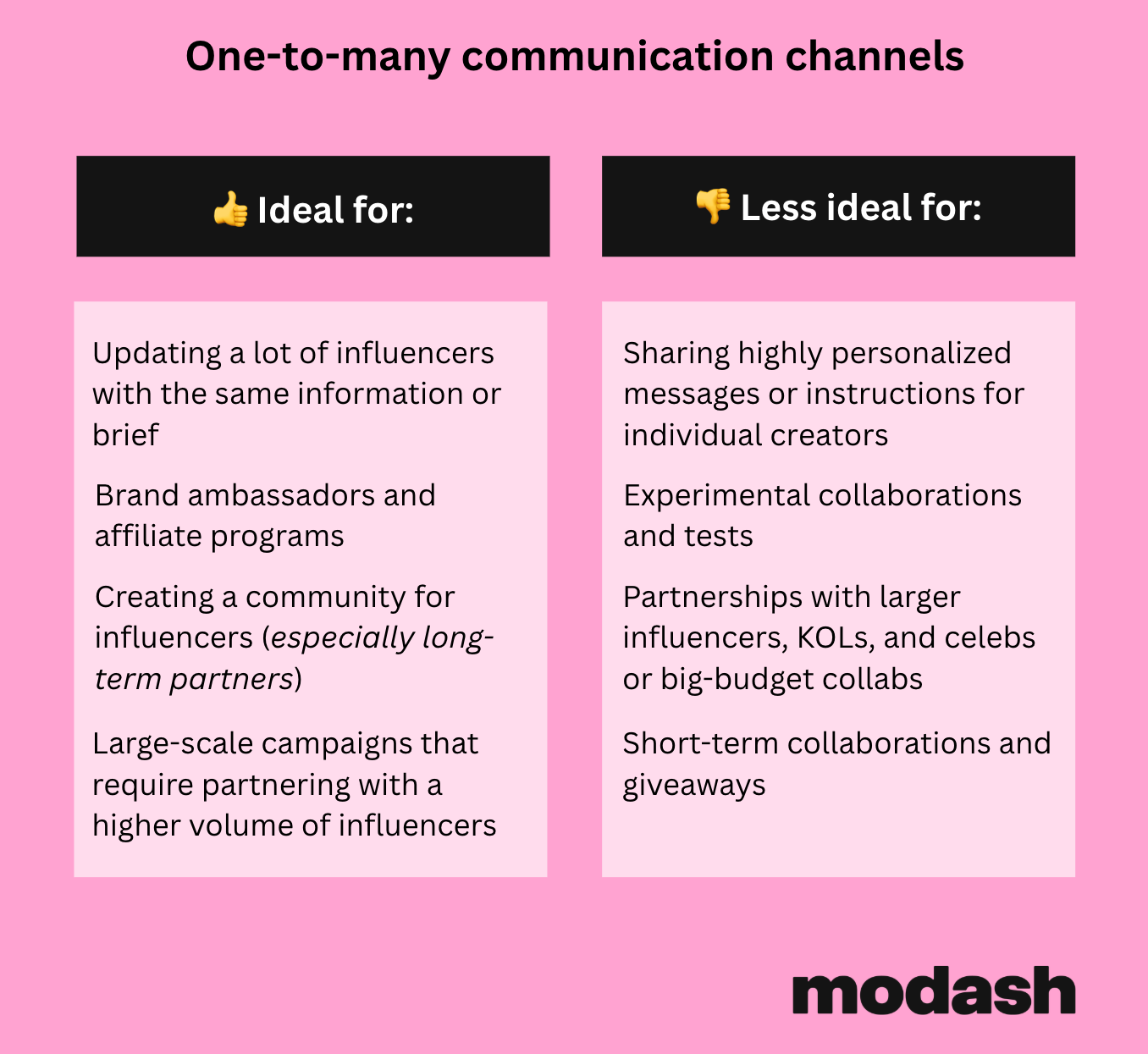
Your affiliate partners should always feel engaged and motivated to create fantastic content promoting your brand and productsโ€ฆ but no one has the bandwidth to craft 1:1 messages for every product launch and each upcoming sale.

โ€

The solution? One-to-many broadcasts ๐Ÿ“ขย 

โ€

Iโ€™m talking about channels like:

โ€

  • Email newsletters
  • Slack channels
  • WhatsApp groups
  • Discord servers

โ€

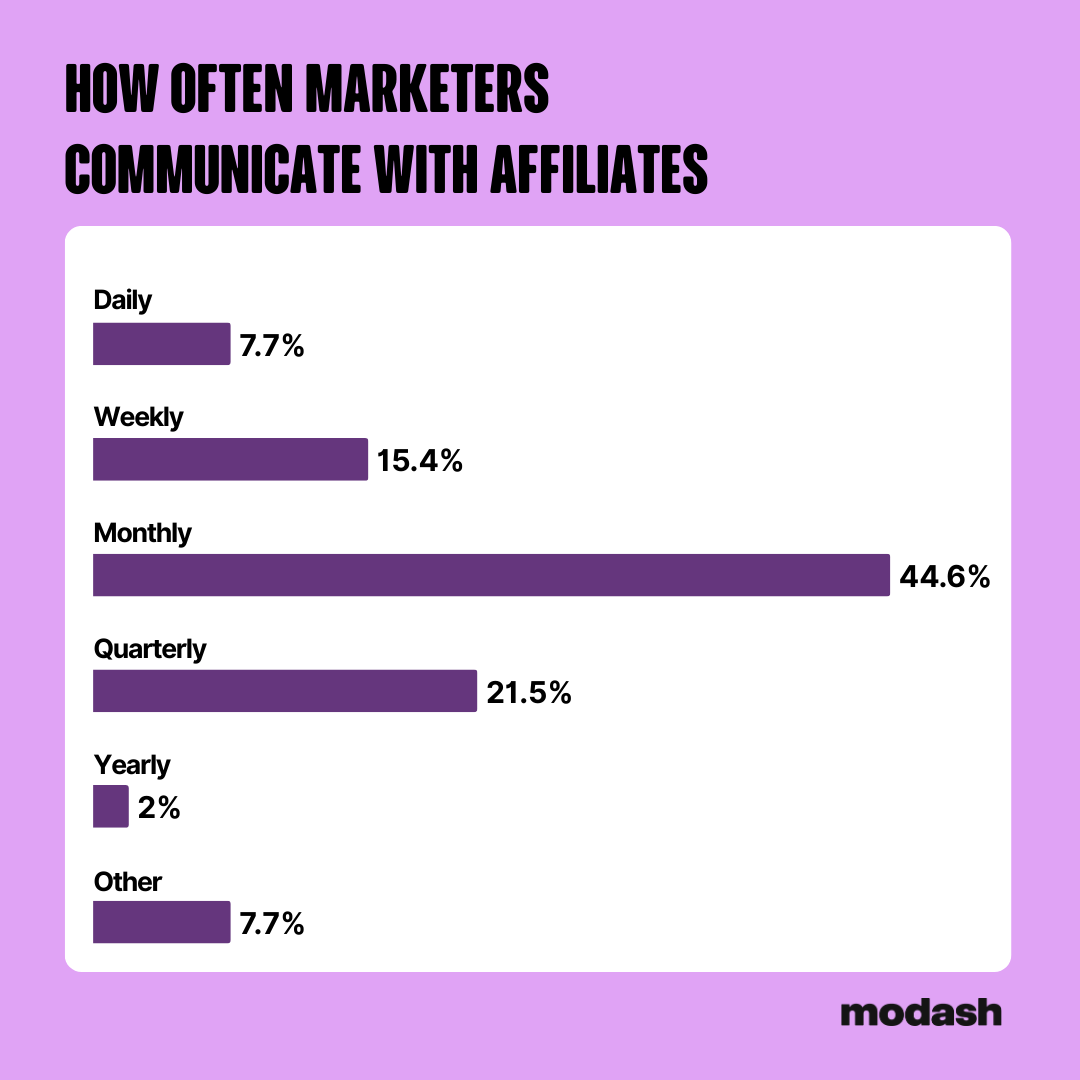
These help you scale your comms efforts while cutting down on the time it takes to send individual messages. Broadcast channels are a valuable tool for all types of influencer marketing, but theyโ€™re especially popular among marketers running affiliate programs:

โ€

โ€

Lee Drysdale says these channels make communicating with affiliates much more efficient:

โ€

๐ŸŸง[One-to-many channels] are the easiest way to let affiliates know if there are any last-minute brand updates, such as โ€œWeโ€™re bumping commissions for the weekendโ€ or flash sales, new codes, etc.

๐ŸŽ“Further reading: Learn more in our guide to using broadcast channels in influencer marketing.

โ€

3. Share useful resources

Affiliates want to make money. And you want them to make money too, because each commission payment represents a successful sale ๐Ÿ›’

โ€

The thing is, when it comes to promoting your products, youโ€™ve got better insight into what works (and what doesnโ€™t) than your affiliate partners do. So why leave them to figure it out for themselves?

โ€

Brands with top-performing affiliate programs routinely share monetization tips and strategies with affiliates, such as:

โ€

  • High-intent keywords to target in SEO blog posts
  • Templated landing pages affiliates can use to promote your product
  • Popups, banners, and other useful marketing assets for affiliate websites
  • Ideas for hooks to use in video posts and social captions
  • Trending product roundups to help affiliates choose which products to promote
  • Sneak peeks of forthcoming product launches and promotions
  • Common customer pain points to inform affiliate messaging
  • Examples of high-value content from successful affiliate partners

โ€

For example, Amazon runs one of the worldโ€™s largest affiliate programs, Amazon Associates. They regularly use their affiliate newsletters to promote Creator University, their in-house resource for affiliate marketing best practices:

โ€

โ€

Creator University is home to guides on everything from getting started as an Amazon Associate to discovering in-demand products and mastering video editing tools.

โ€

The smartest content inside Creator University are examples of real-world affiliates who are making big bucks from Amazon Associates:

โ€

โ€

By clicking on these Amazon storefronts, other affiliates can check out their socials, and steal โ€“ sorry, get inspired by โ€“ the highest earnersโ€™ best content formats.

โ€

4. Launch affiliate program challenges

Generous commissions might be enough to attract affiliates to your program, but once theyโ€™re in, youโ€™ll need to motivate them to go the extra mile for your brand ๐Ÿƒโ€โ™€๏ธ

โ€

Enter: incentives that go above and beyond your standard commission rate.

โ€

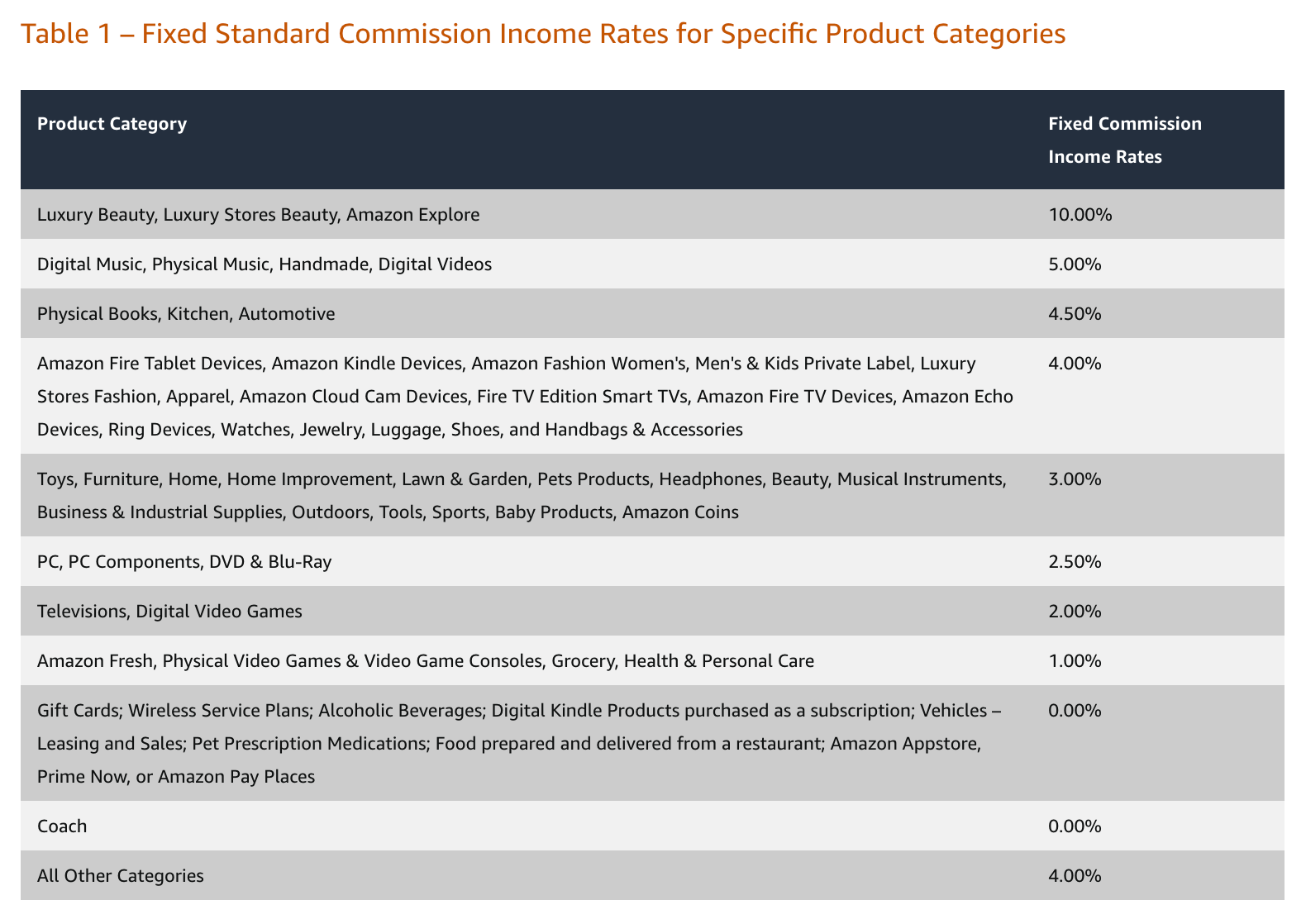
One option is to run regular โ€œbonusโ€ events in which you pay higher commissions โ€“ another of Amazonโ€™s favorite tactics. During one such promotion, Amazon raised rates across the board, with some categories seeing bigger increases than others:

โ€

โ€

This approach encourages affiliate partners to explore different product types, thereby potentially unlocking new revenue streams and boosting engagement.

โ€

The key is that affiliates donโ€™t know when these bonus events are going to drop โ€“ and because nobody wants to miss an opportunity to earn significantly higher commissions, affiliates are more likely to engage with Amazonโ€™s messaging year-round.

โ€

But thatโ€™s far from the only way to keep your affiliates motivated. Other incentives include:

โ€

  • Tiered commissions: Allow affiliates to unlock higher rates based on the number of sales or amount of revenue they generate in a given period (more on this in the next section).
  • One-off bonuses: Offer a fixed bonus to the affiliate who drives the most sales in a set period, or reward all affiliates who reach a certain sales threshold.
  • New affiliate bonuses: Reward affiliates for hitting early milestones, like generating five sales in a month.
  • Non-financial incentives: Reward top earners with free product, event invites, and moreโ€ฆ the choice is yours.
  • Personalized affiliate support: Work with high-earning affiliates to help them refine their strategies, identify new content themes, and generate more sales.
  • Custom assets: Share personalized brand assets like banners, widgets, and landing pages to help your top affiliates look more legit.
  • Leaderboards: Rank your three, five, or 10 highest-selling affiliates over a set period. Sometimes the only motivation we need is to know weโ€™re the best at something!ย 

โ€

For more ideas, simply survey your affiliates about what incentives would motivate them to keep promoting your product โ€“ itโ€™ll give affiliates a sense of ownership and make them feel more connected to your brand.

โ€

5. Introduce tiered affiliate categories

Unlike children, you donโ€™t have to pretend that you love all your affiliates equally.

โ€

Thereโ€™s absolutely nothing wrong with offering more attractive terms to your highest-performing affiliate partners. Theyโ€™re making more money for your brand, after all, so itโ€™s in your best interest to keep them onboard.

โ€

One popular approach is to pay tiered commissions in which affiliates earn higher rates for hitting predefined sales milestones. For instance, fashion retailer Saledress has a default 8% commission rate โ€“ but this rises to 9% when affiliates earn $50 in commission, and 10%+ for hitting commissions of $200.

โ€

โ€

There are two main benefits to tiered commissions:

โ€

  • Higher motivation: Affiliates work harder to promote your brand for the chance to earn higher commissions.
  • Increased engagement: Affiliates have a reason to regularly check their sales performance to see if theyโ€™ve qualified for a higher commission tier, keeping them engaged with your program.

โ€

The only potential downside is that margins are often tight in the affiliate marketing world. So for your tiers to be sufficiently attractive, you either have to cut even further into those precious margins, or slash the rate on your entry-level tier.

โ€

And if you opt for the latter, you might put people off joining your program in the first place ๐Ÿ‘Ž

โ€

How to track affiliate performance

Affiliate marketing is performance-based; if your affiliates donโ€™t send customers your way, they donโ€™t get paid.

โ€

As such, itโ€™s essential you accurately track how many clicks and sales each affiliate is generating. Otherwise, itโ€™s impossible to calculate commission payments and other performance-related perks.

โ€

Letโ€™s take a look at exactly what to track...

โ€

Affiliate codes and UTM links

Affiliate codes and UTM links are two of the most common ways to track traffic โ€“ by attributing clicks and sales to the relevant affiliate โ€“ but they do so in different ways:

โ€

  • UTM links (aka UTM parameters) are unique URLs containing special codes that tell you where your traffic is coming from and what happens when a clicker lands on your site.
  • Affiliate codes are unique discount codes assigned to specific influencers. When a customer buys a product using an affiliate discount, theyโ€™ll insert the code at checkout, thereby telling you where the referral came from.ย 

โ€

Generally speaking, itโ€™s best to use both for your affiliate programs.ย 

โ€

Why? Think of it as a safeguard. Customers are busy, and they donโ€™t like convoluted processes. Some of them will remember to purchase via the influencerโ€™s UTM link; some of them will simply use Google to land on your checkout. Some customers will remember to get their discount with the influencerโ€™s affiliate code; some of them will forget.

โ€

Having both a code and a link helps your affiliate make sales and get their proper payouts โ€“ and helps you track it all.

โ€

Using both methods in tandem can also help you troubleshoot. Consider this: if a particular affiliate has a lot of clicks but no sales or code redeems, it could mean:

โ€

  • The affiliateโ€™s clicks are spammy, or maybe their following isnโ€™t as legit as it seems.
  • Thereโ€™s an issue with your on-site UX that is discouraging sales. Maybe your photos arenโ€™t doing your product as much justice as the influencerโ€™s content, for example.

โ€

So much for doubling up. Now, how can you generate and track your codes and link clicks?

โ€

One way is to generate these in the backend of Shopify (and most other ecommerce platforms). From there, you can track them in a spreadsheet or Google Analytics to make sure your affiliates are getting the right credit for their work.ย 

โ€

If that feels a little unwieldy for you, influencer marketing software can also generate codes and affiliate links as well as track all of an affiliateโ€™s sales for you. Modash, for example, lets you do all this within the platform. Just open an influencerโ€™s profile, click โœš to add a new tracking link or discount codeโ€ฆ

โ€

โ€

โ€ฆ then fill in all the relevant details, like medium, source, and campaign (for UTM links) or discount value and usage limits (for affiliate codes).

โ€

Affiliate content with brand mentions

Once a new affiliate joins your program, youโ€™ll want to keep track of all the content they share featuring your brand.

โ€

As with affiliate code redemptions and link clicks, itโ€™s totally possible to track affiliate content manually with nothing more than manual search, screenshots, spreadsheets, and a can-do attitude. ๐Ÿ’ช You can simply search for your own brand mentions, hashtags including your brand, etc. However, youโ€™d need to search reasonably often to catch any content posted by your affiliates.ย 

โ€

However, manual tracking doesnโ€™t give you insight on engagement rate. And forget about tracking โ€œephemeralโ€ content, like Instagram Stories, altogether.

โ€

If youโ€™re going the manual route, make sure to 1) follow the affiliates you want to track and 2) subscribe to notifications:

โ€

โ€

To store screenshots of your affiliate content, create a series of folders with a logical hierarchy that makes it easier to organize your screenshots and find them again in future. Thereโ€™s no single right way to do this, but consider something like: Time period > Campaign name > Affiliate.

โ€

An example of that folder hierarchy for your campaign would be: Q1 2025 > Valentineโ€™s Day > Pitbull.

โ€

In addition, consider using metadata (aka tags and labels) to organize your files and folders.

โ€

Of course, in an ideal world, you wouldnโ€™t have to spend valuable time trying to capture every piece of relevant content posted by dozens โ€“ or even hundreds โ€“ of affiliates across multiple social platforms. Instead, youโ€™d use affiliate tracking software to do the hard work for you.

โ€

For example, with Modash, you can eitherโ€ฆย 

โ€

  • Tell us which accounts, hashtags, mentions, and tags you want us to track, or
  • Switch on Event Mode to automatically capture all content shared by an affiliate (or affiliates) during your campaign period โ€“ yep, even Stories.

โ€

โ€

How to decide on commission and pay out your affiliates

โ€

Affiliates are usually paid on performanceโ€ฏโ€“ which means for each sale they generate, they earn a commission on that sale.ย 

โ€

But how do you determine the rate of commission?ย 

โ€

This is entirely up to you โ€“ and obviously, the higher the commission you offer, the more your affiliates will be motivated to promote your products and brand.ย 

โ€

Average commission percentages vary across the industry, even within Amazonโ€™s own affiliate program, which ranges between 1% and 20% depending on the product category.ย 

โ€

โ€

That said, you donโ€™t want to shoot yourself in the foot by eating into your margins. You can strike the right balance by calculating a commission rate based on your profits.

โ€

Letโ€™s say your profits-per-sale work out to about $50 on average. From there, you can decide how much of that you want to offer to your affiliates for their commission. If you decide on 10โ€“15%, youโ€™d be looking at paying your affiliates $5โ€“$7.50 per sale.ย 

โ€

To give you more insight into how much commission you should offer, look to your competitors! After all, youโ€™ll want your offer to be as attractive as (if not more than) theirs.ย 

โ€

You should also consider a tiered commission scheme. Perhaps, for affiliates who generate the most sales, you could offer an even higher commission percentage as an extra incentive.ย 

โ€

For example, you could start your affiliates off at 5% commission, and once they reach a certain amount of sales, you could bump that up to 10%. Ideally, they should be able to reach that first milestone relatively easily, and the next milestone should be a little harder to reach, and so on.ย 

โ€

How often to pay out affiliatesย 

โ€

Once you decide your commission rate, start keeping track of payment-related data, namely:

โ€

  • How much commission youโ€™re paying per โ€œaction,โ€ such as form completions or sales
  • How much youโ€™ve paid out to an affiliate in total vs. over a given period

โ€

If youโ€™re keeping track manually, either you or your affiliate will need to create an invoice for each payout. You can either:ย 

โ€

  • Set a time frame for payments, such as monthly
  • Pay out by threshold, i.e., once an affiliate earns X amount of commission

โ€

Larger or more successful affiliates are likely going to hit thresholds fast, so it makes sense to pay them out on a set time frame (mainly to maintain your own sanity).ย 

โ€

Smaller affiliates might take a few months to hit a particular threshold, but it doesnโ€™t make sense to add on the extra work of processing and paying out an invoice for an amount thatโ€™s too small.ย 

โ€

So for example, you could have monthly payments that go out based on a threshold of $50, paid on the 15th of the month.ย 

โ€

Letโ€™s say larger affiliates soar past the threshold and earn $200 from their affiliate redemptions. Paying out their amounts monthly makes the most sense for you, and they have the security of knowing that their payment is coming at a certain time.ย 

โ€

If the smaller affiliates donโ€™t hit the $50 threshold that month, then their next potential payment would be made on the 15th of the following month, assuming they meet the threshold by that date.

โ€

How to track commissions and payments

โ€

Anna Klappenbach used to track affiliate payments manually via their discount code. Sheโ€™d pay them out on a monthly basis and send a screenshot of her sales dashboard showing their total code redemptions.ย 

โ€

๐ŸŸงAffiliates would get a screenshot of my dashboard with their code redemptions. Theyโ€™d invoice us for the amount of commission we agreed upon, and then weโ€™d pay out.ย 

โ€

This might involve a lot of back-and-forth, depending on how many affiliates you have, how successful they are, and how much information they need. But affiliate marketing tools help you track code redemptions or link clicks, and the sales generated.

โ€

Exceptional tools will even generate the invoices and pay out your affiliates, whether automatically or with just one click.ย 

โ€

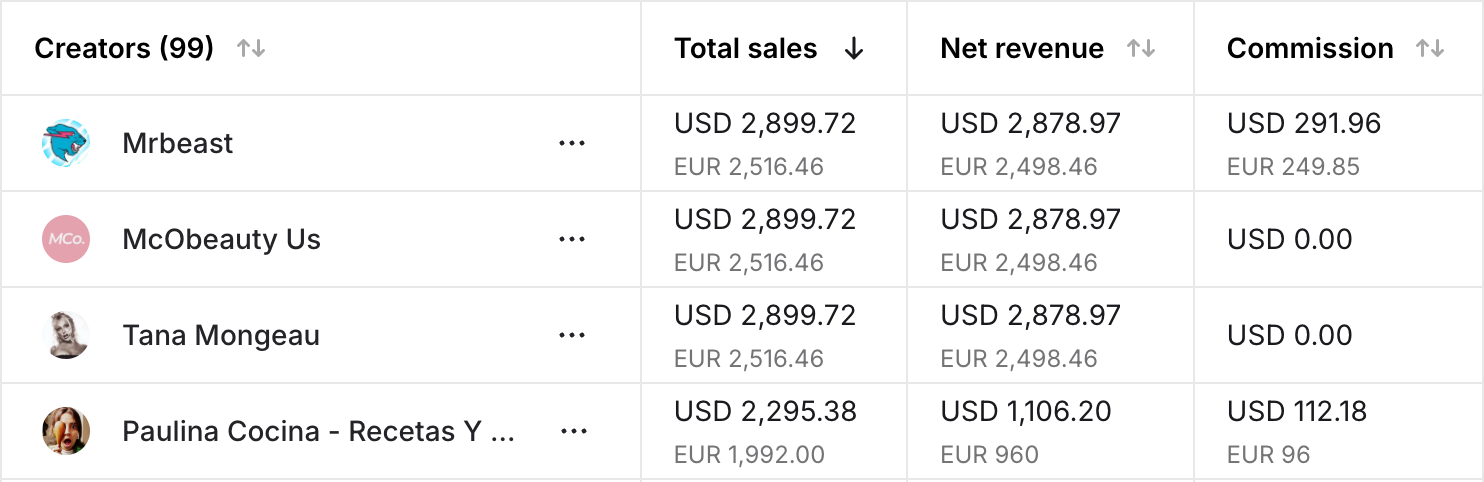
Modash tracks total sales and payouts for all your affiliates, allowing you to see which partners are driving the most revenue for your brand and how much theyโ€™ve earned for their efforts.

โ€

โ€

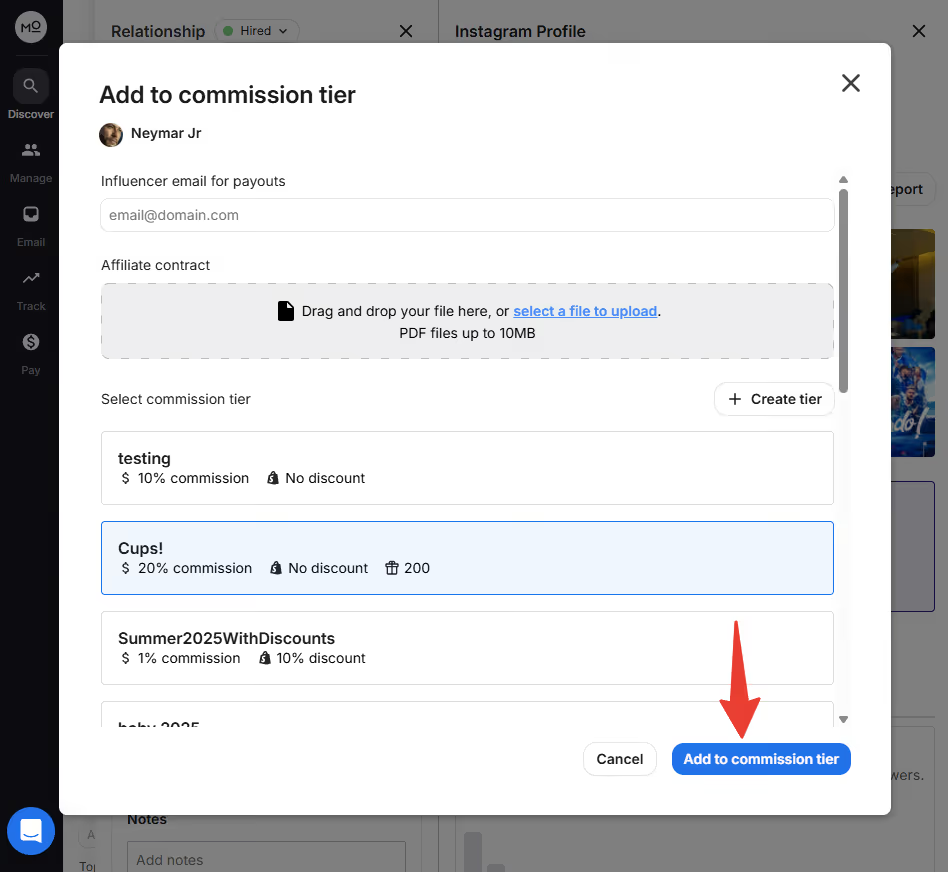
You can even organize affiliates into multiple commission tiers, easily bumping your best performers into a higher tier. Because theyโ€™re worth it, right?

โ€

โ€

๐Ÿ‘‰Take our affiliate tracking tools for a spin with a free 14-day trial of Modash!

โ€

๐Ÿค“Pro tip: Realistically, even if you use an influencer tracking tool like Modash, youโ€™ll probably still want to use spreadsheets to gather and share some of your affiliate performance data. For tips on how to do it, check out 5 Spreadsheets for Influencer Marketers (+ Free Template).

โ€

Scale your affiliate program with Modash

Just like managing influencers, affiliate marketing is all about relationships.

โ€

Want your affiliates to work hard to sell your product? Then itโ€™s your job to make them feel all warm and loved ๐Ÿค—

โ€

The trouble is, building strong relationships with affiliates takes time, and itโ€™s only one piece of the puzzle that keeps your affiliate program functioning.

โ€

If youโ€™re only working with a handful of affiliate partners, you can just about keep all those plates spinning yourself with nothing more than spreadsheets and a tool like Shopify Collabs. But what happens when your boss wants double the revenue and tells you to recruit twice as many affiliates?

โ€

Fortunately, Modash is here to help. With one platform, you can:

โ€

  • Find brand-match affiliates by searching our database of 250M+ creators on Instagram, TikTok, and YouTube.
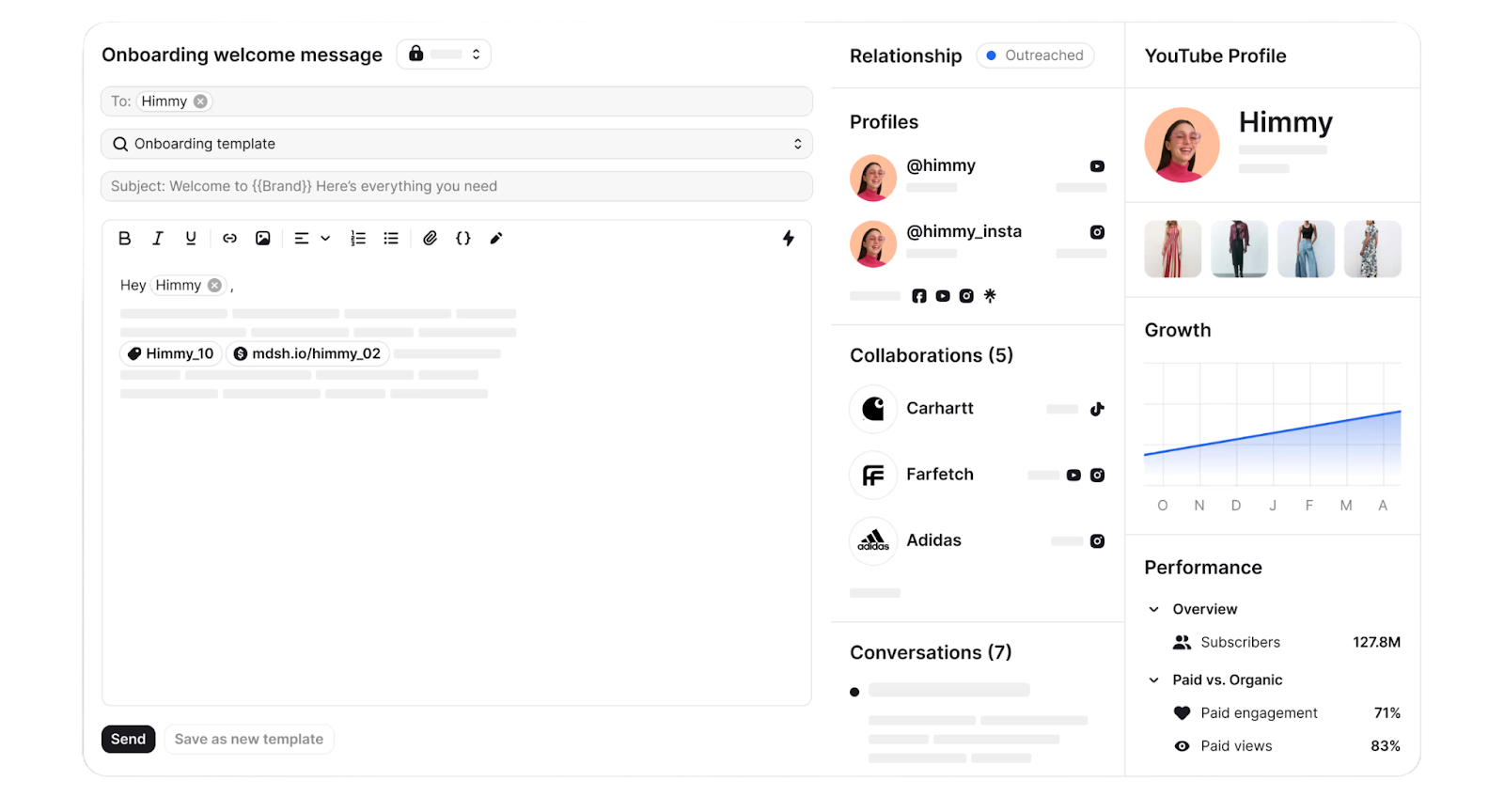
  • Reach out to potential affiliate partners using our dedicated influencer marketing inbox, where you can save templates, use variables, and find valuable context to quickly personalize your messaging.
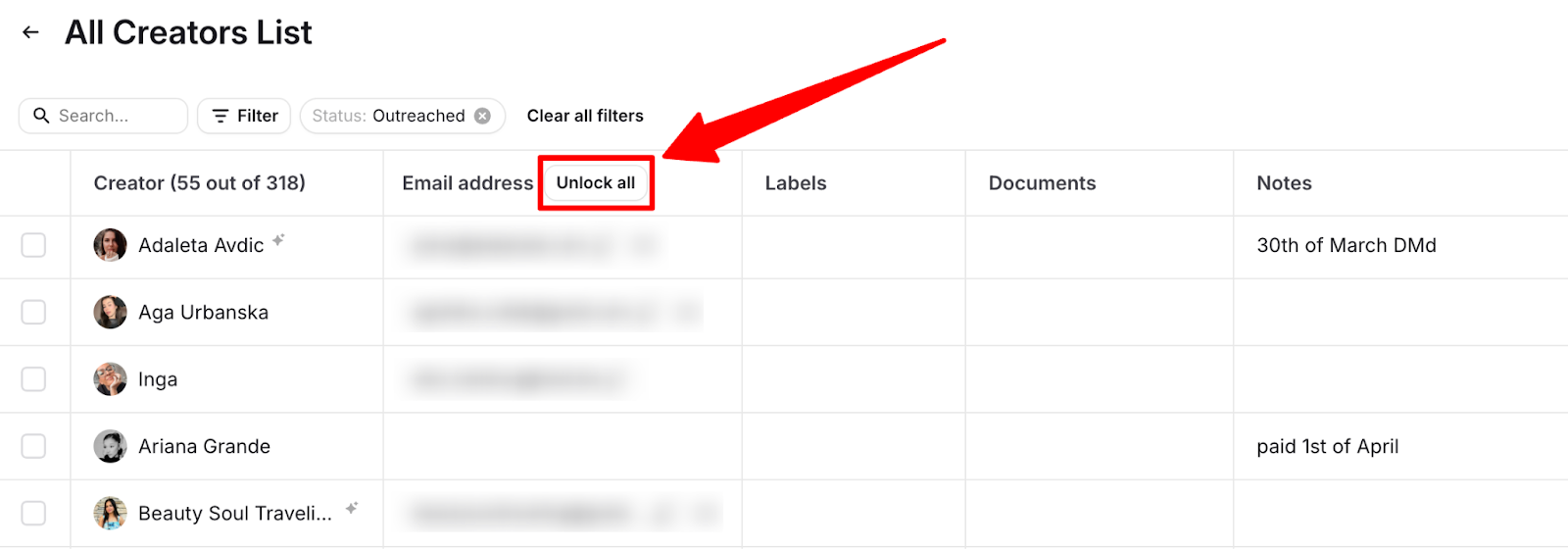
  • Manage affiliates by shortlisting those who match your criteria, sharing notes on individual creators, building campaign-specific lists, and unlocking contact details.
  • Track affiliate content, including Stories, without asking affiliates to sign up for anything โ€“ even if they forget to include the right tags, hashtags, mentions, or disclosures.
  • Pay affiliates on time and in their own currency with zero back-and-forth.

โ€

โ€ฆ All of which means you can spend more time supporting your best affiliates.

But donโ€™t take my word for it โ€“ see for yourself by starting your free 14-day trial of Modash!

 
class SampleComponent extends React.Component { 
  // using the experimental public class field syntax below. We can also attach  
  // the contextType to the current class 
  static contextType = ColorContext; 
  render() { 
    return <Button color={this.color} /> 
  } 
} 

๊ฒŒ์‹œ๋ฌผ ๊ธฐ์—ฌ์ž

Argento์˜ ์‹œ๋‹ˆ์–ด ์ธํ”Œ๋ฃจ์–ธ์„œ ๋ฐ ์ œํœด ์ž„์›
Lee๋Š” ์—ฌ๋Ÿฌ ๋ธŒ๋žœ๋“œ์—์„œ ์ธํ”Œ๋ฃจ์–ธ์„œ ๋ฐ ํŒŒํŠธ๋„ˆ์‹ญ ํŒ€์„ ๊ตฌ์ถ•ํ•˜๊ณ  ๊ด€๋ฆฌํ•˜๋Š” ๋ฐ ์ˆ˜๋…„์„ ํˆฌ์žํ–ˆ์Šต๋‹ˆ๋‹ค. ํ˜„์žฌ ๊ทธ๋Š” Argento์˜ ์‹œ๋‹ˆ์–ด ์ธํ”Œ๋ฃจ์–ธ์„œ ๋ฐ ์ œํœด ์ž„์›์ž…๋‹ˆ๋‹ค.
์‹œ๋‹ˆ์–ด ์ธํ”Œ๋ฃจ์–ธ์„œ ๋งˆ์ผ€ํŒ… ๋งค๋‹ˆ์ €, Modash
์ด์ „์— Aumio์—์„œ ๊ทผ๋ฌดํ–ˆ๋˜ Anna๋Š” ๋ธŒ๋žœ๋“œ ๋ฐ ์ธํ”Œ๋ฃจ์–ธ์„œ ๋งˆ์ผ€ํŒ… ์ „๋ฐ˜์— ์ •ํ†ตํ•œ ์ „๋ฌธ๊ฐ€์ž…๋‹ˆ๋‹ค. ๊ทธ๋…€๋Š” DACH, ์˜๊ตญ, ๋ฏธ๊ตญ ๋“ฑ ์—ฌ๋Ÿฌ ์‹œ์žฅ์—์„œ ์„ฑ๊ณผ ์ค‘์‹ฌ์˜ ์ธํ”Œ๋ฃจ์–ธ์„œ ํ˜‘์—…์„ ์ง„ํ–‰ํ•œ ๊ฒฝํ—˜์ด ์žˆ์Šต๋‹ˆ๋‹ค.
๋ชฉ์ฐจ
์ธํ”Œ๋ฃจ์–ธ์„œ ํ”„๋กœ๊ทธ๋žจ์„ ํ™•์žฅํ•˜๊ณ  ๊ณ„์‹ ๊ฐ€์š”? Modash๋ฅผ ์ด์šฉํ•ด ๋ณด์„ธ์š”. ์ธํ”Œ๋ฃจ์–ธ์„œ๋ฅผ ์ฐพ๊ณ  ์ด๋ฉ”์ผ์„ ๋ณด๋‚ด๋ฉฐ, ์บ ํŽ˜์ธ์„ ์ถ”์ ํ•˜๊ณ , ์ œํ’ˆ์„ ๋ฐœ์†กํ•˜๋Š” ๊ฒƒ๊นŒ์ง€ ๋ชจ๋‘ ํ•œ ๋ฒˆ์—.
๋ฌด๋ฃŒ๋กœ ์‚ฌ์šฉํ•ด๋ณด๊ธฐ

๊ฒŒ์‹œ๋ฌผ ๊ธฐ์—ฌ์ž

Argento์˜ ์‹œ๋‹ˆ์–ด ์ธํ”Œ๋ฃจ์–ธ์„œ ๋ฐ ์ œํœด ์ž„์›
Lee๋Š” ์—ฌ๋Ÿฌ ๋ธŒ๋žœ๋“œ์—์„œ ์ธํ”Œ๋ฃจ์–ธ์„œ ๋ฐ ํŒŒํŠธ๋„ˆ์‹ญ ํŒ€์„ ๊ตฌ์ถ•ํ•˜๊ณ  ๊ด€๋ฆฌํ•˜๋Š” ๋ฐ ์ˆ˜๋…„์„ ํˆฌ์žํ–ˆ์Šต๋‹ˆ๋‹ค. ํ˜„์žฌ ๊ทธ๋Š” Argento์˜ ์‹œ๋‹ˆ์–ด ์ธํ”Œ๋ฃจ์–ธ์„œ ๋ฐ ์ œํœด ์ž„์›์ž…๋‹ˆ๋‹ค.
์‹œ๋‹ˆ์–ด ์ธํ”Œ๋ฃจ์–ธ์„œ ๋งˆ์ผ€ํŒ… ๋งค๋‹ˆ์ €, Modash
์ด์ „์— Aumio์—์„œ ๊ทผ๋ฌดํ–ˆ๋˜ Anna๋Š” ๋ธŒ๋žœ๋“œ ๋ฐ ์ธํ”Œ๋ฃจ์–ธ์„œ ๋งˆ์ผ€ํŒ… ์ „๋ฐ˜์— ์ •ํ†ตํ•œ ์ „๋ฌธ๊ฐ€์ž…๋‹ˆ๋‹ค. ๊ทธ๋…€๋Š” DACH, ์˜๊ตญ, ๋ฏธ๊ตญ ๋“ฑ ์—ฌ๋Ÿฌ ์‹œ์žฅ์—์„œ ์„ฑ๊ณผ ์ค‘์‹ฌ์˜ ์ธํ”Œ๋ฃจ์–ธ์„œ ํ˜‘์—…์„ ์ง„ํ–‰ํ•œ ๊ฒฝํ—˜์ด ์žˆ์Šต๋‹ˆ๋‹ค.
์ˆ˜์ต์„ฑ ๋†’์€ ์ธํ”Œ๋ฃจ์–ธ์„œ ์บ ํŽ˜์ธ์„ ์œ„ํ•œ ์•„์ด๋””์–ด ๋ฐ›์•„๋ณด๊ธฐ
Icon Rounded Closed - BRIX Templates

Shopify๋ฅผ ์œ„ํ•œ ์—”๋“œ ํˆฌ ์—”๋“œ ์ธํ”Œ๋ฃจ์–ธ์„œ ๋งˆ์ผ€ํŒ…

14์ผ ๋ฌด๋ฃŒ ์ฒดํ—˜ใƒป์‹ ์šฉ์นด๋“œ ๋ถˆํ•„์š”