

Mais opções
Aplicações



Done well, influencer marketing is the tide that lifts all ships. More sales, more brand awareness, more content.
But the reality is that most Shopify brands aren’t doing it well. They’re running influencer campaigns like one-off experiments – a free product here, a discount code there – with no real system or strategy. Those that get it right are being more deliberate, with effective tracking, clear rewards tiers, and a scalable process for finding high-performing creators.
In other words, they’ve found a winning system. And I’ll share that system in this guide.
Influencer marketing for Shopify stores is all about collaborating with influencers to promote your brand and product to their audiences. Working with established influencers helps brands build trust and credibility, which can have a positive impact on sales and revenue.
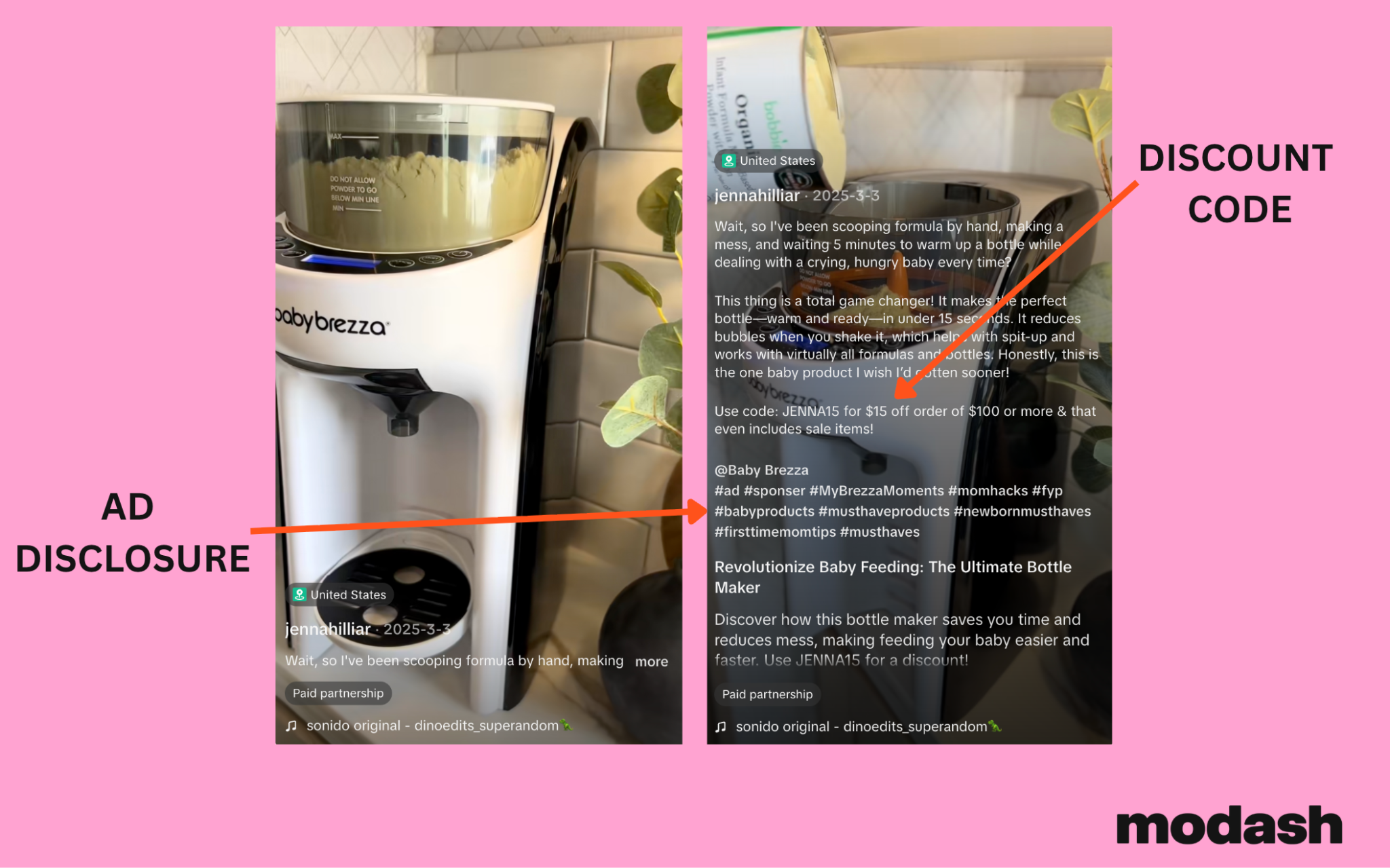
For example, baby products brand Baby Brezza teams up with creators on Instagram and TikTok to highlight the time-saving benefits of products like its range of formula dispensers. Check out the ad disclosure in this post from TikToker Jenna Hilliar, plus the affiliate discount code for turning video views into sales:
FYI I’ll be sharing a bunch more real-world Shopify influencer marketing examples later in this article. But if you’re hungry for more examples right now, check out the following articles:
👉 12 Micro-Influencer Marketing Examples for Inspiration [2026]
👉 12 Influencer Marketing Campaign Examples [+ Key Takeaways]
As the above subheading suggests, Shopify stores typically target one of three goals when running influencer campaigns:
(⚠️ Disclaimer: Bear in mind that capturing influencer content can be a goal in its own right, while also going hand-in-hand with each of those objectives.)
Choosing the “right” goal for a given campaign depends on the brand’s current market position and wider business objectives. For example, if a Shopify store is expanding into a new territory where it’s relatively unknown, a brand awareness campaign might make more long-term sense than a push for immediate sales.
🤓 Further reading: For more on goal-setting, check out Influencer Marketing Metrics: What to Track (and What to Ignore).
First things first, remember that follower count should never be your sole reason for working with an influencer. Kardashian-scale clout doesn’t guarantee results. A creator with a smaller but highly engaged and relevant audience will likely outperform one with a huge, disengaged following that has no interest in the product you sell.
However, size still matters in the influencer marketing world, so follower count often has an outsized impact on influencer pricing (although average views are a more accurate pricing benchmark). For reference, influencers are often grouped by audience size, as follows:
You’ll almost always pay more to collaborate with a macro influencer than a micro influencer, while smaller accounts are far more likely to accept gifted products as payment.
While influencer marketing is theoretically possible on any platform, three in particular account for the vast majority of Shopify influencer campaigns:
There’s not a huge amount to choose between Instagram and TikTok, although the launch of TikTok Shop is one key differentiator (learn all about it in our guide on how to use TikTok Shop for influencer marketing).
And then there’s YouTube. It tends to be more expensive than the other two platforms (because YouTube videos are generally longer and have more professional, higher-quality editing), but it’s also less time-sensitive, meaning a YouTube video can keep generating views and clicks weeks or months after it was originally shared.
Not sure which is right for you? Check out our in-depth guides to each:
👉 The Guide to Instagram Influencer Marketing for Brands
👉 TikTok Influencer Marketing 101: How to Get Started
👉 YouTube Influencer Marketing: The Complete Guide for 2026
Naturally, you want to work with influencers who have complementary audiences and high-quality content, so it makes sense to search for specific audience niches and demographics – then rule out creators with poor engagement metrics.
If you’re just getting started with influencer marketing and/or are only looking to work with a handful of influencers, you can handle this stuff manually using the following process:
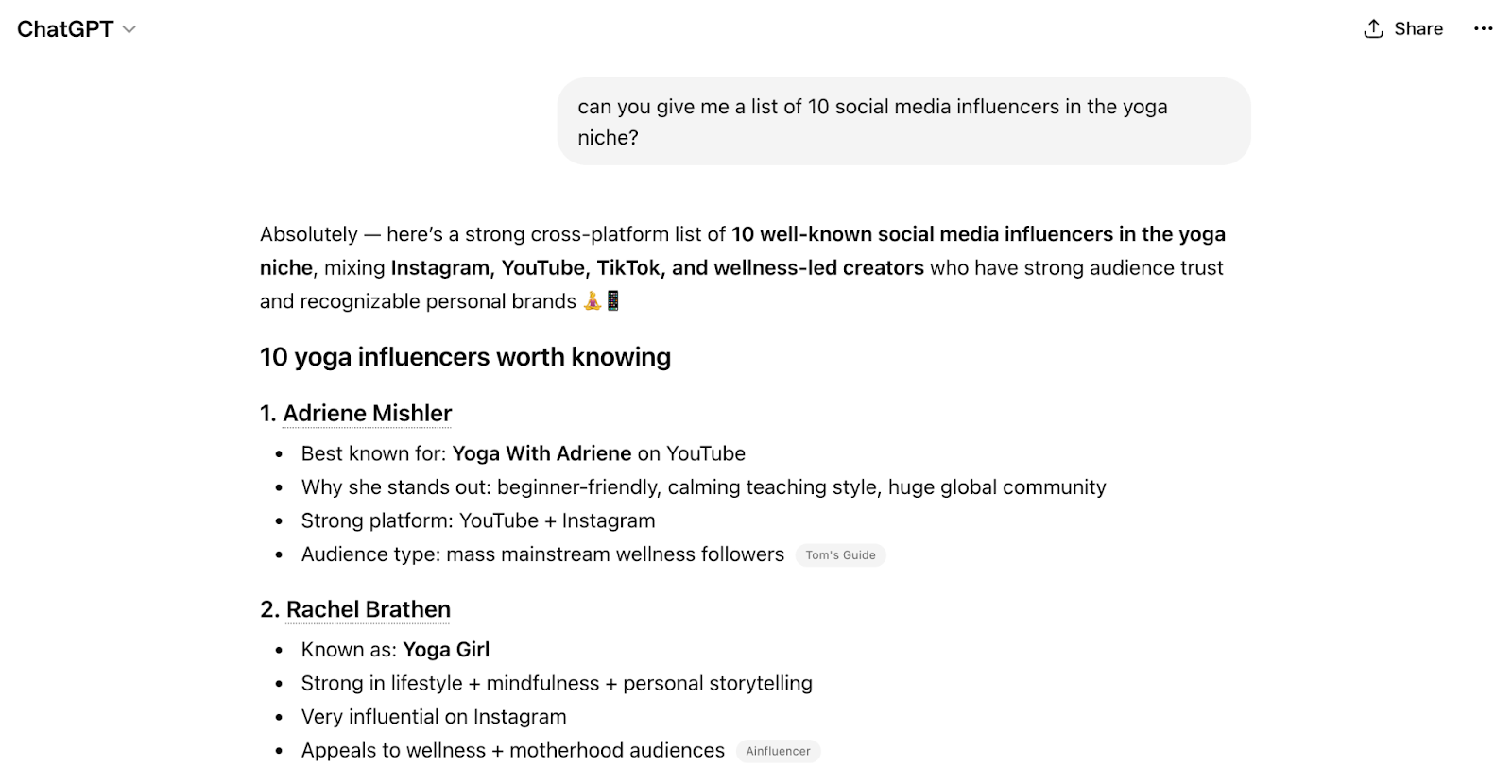
The downside of this method is that you’ll do a lot of waiting around for influencers to send you information. And, when you finally get hold of it, you might discover they were a bad fit all along 🤦
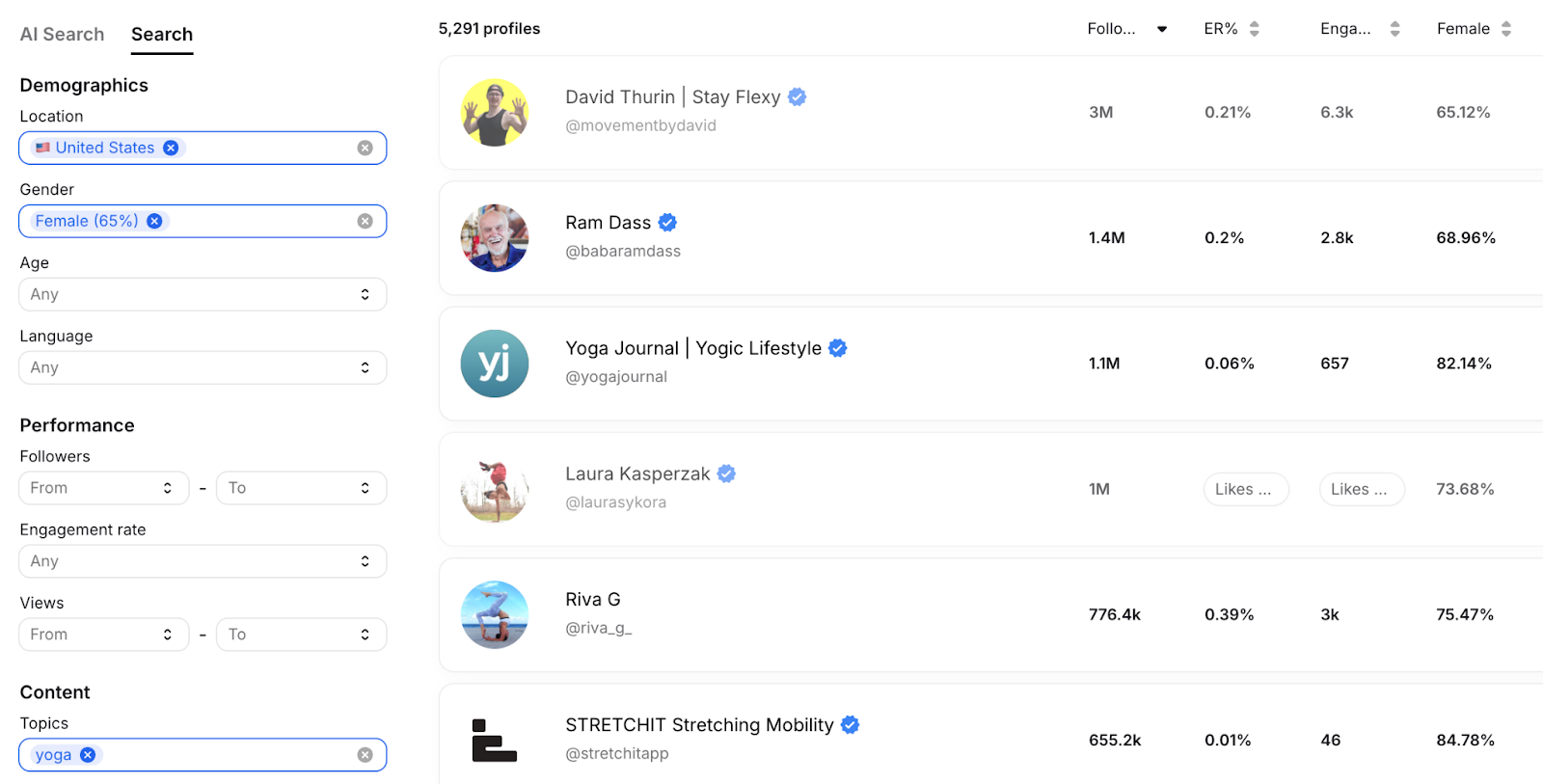
That’s why Shopify stores that are serious about building a scalable influencer program invest in influencer marketing software like Modash. Modash searches a database of 380+ million creators on Insta, TikTok, and YouTube to unearth relevant accounts based on search filters like:
And when you find an influencer you like the look of, you can open their profile to instantly access metrics like engagement rate, impressions, reach, and average likes – all without having to ask the influencer first.
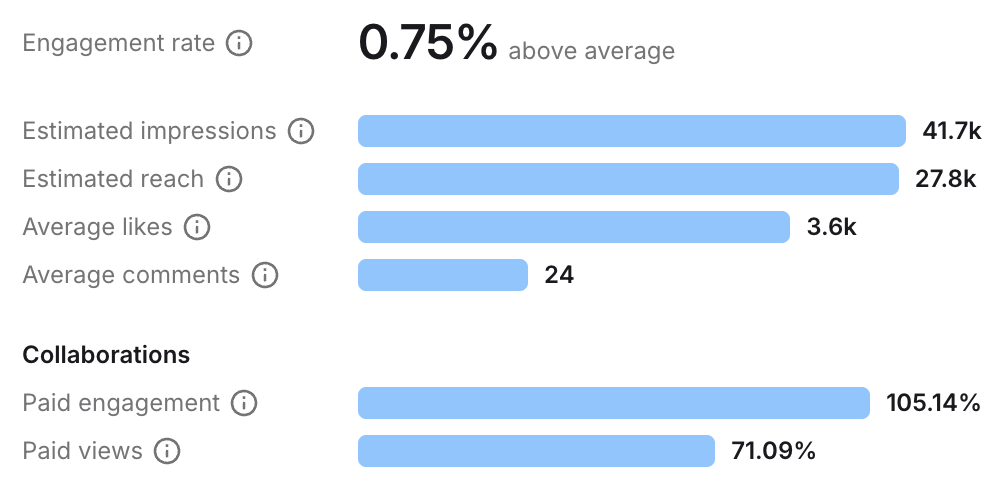
That way, you can focus your influencer outreach efforts on creators you definitely want to work with. It’s a major time saver.
🔎 Don’t take my word for it – try our search tools yourself by creating your free Modash account!
An influencer is far more likely to accept your collaboration offer if they already love your brand and product. So wouldn’t it be great if you could track down those super fans with big audiences?
Actually, there are a couple different ways to do this.
If you’re happy to do the leg work yourself, you can post on social media or send an email newsletter asking your followers/subscribers to get in touch if they’ve built an online audience and are eager to work with you.
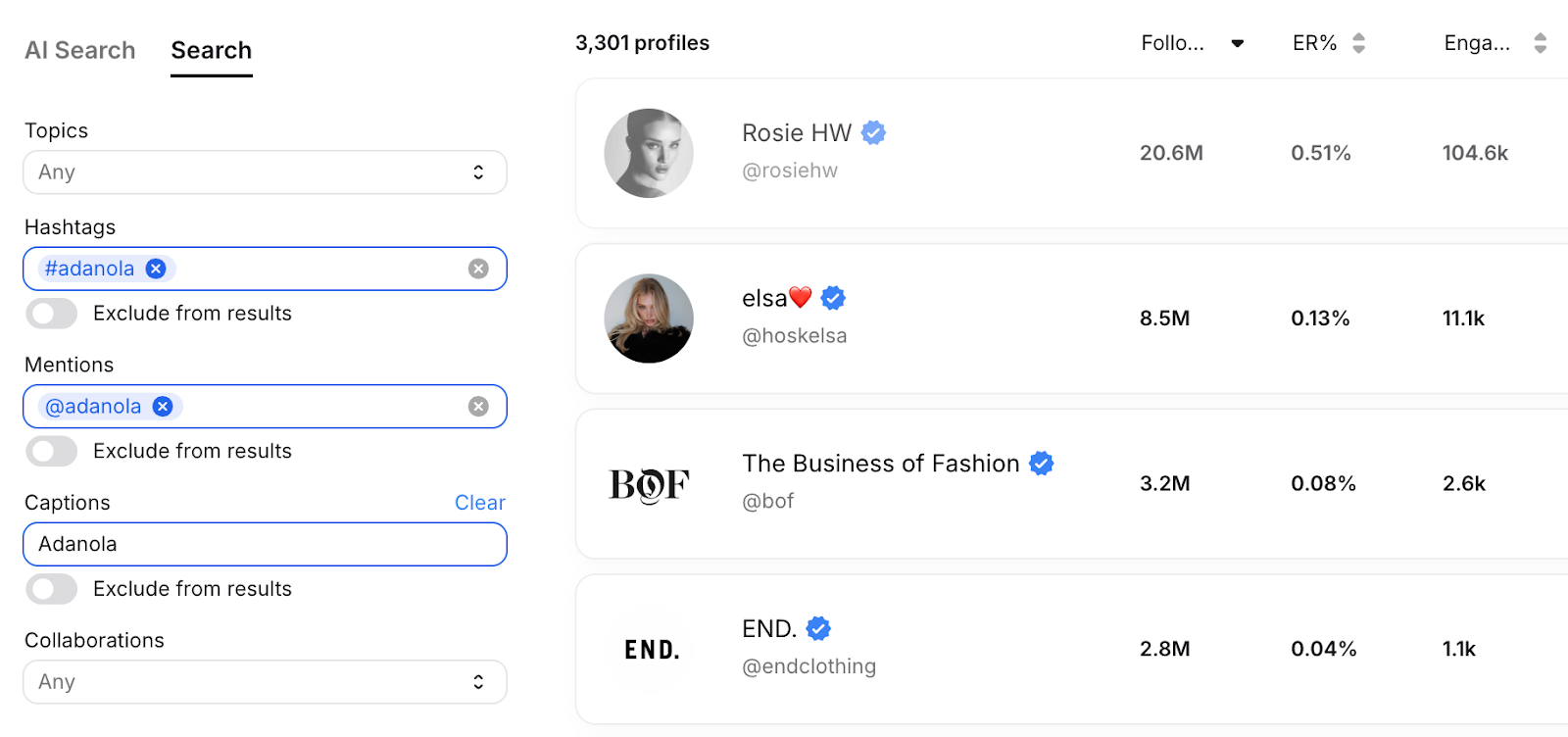
Or save time and generate way more results using a platform like Modash, which lets you search for influencers who have:
Alternatively, ask our AI Search tool to identify influencers who post about your products, then we’ll surface results based on the actual images and videos a creator shares, not just their captions and hashtags:
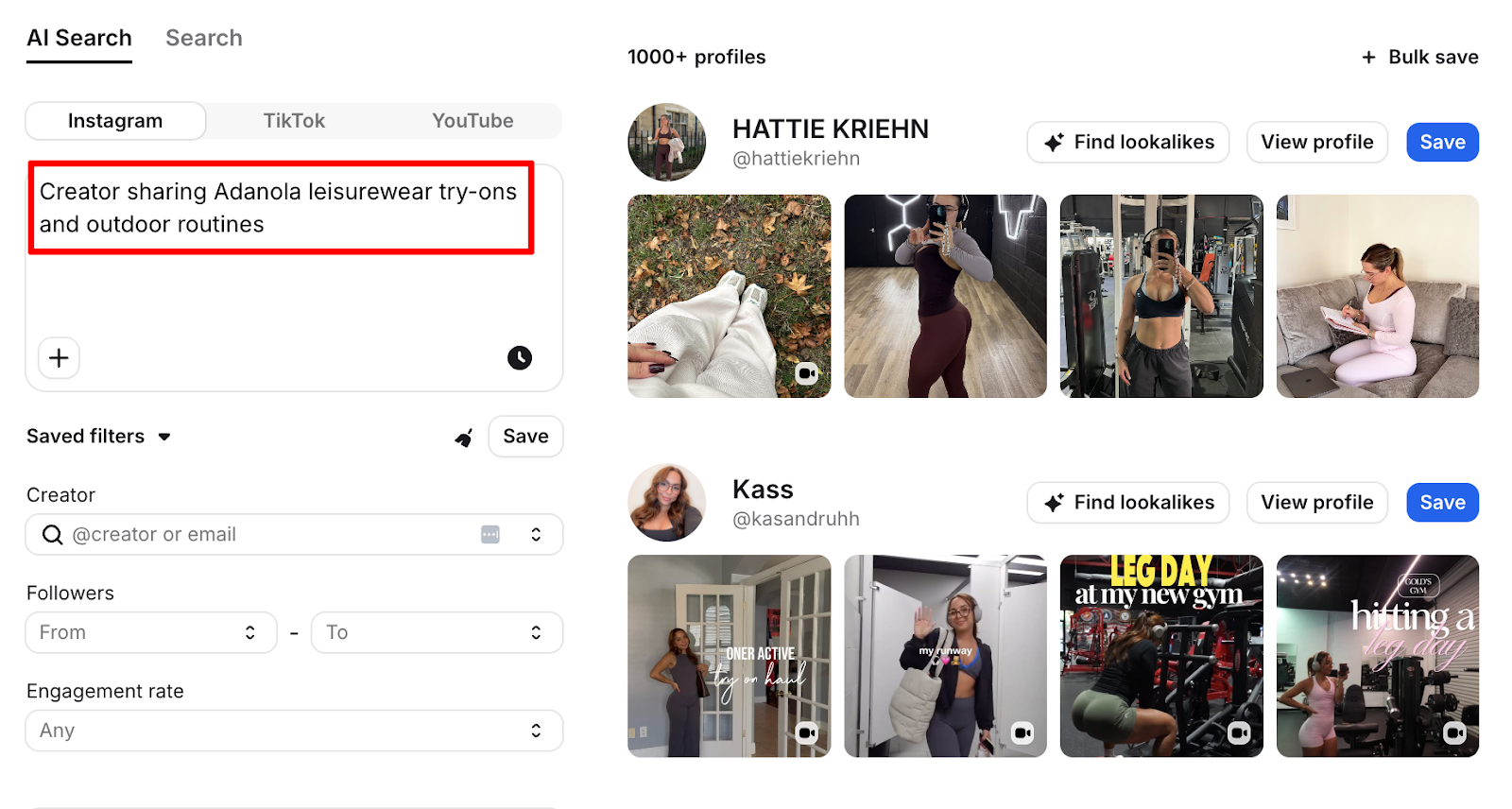
Smart stuff, eh?
🤓 Further reading: Learn more in our roundup of the 8 Best AI-Powered Influencer Discovery Tools.
By this point, you’ve (hopefully) found an influencer with a relevant audience. Now it’s time for some sense checking, AKA vetting. Specifically, you want to browse their content – including any previous brand collabs – to make sure they:
Also, make sure their audience is mostly made up of actual people, not bots.
If scale isn’t a priority, you can do all this stuff manually. Modash has a free fake follower checker you can use to vet an influencer’s audience, and it’s simple enough to scroll through their content yourself.
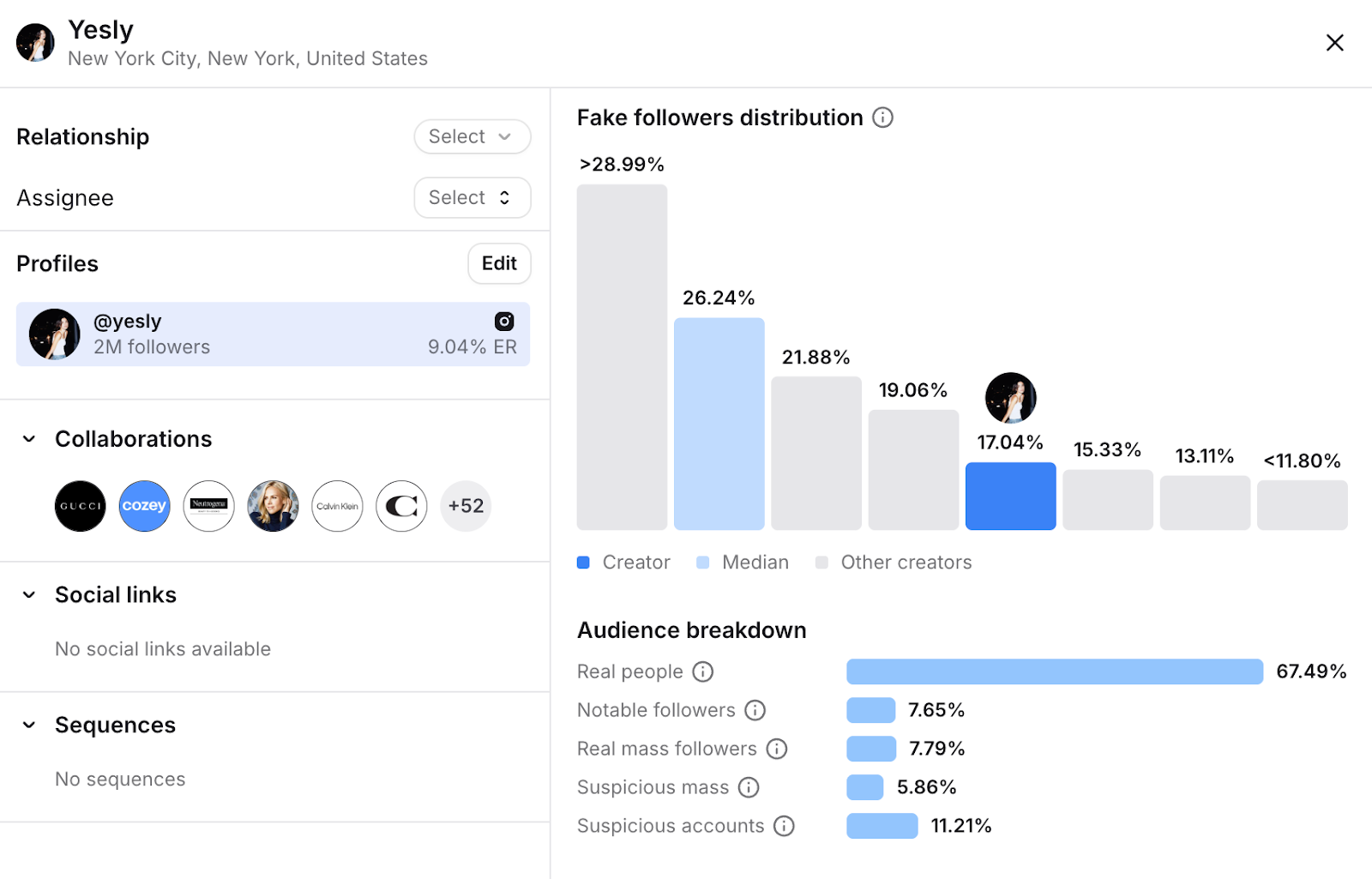
However, it’s quicker, easier, and more detailed with Modash. Just open an influencer’s profile to view their fake follower percentage, compare it to other accounts, and get more insights into their audience breakdown:
One last word on vetting: don’t let perfect get in the way of good.
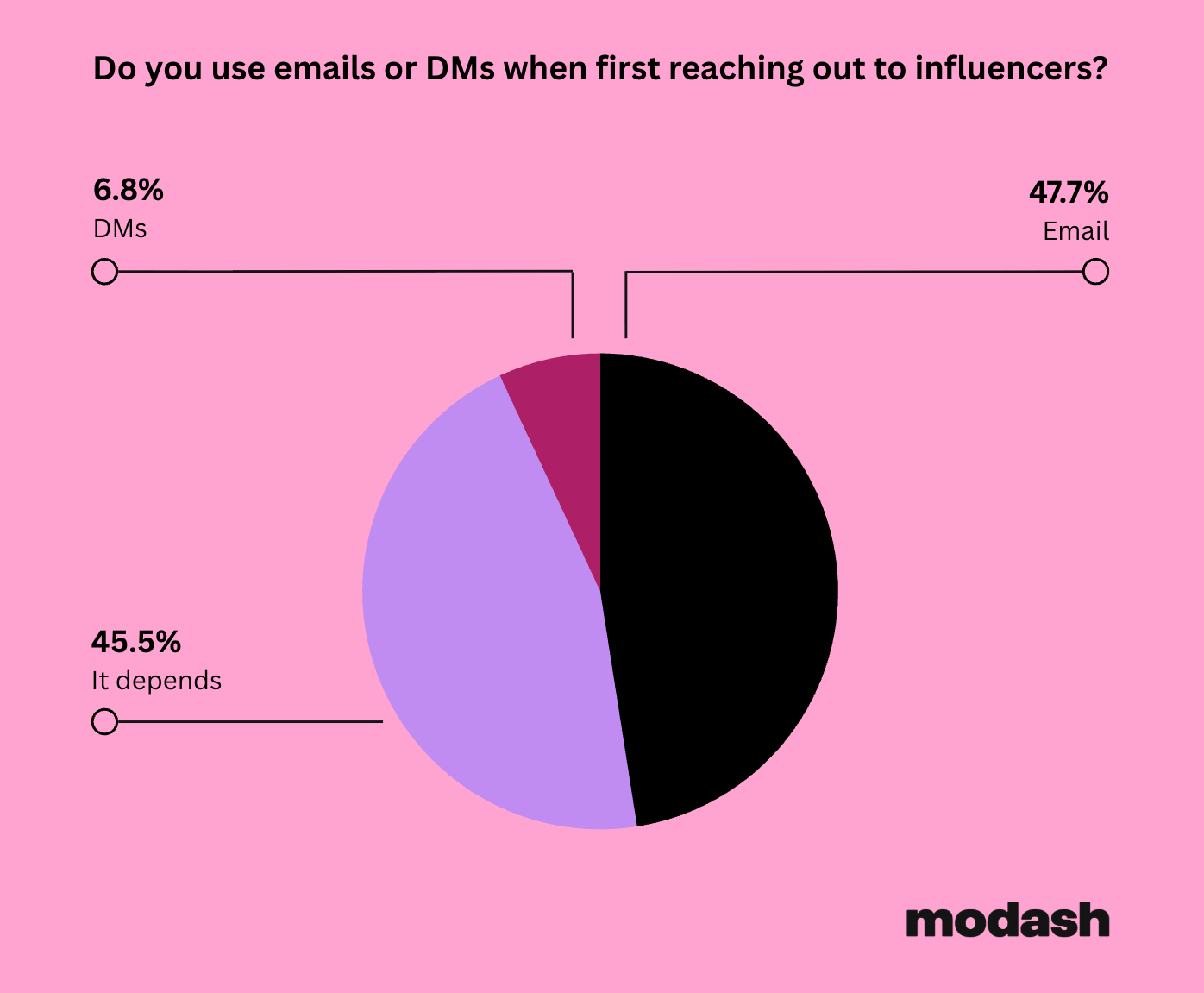
When we surveyed 56 influencer marketers, 62.5% felt like they’ve missed out on potentially interesting collabs due to their overly stringent vetting criteria.
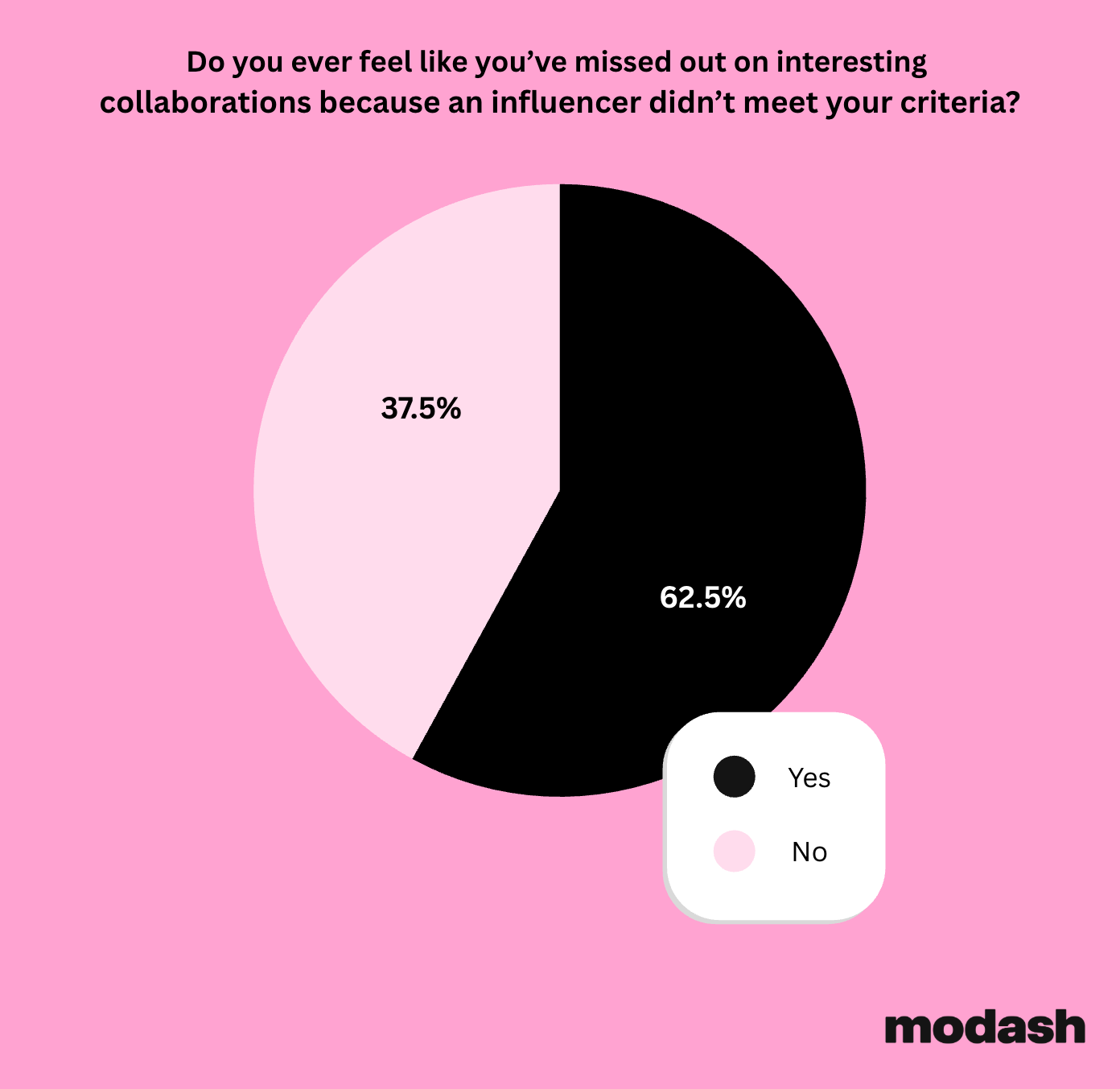
So by all means be vigilant when it comes to protecting your brand, but don’t dismiss an influencer just because their fake follower count is 1% higher than you hoped.
🤓 Further reading: For more on vetting, check out How to Assess Influencer Profiles: 7 Factors You Should Look For and How to Vet Creators Beyond Audience Metrics.
Discount codes are probably the most popular way for brands on Shopify to track influencer sales.
It’s simple enough to come up with a unique code, share it with the relevant influencer, and jot it down in a spreadsheet so you know which code applies to which creator. And you can set rules around how the discount works in your Shopify admin. But while this works fine if your total number of influencers is in the single figures, it gets seriously unwieldy at scale 😬
My advice for stores with larger influencer programs? Let Modash do the hard work.
Modash lets you:
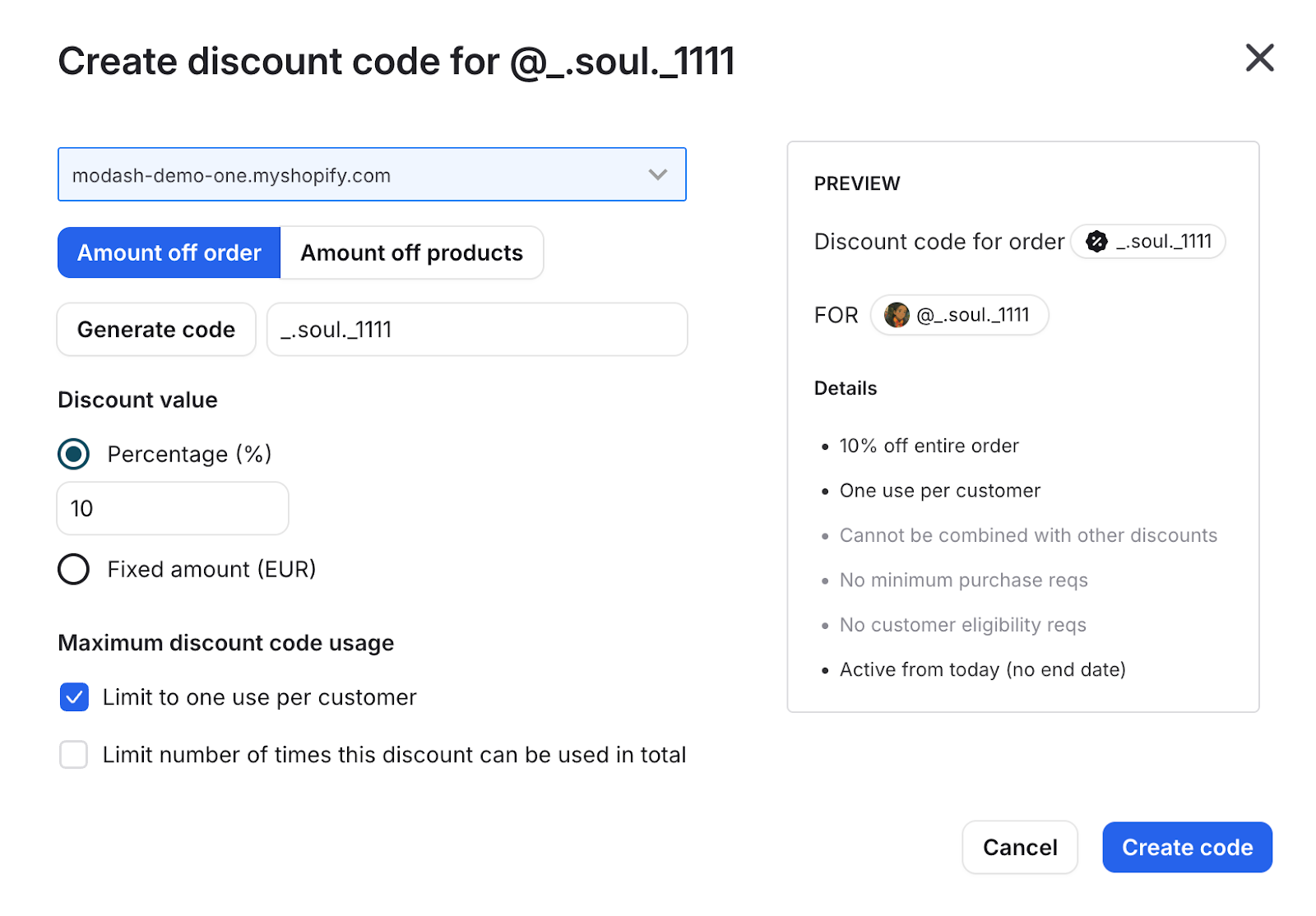
Everything else happens on autopilot thanks to our market-leading Shopify integration, so (for instance) there’s no need to manually count the number of times a code has been redeemed. There are far better ways to spend your life.
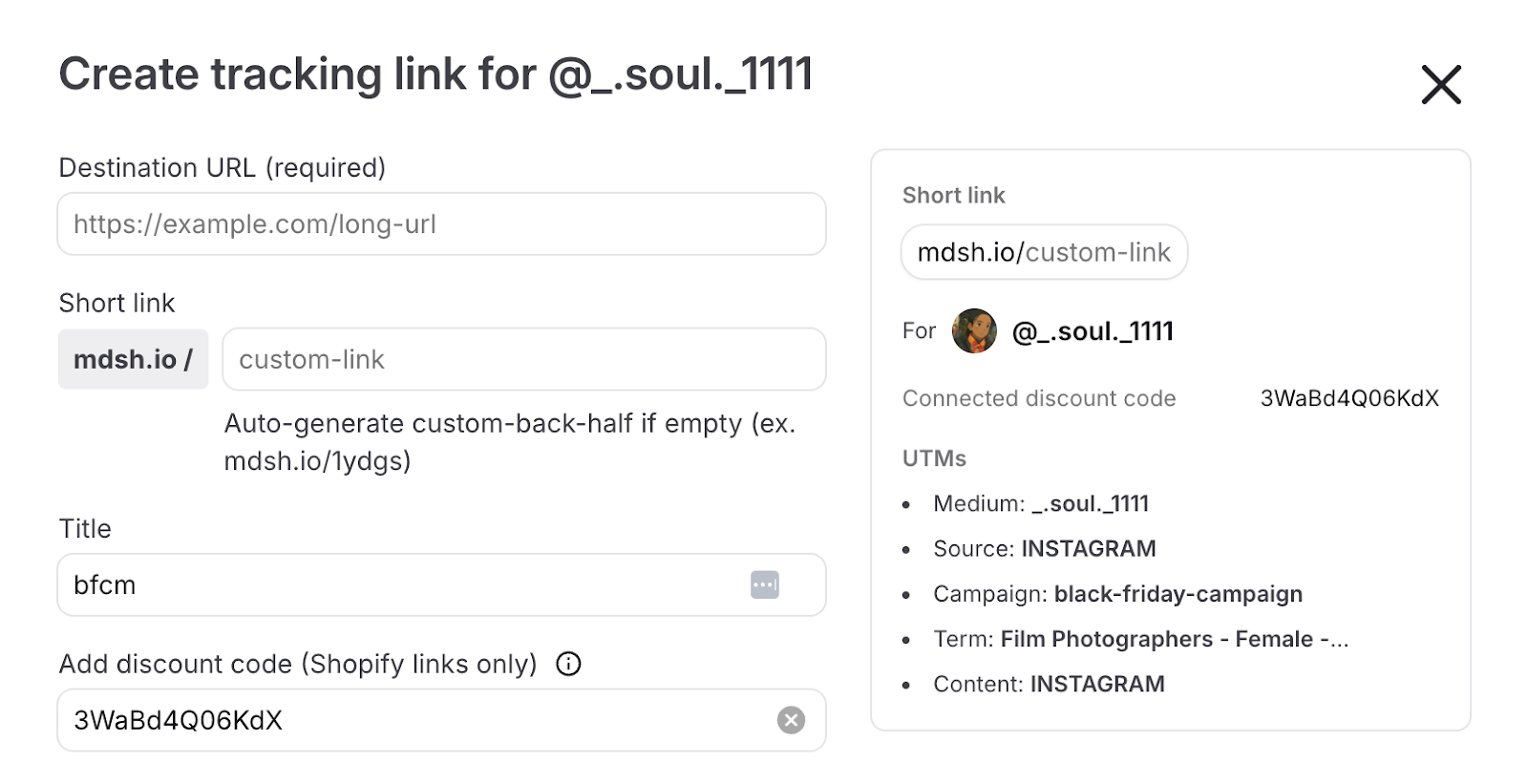
An alternative (or additional) way to track influencer campaign performance is by using special links with custom UTM parameters. That way, when someone clicks through to your store from the link in an influencer’s content, you’ll know exactly where they came from and who sent them.
🤓 Pro tip: Link tracking is best for tracking store traffic, whereas discount codes are best for tracking direct sales.
Again, you can do this (somewhat) manually by creating your own custom links with a tool like Google’s Campaign URL Builder, then sharing them with your influencer partners. But it’s a whole lot more efficient to build them, share them with creators, and track usage through Modash.
All too often, there’s a gap between what an influencer sees and what you see. Instagram might tell your creator partner that their content has generated millions of impressions, but you’re struggling to understand what impact it has on your bottom line (if any) 🤷
There’s no “ideal” solution to figuring this out manually. Google Analytics shows you UTM link clicks and Shopify gives you total revenue from transactions with discount codes – which, once again, is manageable at small scale. But if you’re working with dozens of unique codes, you might:
Either way, you’re getting an inaccurate picture.
If you are working with ~10 – 20+ influencers, Modash Track is your best friend. Connect us to your Shopify store to track everything – clicks, cost, conversions, sales, revenue, and more – via a single dashboard. Then open our in-depth click report to see which influencers are sending traffic to your store – and whether the customers they refer end up buying from you:
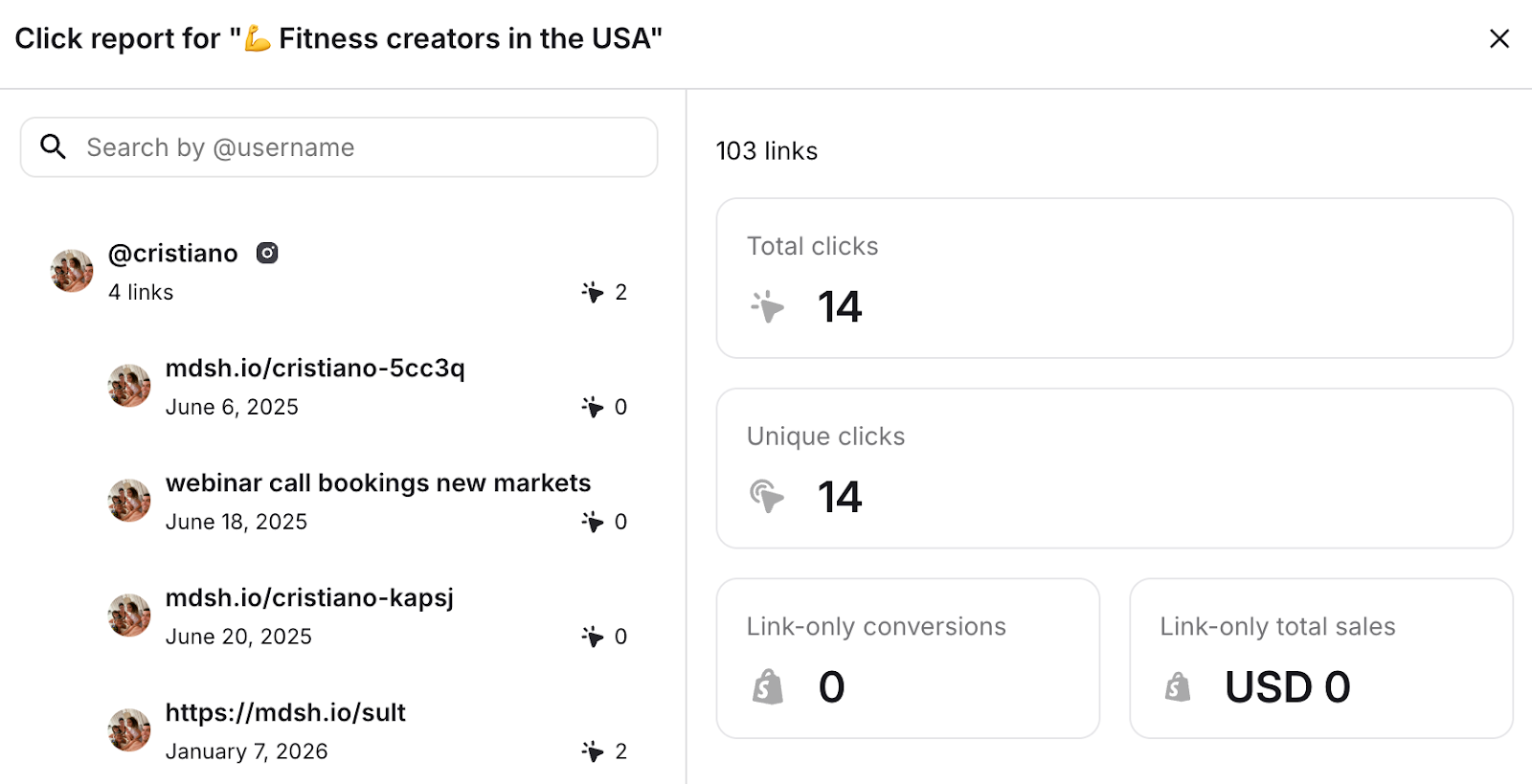
No more gray areas – just total clarity on where your clicks and sales are coming from.
Let me guess: you’ve gifted products to a half-dozen-or-so influencers, but the discount codes weren’t set up properly, no one tracked anything, and you’ve got no idea if it achieved meaningful results. So now you’re wondering if influencer gifting is a viable tactic for Shopify stores.
In short, yes, gifting totally works on Shopify. Gifting campaigns can boost brand awareness and sales on a shoestring budget. To get started yourself, just ask the influencer for their address, get them to choose a product (including variations like size, color, flavor, etc), then place the order yourself. Or you can streamline things by setting up a Google Form to collect information for each creator.
However, if you’re planning to send gifted products to dozens or hundreds of influencers, the time you invest in manual product orders will likely outweigh the results. Trust me, it’s a nightmare.
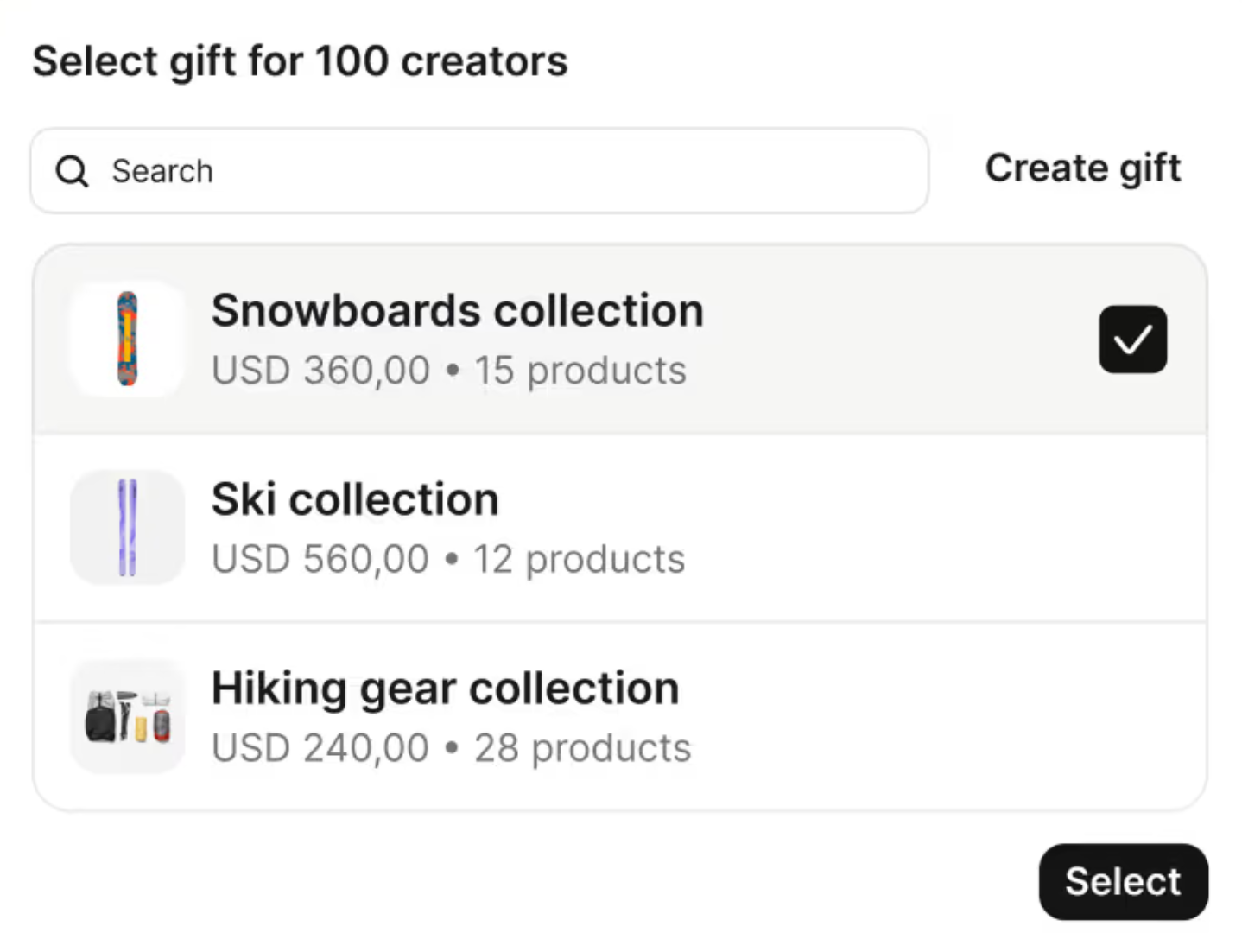
Modash is the solution for Shopify stores that want to do gifting at scale. With Modash, influencer product orders work like this:
And with our bulk gifting feature, you can send unique gift links to 100 – 500+ creators in minutes, which is a serious time-saver.
Of course, paid campaigns can also work for Shopify stores. They (often) give you more control over what the influencer posts, as well as enabling you to work with all those creators who aren’t interested in product-only collabs. Just be clear on how much you can afford to pay influencers – and don’t be afraid to haggle if their initial quote is out of budget.
🤓 Further reading: Speaking of haggling, read our guide to 7 Effective Negotiation Tactics for Influencer Marketing.
Once you’ve found a bunch of influencers to work with, vetted their content and audience, and figured out what type of campaign you’re going to run, your next step is getting in touch to pitch your offer and ask if they’d like to collab with you (AKA influencer outreach).
You can do this via email or DMs, although our research suggests influencer marketers prefer email – it just feels more professional.
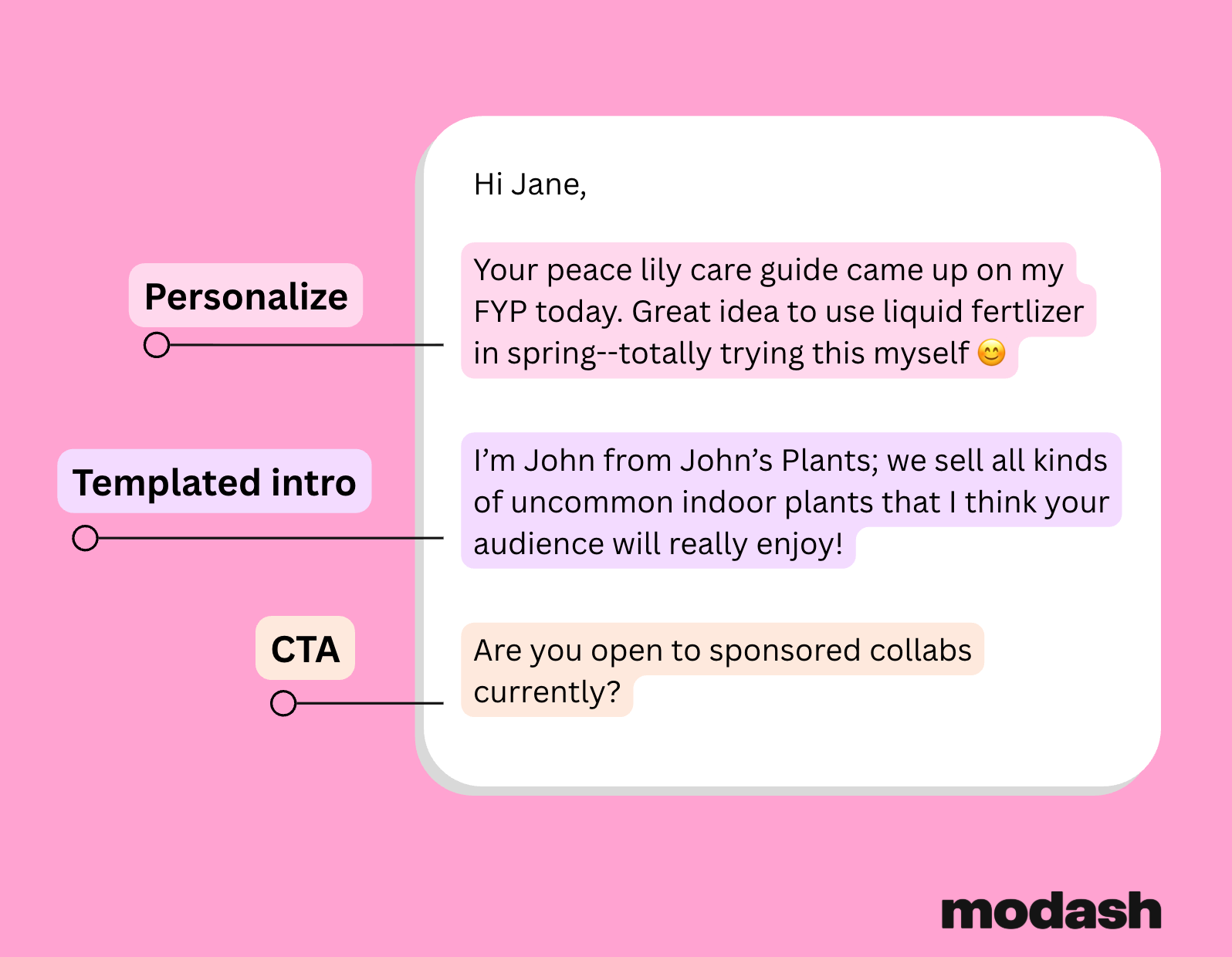
To save time, I strongly recommend templating parts of your outreach messaging. Basically, you should template anything generic, like your…
…while making sure to customize things like the reason you’re reaching out in the first place. A simple personalized compliment (“Loved your review of the RM-100, been looking for a powerful compact drum machine for ages!”) can go a long way when it comes to securing the collab.
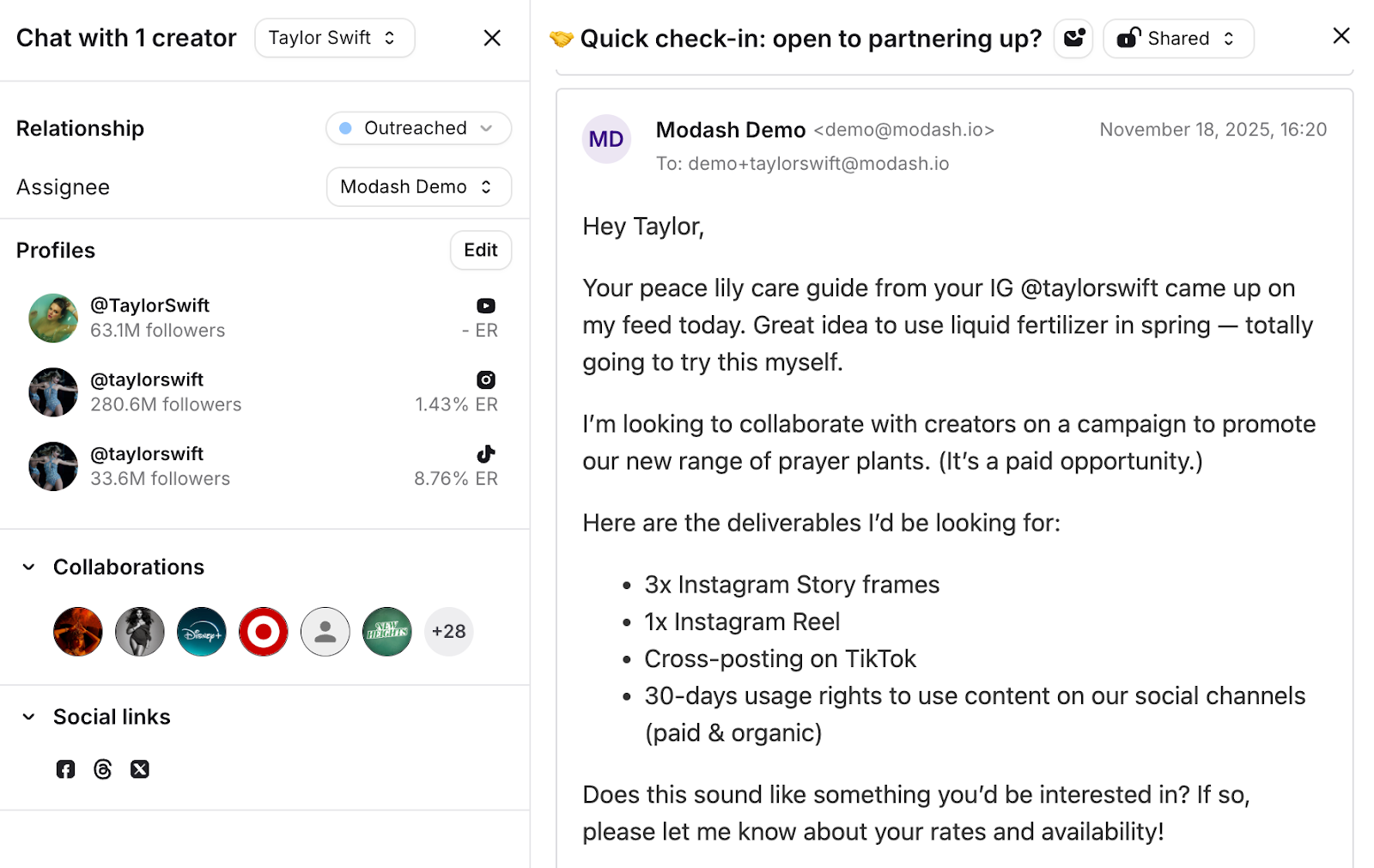
Of course, it’s totally possible to do all your outreach through Gmail or Outlook. But it’s simpler and more efficient to use Modash.
With Modash Inbox, you can create automated multistep outreach sequences, so you’ll never forget to follow up again. Plus, when you’re writing an email, you get at-a-glance access to key information like an influencer’s previous collaborations, social links, and custom notes – perfect for crafting highly personalized, engaging outreach messages.
Best of all, Modash doesn’t force you to create yet another email account; you keep your existing Gmail/Outlook address instead 😅
🤓 Further reading: For more on influencer outreach, check out 14 Influencer Outreach Examples From Real Brands and 8 Influencer Outreach Templates (& How To Personalize).
Performance-based influencer programs are super popular with Shopify brands. They come in two main varieties:
Either way, commission-based rewards reduce the risk for brands, while creating a clear incentive for creators to keep driving conversions. Plus there’s big earning potential for high-performing affiliates and influencers. Win-win-win.
To build and manage any commission-based program, you need a way to:
You can do this stuff manually: build a landing page with Mailchimp, track your discount codes in a spreadsheet, pay affiliates through PayPal. But, as you can imagine, it’s not exactly scalable.
That’s why most brands start out using a free tool like Shopify Collabs. If affiliates are your only focus to start with, Shopify Collabs can be an effective lightweight solution. Sure, it has downsides – fees can add up, and you might need a separate platform for finding influencers – but it’s a reasonable starting point if you’re just testing affiliate marketing.
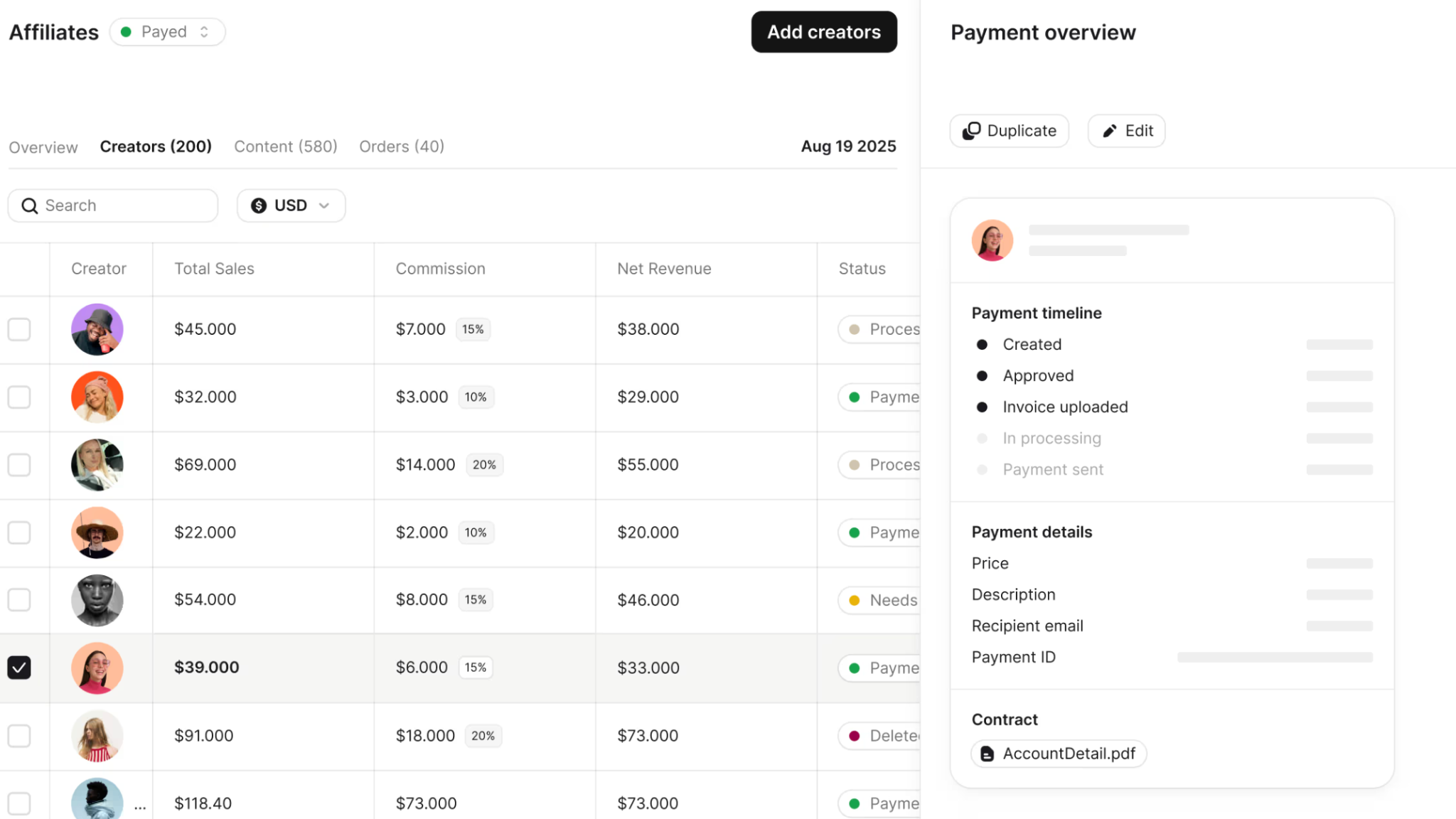
However, as you outgrow Shopify Collabs and decide that you’d rather have everything in one place, a more comprehensive solution like Modash becomes a better fit. That way, you can reach more creators, vet affiliate/influencer profiles thoroughly, and access far more detailed reports.
As an added bonus, with Modash Pay, we can also collect invoices, pay creators in their currency, and handle all tax and regulatory compliance.
🤓 Further reading: Learn more in The Complete Influencer Marketer's Playbook to Affiliate Marketing.
Without proper tracking, your influencer program is doomed to failure, because you’ll have zero visibility into which campaigns and creators are actually delivering results.
Trouble is, tracking influencer marketing results is notoriously difficult. While some people will click straight through from an influencer’s content and purchase immediately, others will see a post, stash it away in the back of their mind, then search for the product or type the URL directly into their browser hours or days later. In this scenario, tools like Google Analytics will attribute the sale to organic search or direct, even though the influencer drove the purchase decision.
Factor in cross-device discrepancies and non-linear multi-touch user journeys and it’s easy to see why tracking is so tricky. But it gets a whole lot simpler if you have the right tools for the job.
Modash captures every piece of influencer content for you – yep, even Stories – and tracks all your key performance metrics, including:
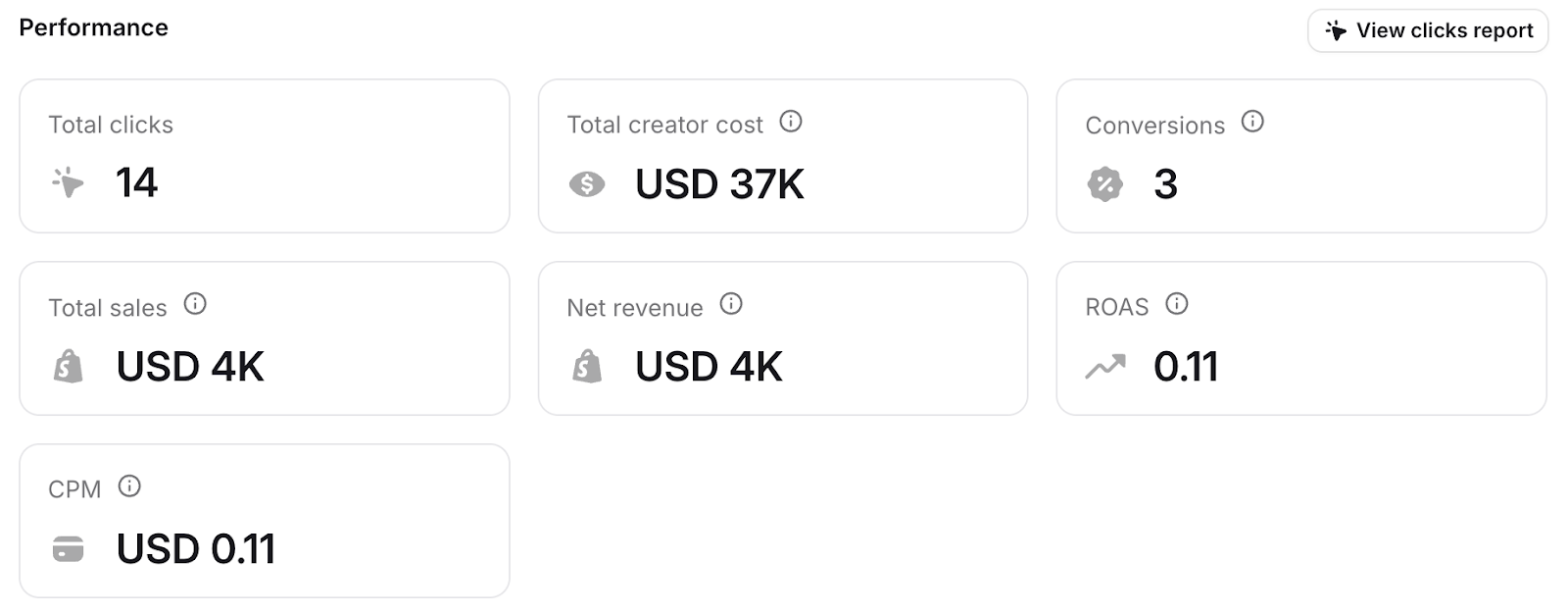
There’s no need to click around multiple platforms to get a full view of results, and no time wasted on manual tracking or data entry. So you can focus on the stuff that actually makes a difference 💪
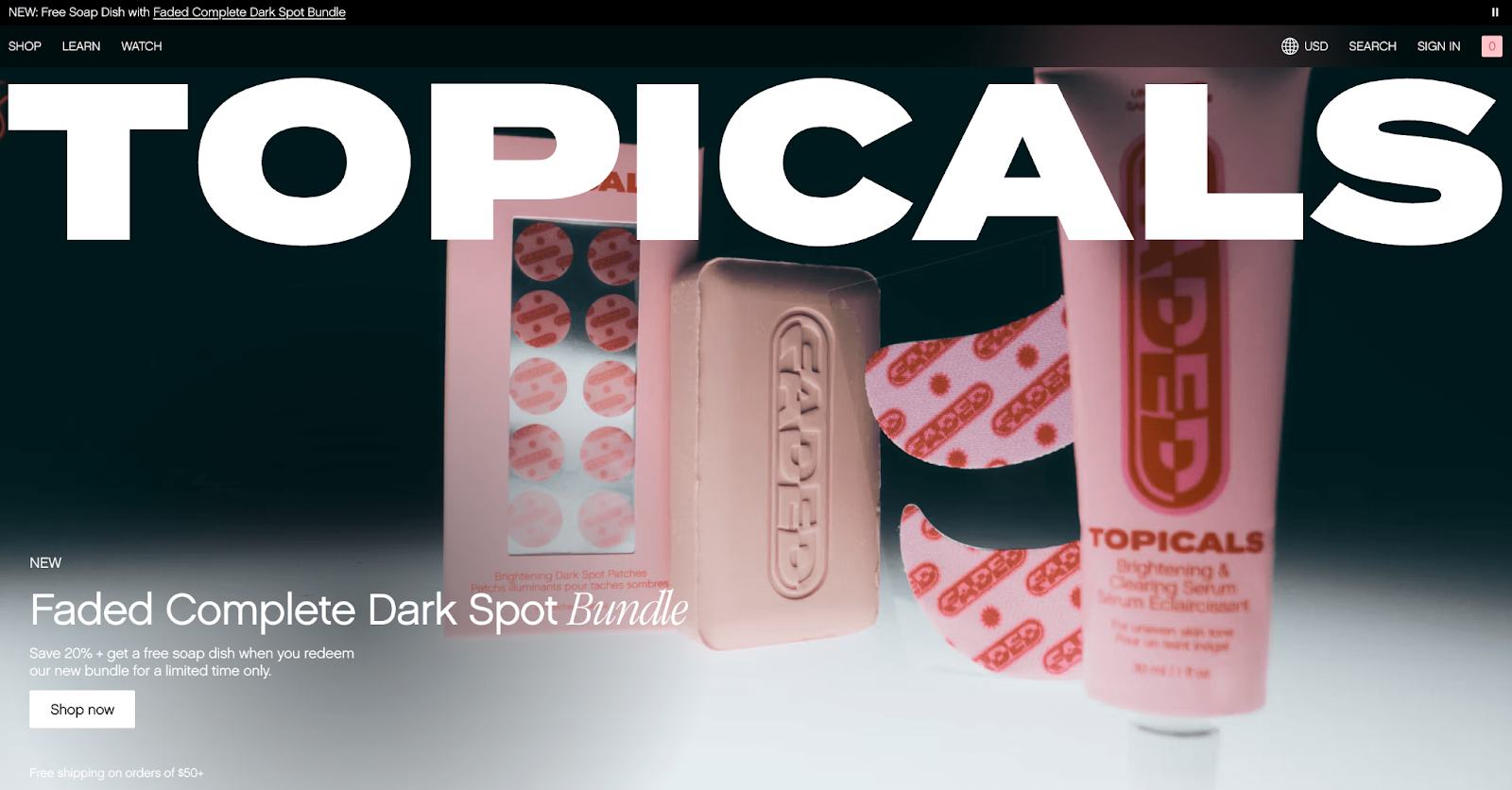
📌 Niche: Skincare for flareups
📱 Platform(s): TikTok
Topicals’ influencer strategy is skewed toward small-scale TikTok creators Of the near-8,000 sponsored posts for Topicals we analyzed over a 12-month period, 45% featured influencers averaging <1,000 views per post – suggesting the brand prioritizes authenticity and niche relevance over audience size.
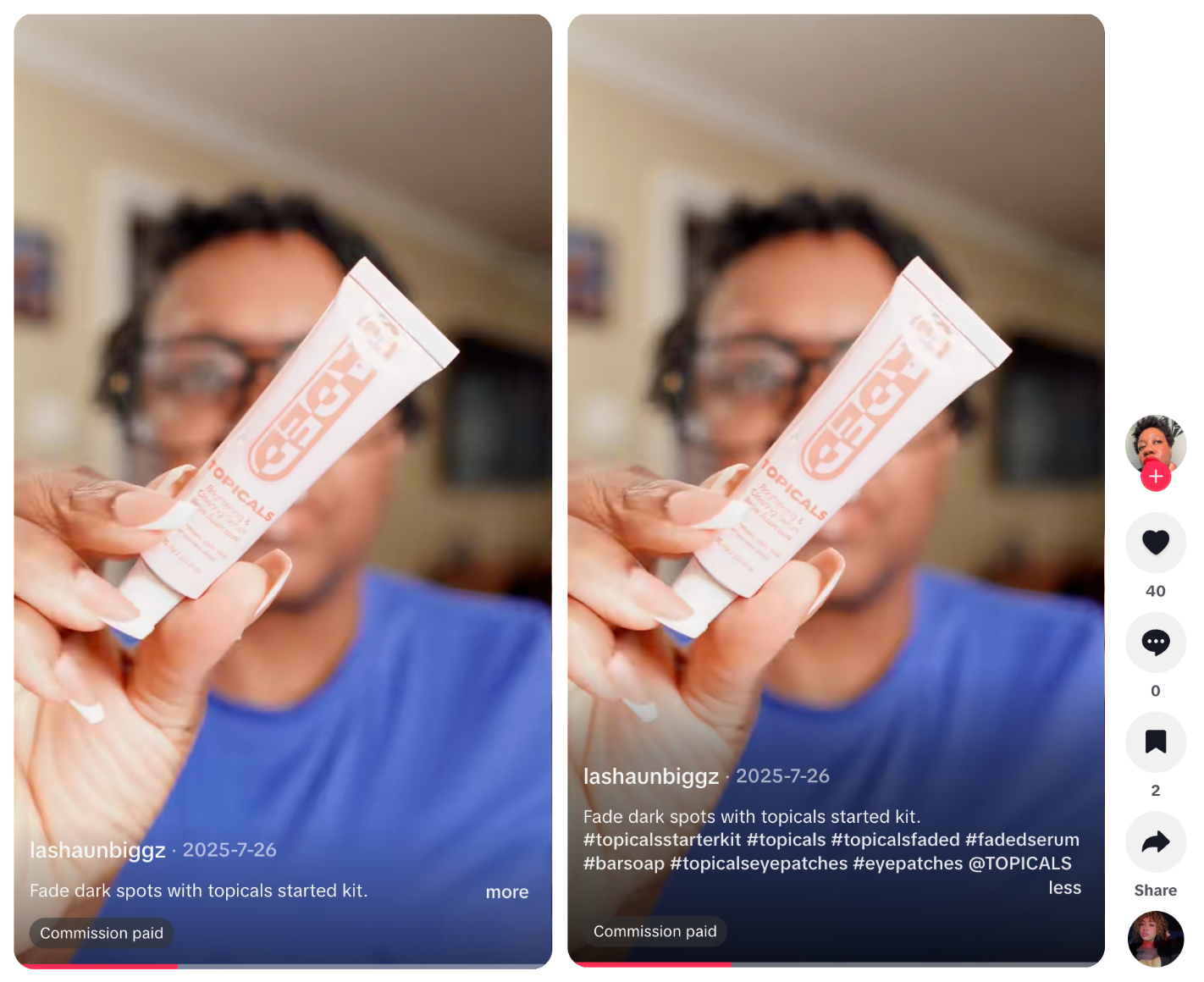
Their influencer content often speaks to customer pain points, such as this post about how Topicals can reduce the appearance of dark spots…
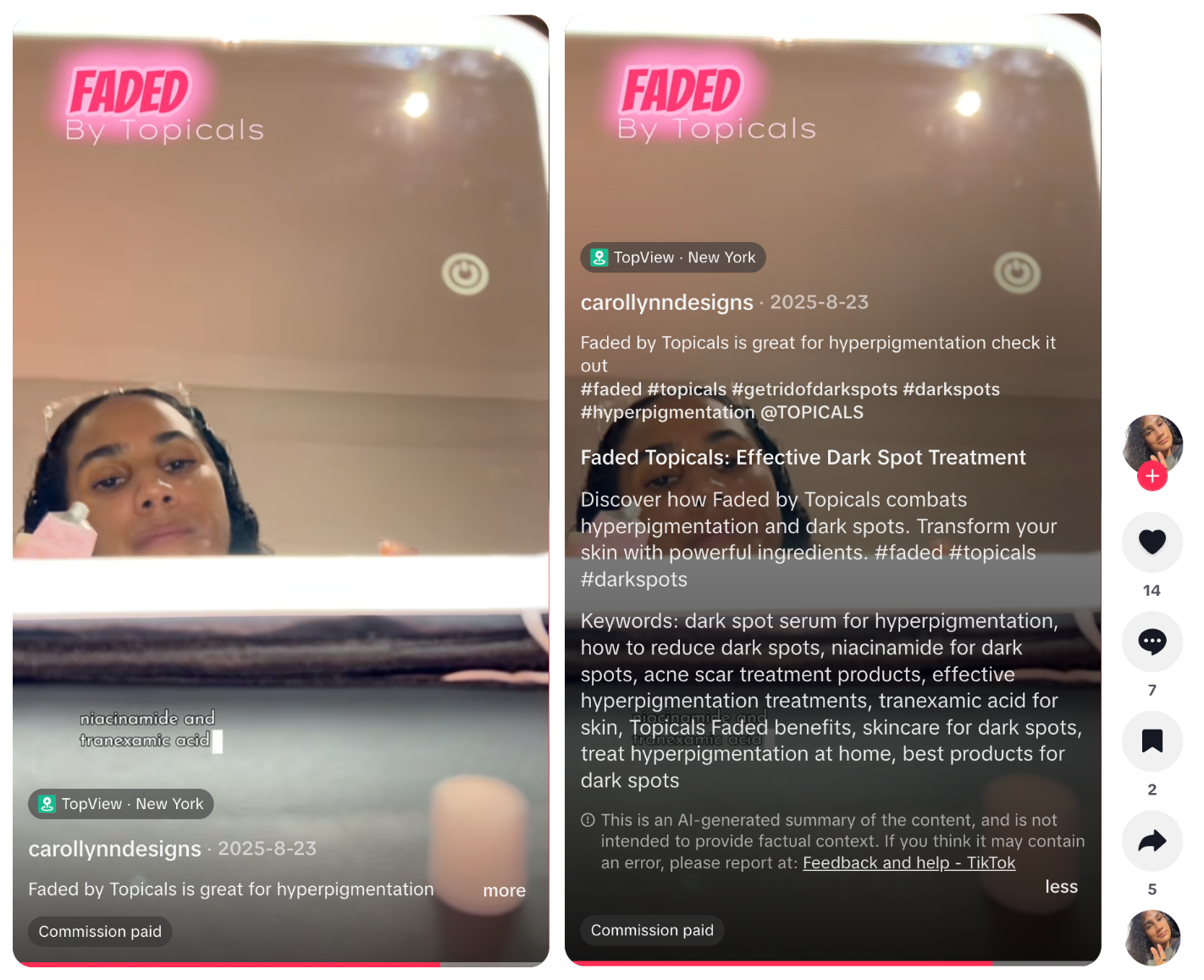
…and this one that describes Topicals as “great for hyperpigmentation”:
However, not all their activity is so product-centric. For instance, check out this post from TikToker Ruby Jade, who tells a two-minute story about introducing her partner to her Haitian parents:
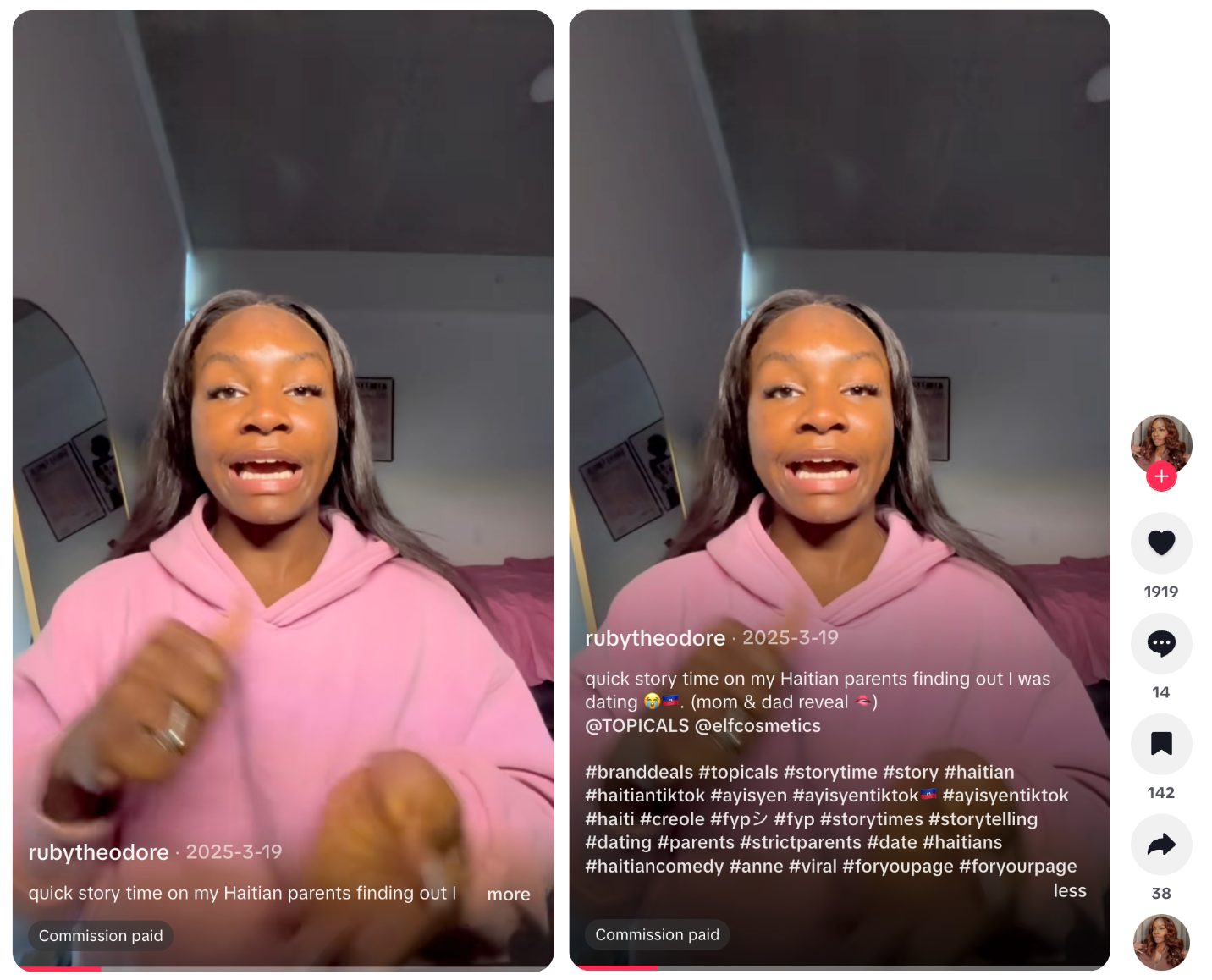
Other than a brief mention in the opening 20 seconds, Topicals doesn’t appear in the narrative at all – but Ruby uses their products throughout. This makes the content feel more like a conversation between friends than an aggressive sales pitch.
👉 Read more: Topicals' Influencer Marketing Strategy (2026 Data & Insights)
📌 Niche: Linen womenswear
📱 Platform(s): Instagram, TikTok, YouTube
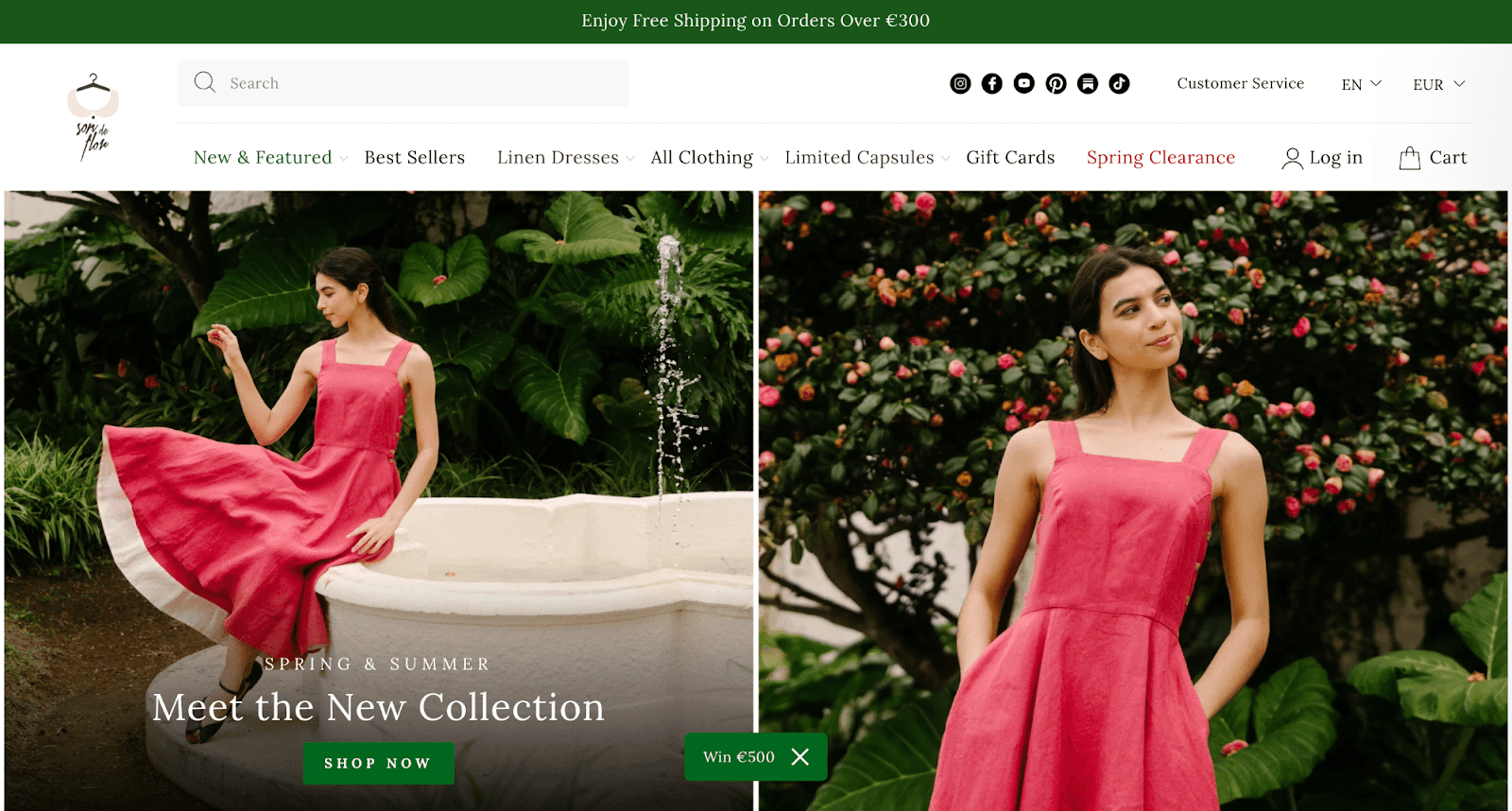
Son de Flor collaborates with influencers across each of the “big three” platforms, albeit with a strong bias toward Instagram. We analyzed ~1,100 pieces of sponsored content for the brand over the past 12 months and saw the following breakdown:
Whereas most brands that invest in Instagram influencer marketing prioritize Reels and Stories, over half of Son de Flor’s sponsored content on the platform is made up of regular in-feed posts. For example, check out this carousel from vintage fashion creator Anastasiia Hryhoruk:
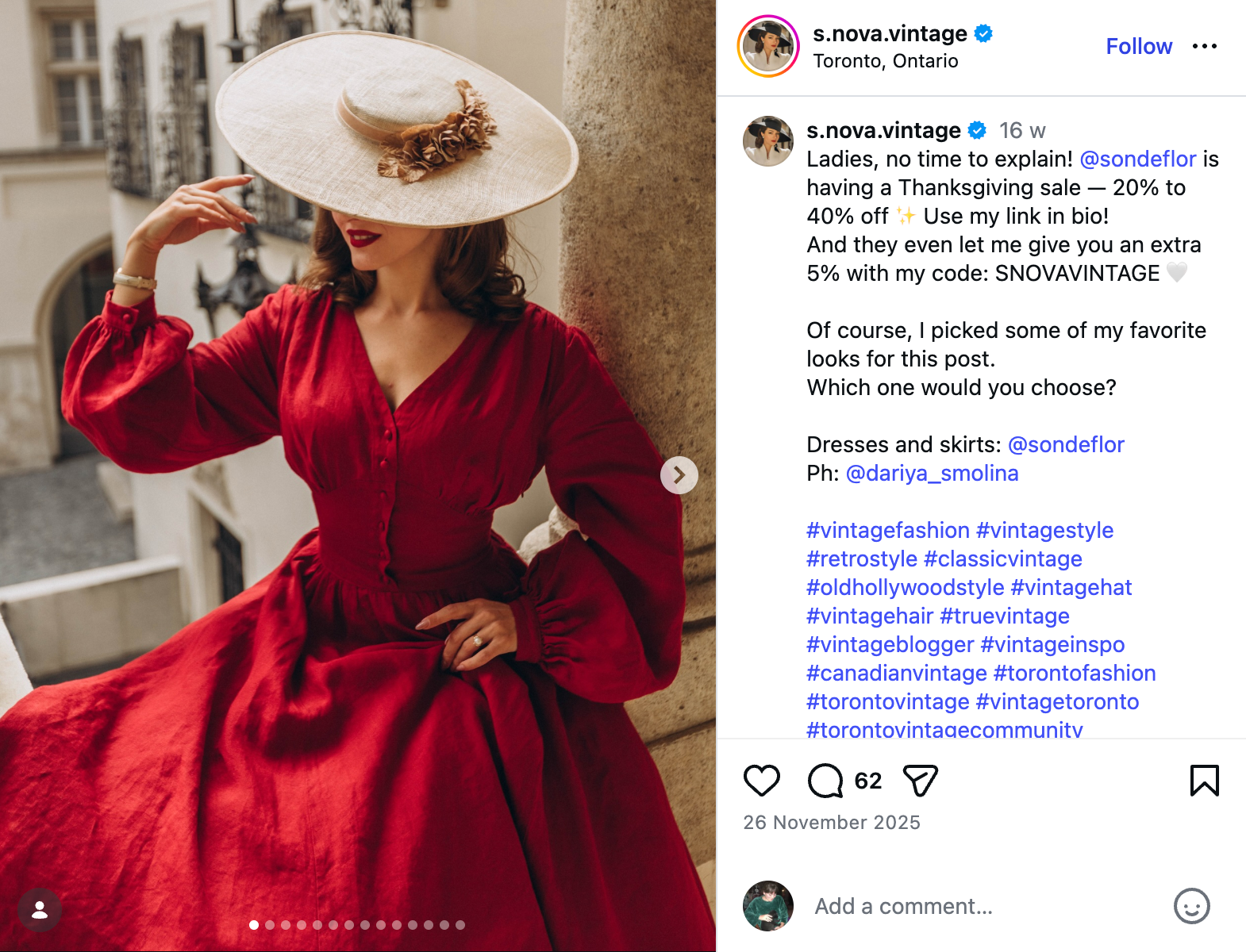
This focus on high-quality static imagery helps to showcase the brand’s products with none of the distractions (or low production quality) that you often get from influencer video posts.
👉 Read more: Son de Flor's Influencer Marketing Strategy (2026 Data & Insights)
📌 Niche: Affordable tarnish-proof jewelry
📱 Platform(s): Instagram, TikTok, YouTube
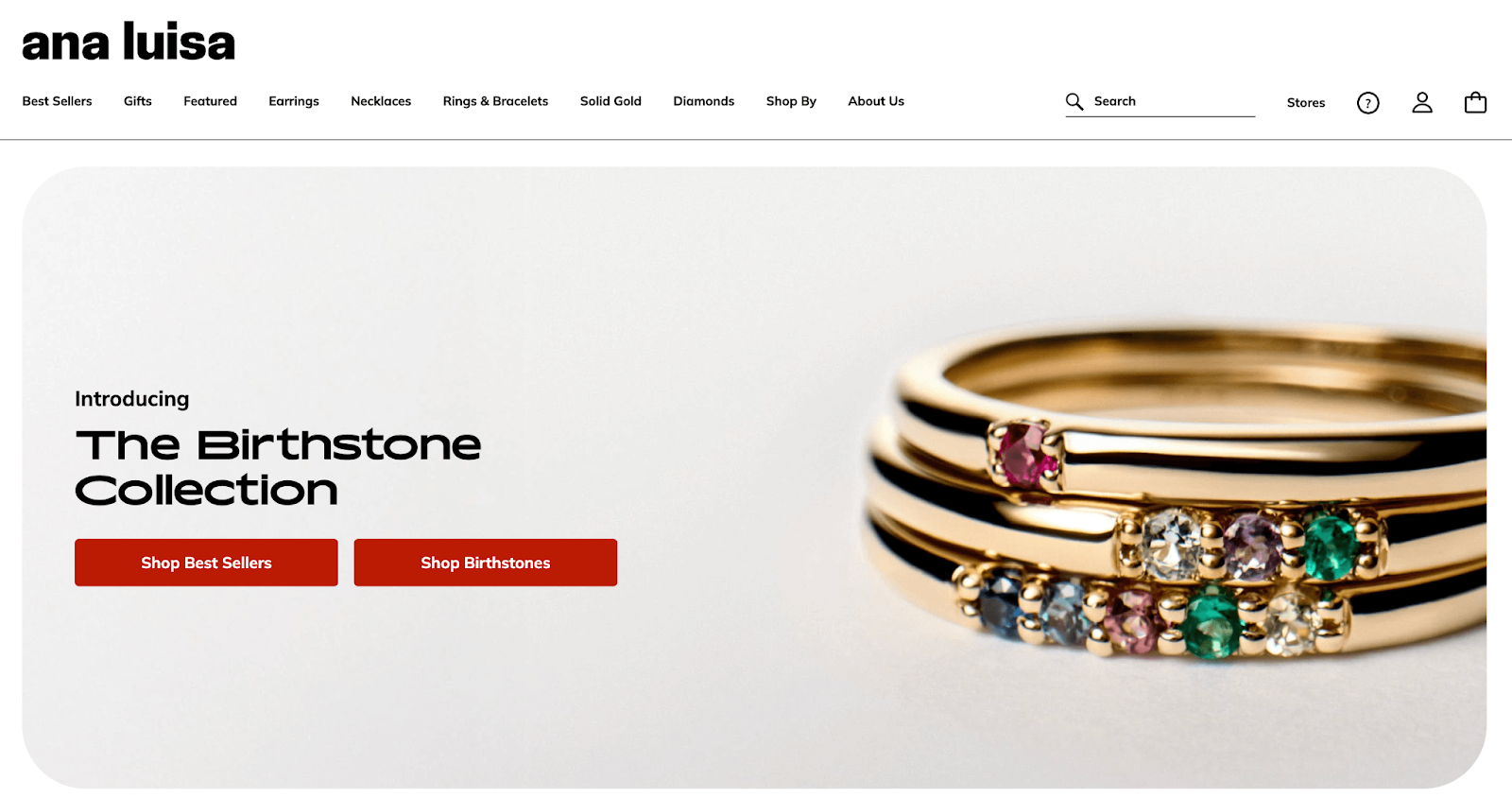
Most Shopify jewelry stores running influencer campaigns are all about Reels and TikToks. Not Ana Luisa, though – over four-fifths of their collabs are on YouTube.
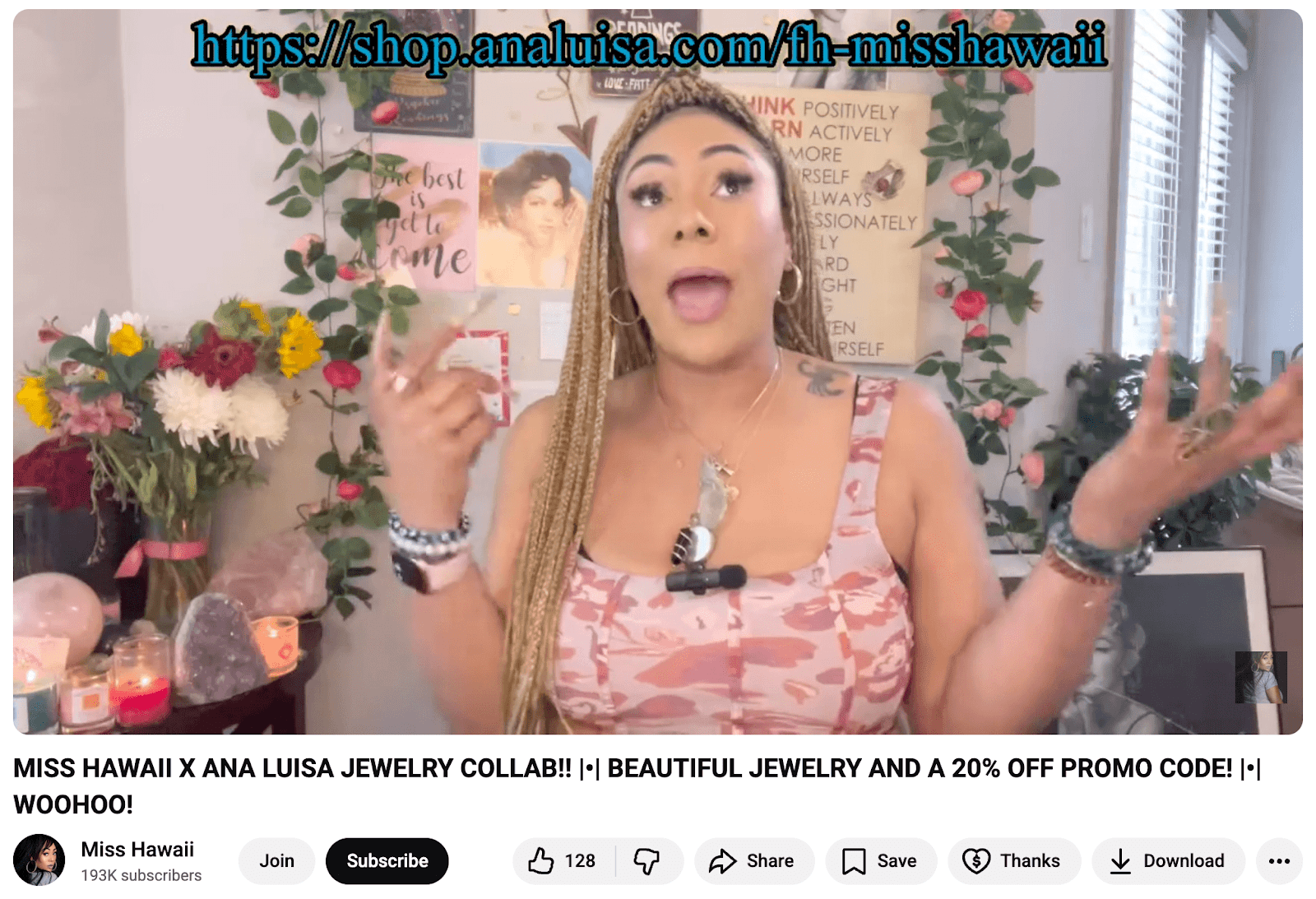
As well as investing heavily in the video streaming platform, Ana Luisa is a big believer in the power of long-term influencer relationships. Of 1,000 unique Ana Luisa influencers in our dataset, 13% posted content for the brand in three or more separate calendar months, while a single YouTuber – @MissHawaiiTarot – accounts for 5% of all Ana Luisa’s tracked sponsored content over the past 12 months.
Let’s take a look at a dedicated YouTube video from Miss Hawaii announcing her partnerships with the brand:
And see how she gets more eyes on this heavily promotional video by linking to it from the description section of her other non-salesy content:
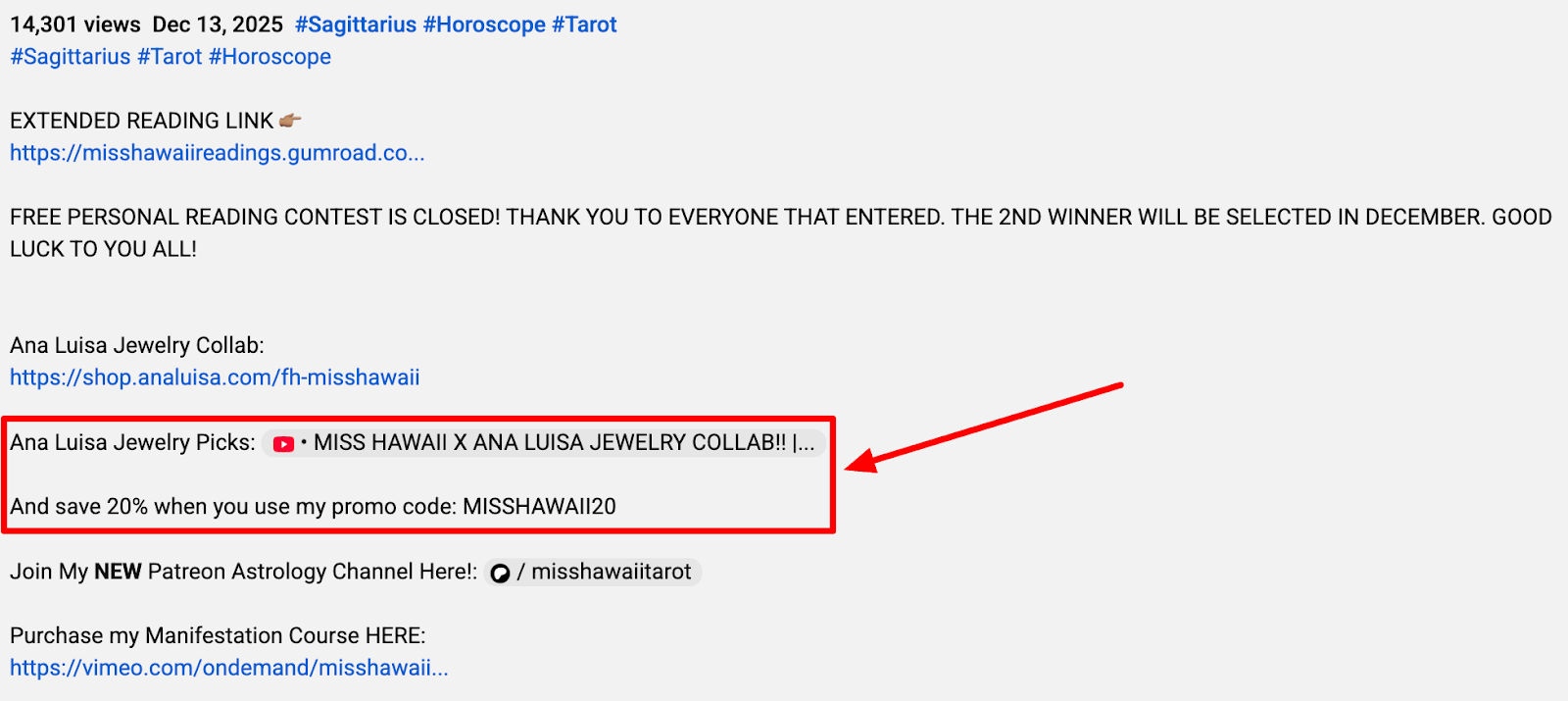
Also, notice the promo code, designed to drive sales while also helping Ana Luisa with campaign tracking.
👉 Read more: Ana Luisa's Influencer Marketing Strategy (2026 Data & Insights)
As you can see, Shopify stores face a bunch of hurdles when it comes to running a high-performing influencer program. Modash helps you overcome them. With Modash, you can…
…and much more besides.
See for yourself when you try Modash for free – no credit card required 😎
Yes! Influencer marketing can help smaller Shopify stores to boost brand awareness and drive immediate sales. Lots of smaller stores get started with influencer marketing by running gifting campaigns and running performance-related partnerships – that way, they reduce the risk of failure by minimizing upfront investment.
To automate influencer outreach, you need a dedicated app or tool. Chrome extensions like GMass and Right Inbox are an affordable way to create automated sequences via your existing Gmail inbox. But for best results, choose a dedicated influencer outreach platform like Modash and create personalized outreach sequences at scale.
The biggest influencer marketing mistake Shopify brands make is to try and cut costs by doing everything themselves. Simply put, you can’t scale an influencer program while manually searching for influencers, handling influencer product orders, and tracking sales. The time and effort you put in will outweigh any results you generate.
It’s possible to manage gifting campaigns manually: capture influencer addresses, ask which product(s) they want you to gift, then place the order yourself. However, it’s a lot of work, so if you’re collaborating with ~10 or more influencers it makes more sense to automate gifting using a platform like Modash, which handles all the fiddly stuff for you (like taking orders, sharing links, and tracking orders and content).