


More tools
Use cases



90 percent* of YouTube influencer marketing guides out there are unhelpful. You can replace “YouTube” with Instagram and TikTok; those generic tips still fit.
But if you’re reading a guide about YouTube influencer marketing, you want to know how YouTube works and how this platform is different from the rest (and it is!). You want to get down and dirty with the nuances and specifics like:
The best way to learn all of this? Learn from the experiences of people who’ve done it a thousand times. So here’s a no-fluff, ultra-specific guide on
YouTube influencer marketing – where the advice is straight from the pros.
*number for demonstration purposes only 😬
How does YouTube compare to other social media platforms? Here are some pros and cons of influencer marketing on YouTube:
The above pros and cons don’t apply to YouTube Shorts. Why? Because Shorts is still in its budding stage as a content type. Brands are using it as an add-on or part of a bundle, not a standalone deliverable.
Long-form YouTube videos also allow you to be much more direct with your sponsorship than Shorts. YouTube Shorts are similar to TikTok videos and Instagram Reels – where the purpose is brand awareness, and hard selling rarely gets good results.
Before we begin discussing how to price, negotiate, and prepare briefs for YouTube deliverables, it’s important to understand the various types of collaborations you can have on the platform. I’ll explain them here with examples:

A dedicated video is precisely what it sounds like: it’s any type of YouTube video solely for advertising your brand. This includes:
For example, Gena Marie’s video about the best Curlsmith products for travel is an excellent example of a dedicated video. She highlights only Curlsmith products and advises how to use them.
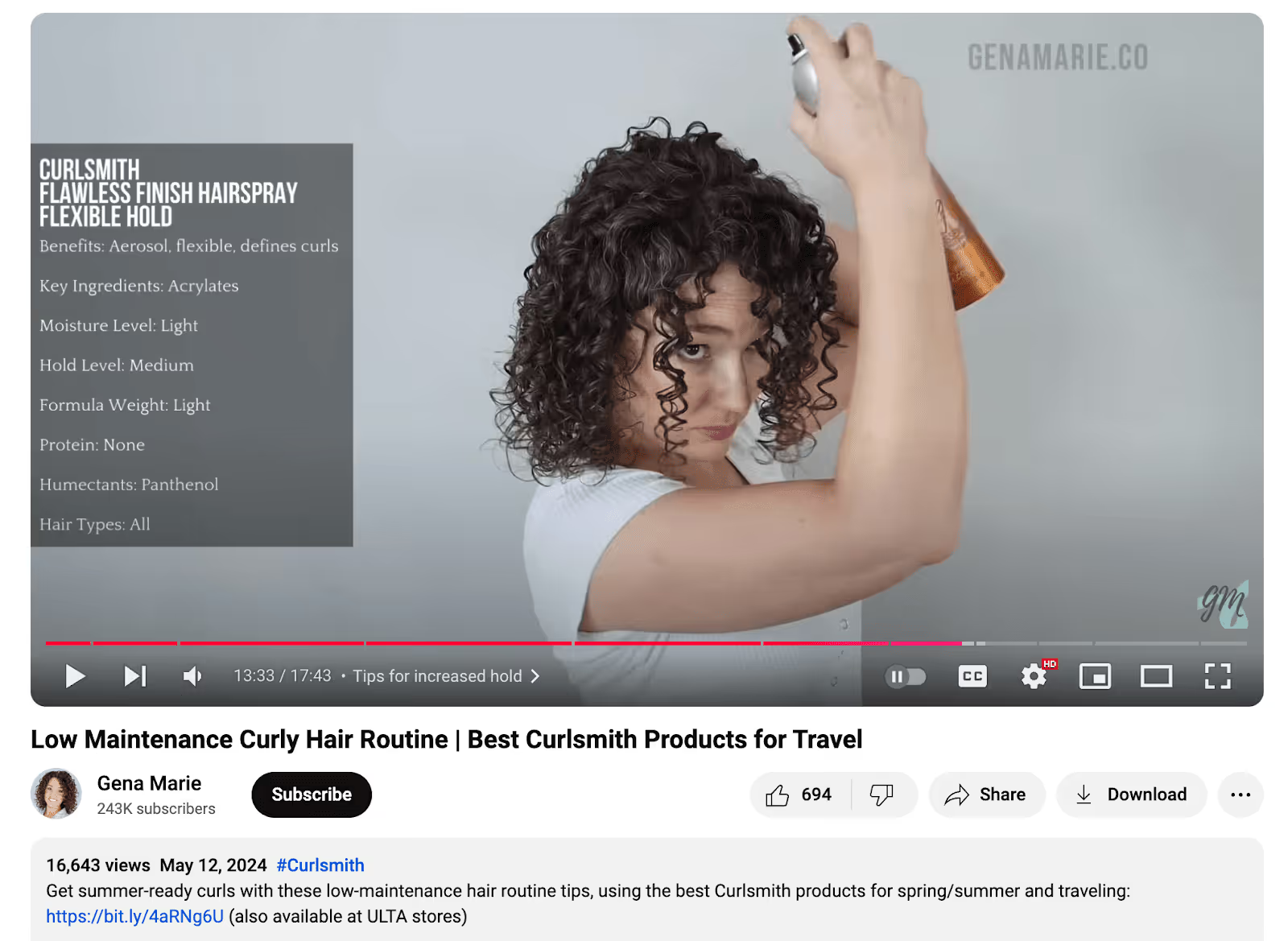
The benefits are clear: you get the whole video to yourself, instead of just a slice. You can tailor everything to suit your goals – including location, script, storyboard, etc. The target audience of these videos might’ve already heard about you and are searching for more information before purchasing.
The cons: these videos are expensive because it’s a dedicated spot on a creator’s YouTube channel (and requires extensive product usage & knowledge). The view numbers on dedicated videos are also lower. These videos can feel overly promotional if not executed right. Lastly, dedicated videos are trickier, too, because they must fit within a creator’s overall native content. You won’t find a spot for a dedicated video on every creator’s YouTube channel.
Suhit Amin, Founder & CEO of Saulderson Media, says the low viewership might still be worth the money because the watchers of these videos are more likely to convert:
Dedicated videos create a much deeper connection with the product. Whilst viewership may be lower, often the click-through rate is higher on dedicated videos. The views are also of more quality, high intent buyers.

Integrations are the most common type of influencer collab on YouTube: a creator plants your product in an already-planned video. These integrated ad spots usually last anywhere between 30-90 seconds. These videos can have various creative concepts, depending on your industry and the creator’s niche, like:
Now, integrations in YouTube can come in various shapes and forms, as Marit Tiesema, Sr. KOL & Ambassador Specialist at Loop Earplugs, highlights:


Integrations can be further divided based on where they are placed in the video.
The biggest benefit of integrations (over dedicated videos) is they’re more cost-effective. If you’re doing a seamless integration collab, the transition to mentioning your product can also seem much more authentic.
But the con is the overall topic can be disjointed from your brand style and goals (especially in spot-based integrations). You don’t have control over the video’s overall look and feel; you only control your ad segment. So, a creator can follow your brief to a T and then mention other brands and products, too.
Here’s a quick comparison chart of the pros and cons of dedicated video vs. integrations on YouTube:

YouTube Shorts are short-form videos (up to three minutes long). They are YouTube’s version of TikTok videos and Instagram Reels.
An example: Brandon Balfour partnered with Tooletries to promote four of their products via YouTube Shorts.

YouTube Shorts are a great addition when you’re already partnering with a creator on other short-form video formats (like Instagram Reels or TikTok) since they’re so easy to repurpose.
They can also be excellent add-ons to your YouTube-specific campaign: a creator can take parts of their dedicated or integrated video for you and post it in Shorts for an additional push. Influencer marketing consultant, Julianne Kiider, agrees:
Shorts can oftentimes be a good addition to a contract with an influencer you’re booking other short-form content with (i.e., a TikTok video), as you can repurpose it on Shorts. They can also be an add-on to a long-form integration because the influencer can use the same footage they are already filming for the longer video, just edit/cut uniquely for Shorts.

Can you partner with a creator solely on YouTube Shorts? You can, but it’s a rarity (for now). It’s harder to track click-through rates with Shorts, so it’s tricky to measure impact, especially for conversion-focused campaigns. Each viewer is also worth less since YouTube Shorts are for mindless scrolling, not deep engagement.
That said, Shorts are great for brand awareness and if you make it a combo deal (either with a TikTok/Instagram Reel or a long-form video), you get the most bang for your buck. Marit offers the same advice:
Shorts work best as part of a cross-channel package, combining platforms like TikTok, Shorts, and Stories for broader reach. This approach minimises production costs and allows for a negotiated package deal.

Live streaming is when a YouTube creator starts a broadcast with their audience in real time. These videos have no time limit, and they are extremely popular in specific niches like tech, gaming, and sports.
Take the collaboration between The Redmen TV and Dr. Emrah Cinik on a football watchalong and commentary.

The benefits of live stream mentions is the real-time engagement: watchers can ask any questions they have on chat and the creator (or you!) can answer them. This can build an interactive dialogue and foster trust immediately.
Live stream mentions can also be more financially lucrative since they require minimal production costs from the creator’s side. Lastly, speaking off the cuff appears much more authentic than speaking from a script mid-video.
But there are downsides, too: livestreams have a lower audience retention rate because of the length of the video – so if your product isn’t mentioned early in the stream, you can miss reaching a big chunk of your target audience entirely. You also have less control over how an influencer speaks about you since it’s real-time and how they answer any product/brand related questions.
YouTube has various formats that can’t be standalone deliverables but are great add-ons to existing campaigns. You can negotiate to add these things to your campaigns for free or at a minimal cost.
a) Community posts
All YouTuber creators have a community page to share updates, run polls, and promote their existing videos. These pages don’t have high engagement rates, but a creator’s most dedicated fans will often seek them out – thus, they're great as a bundled package.
For example, Cara Nicole reiterated her sponsor’s (Thrive Market) info a month or so later when it was more timely (people are grocery shopping on the weekend).

It’s a great idea to spread out these add-ons so more people get exposed to you a second time.
b) Product links within the description
It’s always a good idea to negotiate your product’s mention right up top in a YouTube video’s description (above the ‘Show More’ fold) to get more conversions and have an accessible call-to-action link. Here’s an example of Cara Nicole’s partnership with Bombas:

c) Pinned comments
I don’t know about you, but I read the comments on every piece of content I watch – whether that’s a YouTube video or a LinkedIn post. They often contain interesting insights on the topic and give an opportunity to extend the conversation. As Julianne explains:
“Highly engaged viewers often read the comments of a video and/or want to add to the conversation, so having the Pinned Comment with CTA and link gives the advertiser a higher chance of click through.”
For example, Makari Espe partnered with Saily and left a pinned comment to encourage her audience to use the product and her code.

You can link to your website or the YouTube creator’s dedicated landing page (if you’ve made one) and reiterate the message in this pinned comment. But ask the creator to keep it succinct so the viewers actually read it and don’t just skim away.
Now that you know the various types of YouTube deliverables, the next question is: how much does each deliverable cost?
Shockingly to no one, it depends on a lot of things (more on that later), but here are some ballpark figures.
Note: these numbers are mostly what we’re seeing in the United States. Location is a huge factor in dictating price (along with niche, type of placement, etc.), so your ballpark figure might be outside this chart.
YouTube pricing depends on various factors:

Apart from these factors, Marit also advises considering three additional factors internally to decide how much to pay a YouTube influencer:
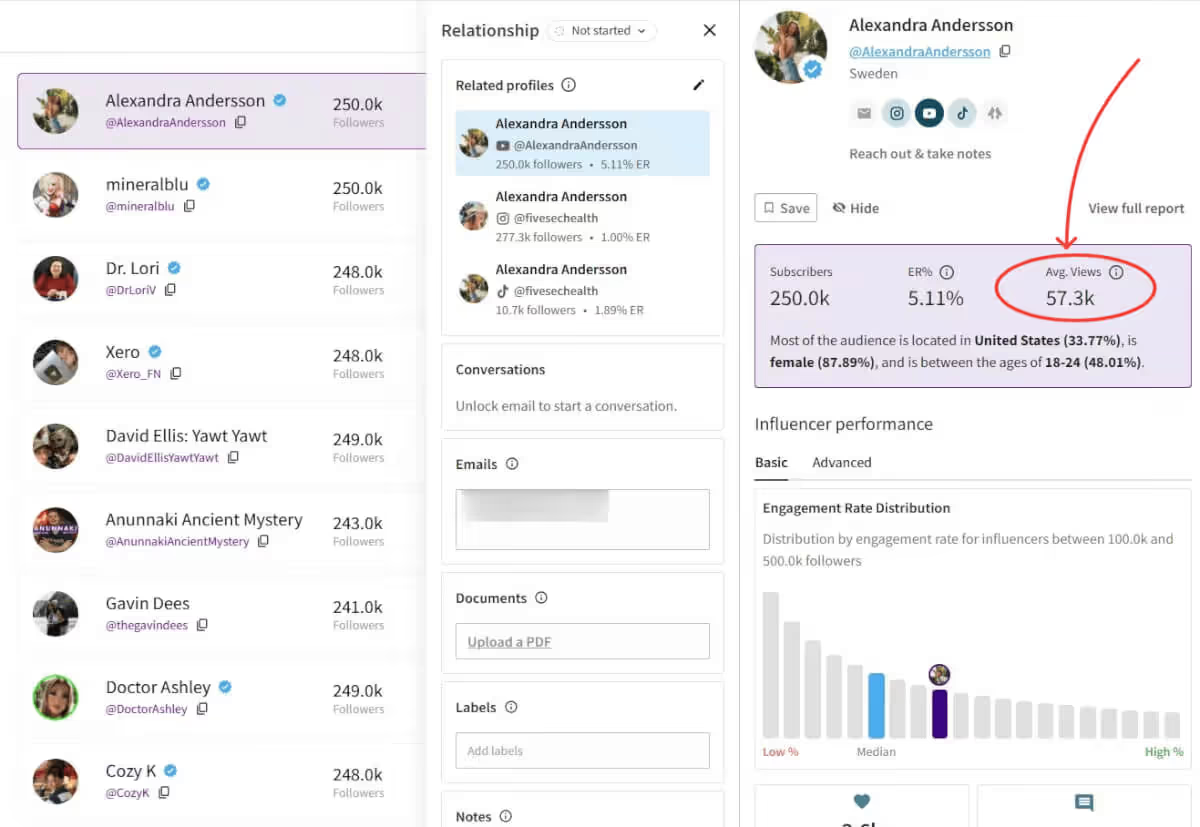
Always request video retention, following growth over time, and returning vs. new viewers (1 & 3 months). These should give you a good insight into who will watch your content and whether that aligns with your objectives.
Luckily, you can find nearly all this data on Modash without bombarding influencers to share a ton of their performance metrics.
👉 Start your free trial today. We don’t even need your credit card info (until you want to share willingly 😉)
If an influencer’s price is out of your budget, propose post-roll integrations and a shorter duration of your ad placement. Yes, post-roll ads may have less audience retention, but these are the most engaged people, too. As Julianne explains:
Brands with smaller budgets can benefit by purchasing post-roll ads because they’ll be seen by the most engaged viewers & they're cheaper.
Go into the money conversation prepared. Marit’s suggestions:
Having these secondary negotiation points in your back pocket creates more flexibility in collaborating with a YouTube creator, even if you have to pay slightly more than you’ve accounted for.
Offer paying the influencer a flat fee and an affiliate commission to regulate their overall price. This is a win-win because it costs less for you, is less risky, and increases a creator’s skin in the game to drive more conversions.
👉 Looking for more negotiation tactics? Read our in-depth guide on YouTube influencer pricing.
Your influencer briefs will change depending on the type of deliverable you’ve requested, your product, and your history of influencer relationships & collabs:
In dedicated videos, it’s also advisable to add keyword opportunities. YouTube is a search engine as much as it is a social media platform. Imbibing some SEO best practices in your brief can go a long way. Julianne agrees:
Work with your SEO team and the influencer to identify ideal keywords to use in the title and description of the video.
Let’s go over everything you need to include in briefs for dedicated sponsored YouTube videos:
It’s also advisable to spend some time running through the brief together in dedicated videos because they take a lot of time to plan, shoot, and edit. Any misunderstandings or missing info here costs a lot of time. For the same reason, also ask for a concept for approval in dedicated videos – especially if you’re partnering for the first time and/or you sell a complex product. Marit explains the benefits of doing this:
A strong concept review increases the chances of first-round approval and ensures your campaign goals are met.
Now, let’s go over what you need to include in your briefs for YouTube integrations:
In summary, YouTube briefs share some common aspects regardless of deliverable type, as well as key differences.

What about briefing YouTube Shorts? For now, Shorts are either reposts from Instagram Reels/TikTok or a chunk of the long-form video you’ve already collaborated on.
The briefs for these typically need:
a) the difference you want between a Reel/TikTok
b) video segments you want to showcase from the long-form video
👉 Dive deeper into this topic by reading our guide on creating influencer briefs for YouTube.
YouTube is allowing creators to initiate video linking requests with brands. Using this feature, creators can share organic video performance data through Google Ads with you and establish usage rights.

Cut a long-form YouTube video into bite-sized clips that you can reuse on short-form video platforms like Instagram and TikTok. For example, Ruggable reshared one of their Instagram posts by creator Winona Wyborn on their YouTube Shorts.

YouTube videos are a great addition to your website, blogs, and other marketing assets. For example, if a YouTube creator has shared an in-depth product guide on their channel, you can embed that video into your website as a product walkthrough. You can also add videos to your newsletter, articles, and testimonials.
Dove is the best example of how to do this: they embed their creators’ videos everywhere – from product pages to blogs.

If influencer marketing were a game, YouTube would be a whole different league. Because of its SEO capabilities and longer shelf life, influencer collaborations on YouTube have to be approached differently than Instagram or TikTok. Here’s a quick step-by-step guide:
Next up: learn from real brands who’ve aced YouTube influencer marketing. Here are some YouTube influencer marketing examples to inspire your next campaign.